Creative Solutions Store
Tools to Learn, Grow, and Navigate Everyday Work & Life
Digital products, worksheets, courses, and practical media created to support professionals and individuals with neurodivergent experiences, executive function strain, and real-world work challenges.
Whether you’re building skills, strengthening systems, or supporting others, these resources are designed to help you move forward with clarity and confidence.
For CliniciansPractical tools for clinical work
For IndividualsSkills, clarity, and support
For OrganizationsTraining + infrastructure resources
Looking for services instead of products? Request a consultation.
Digital Resources
Digital Resources
Filters
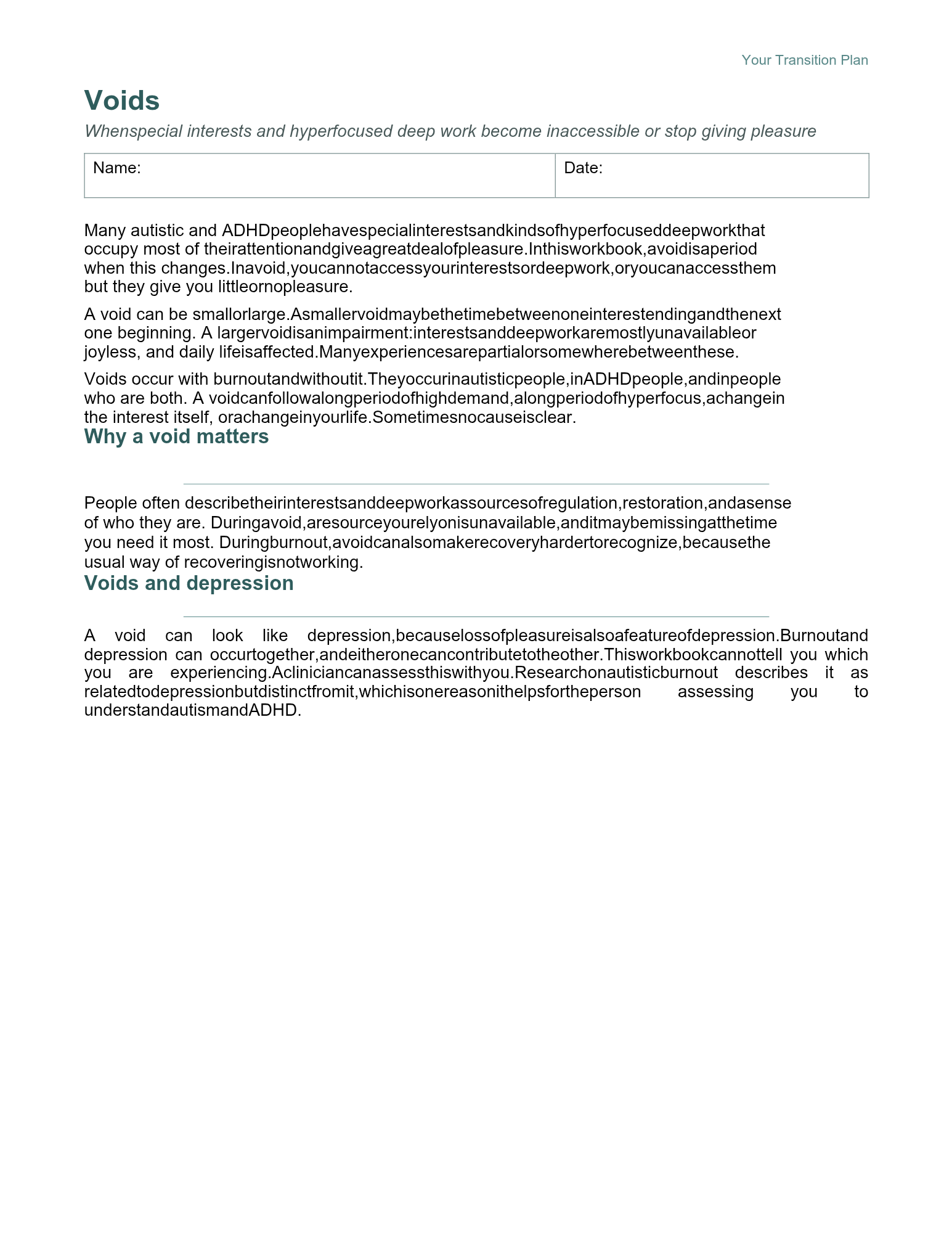
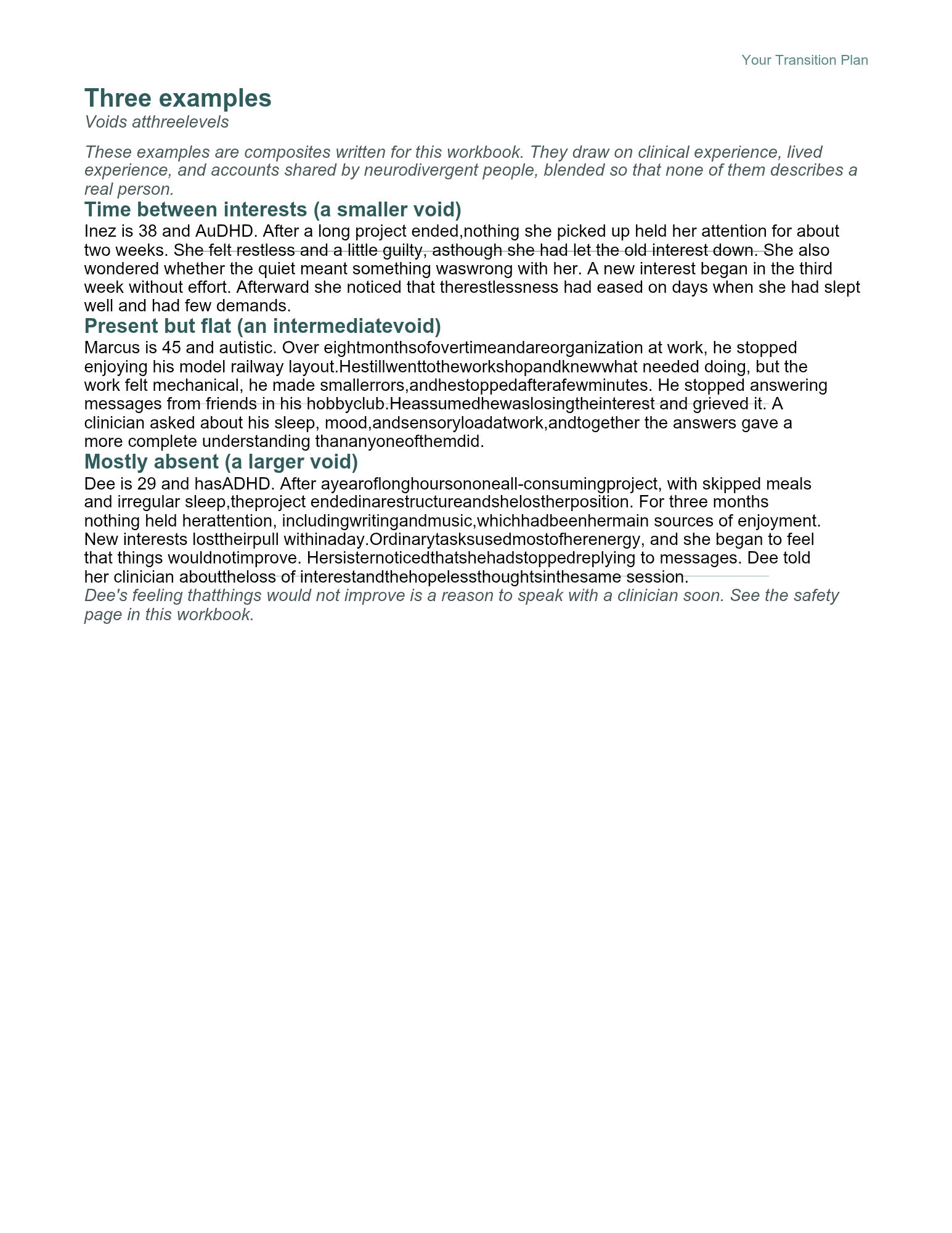
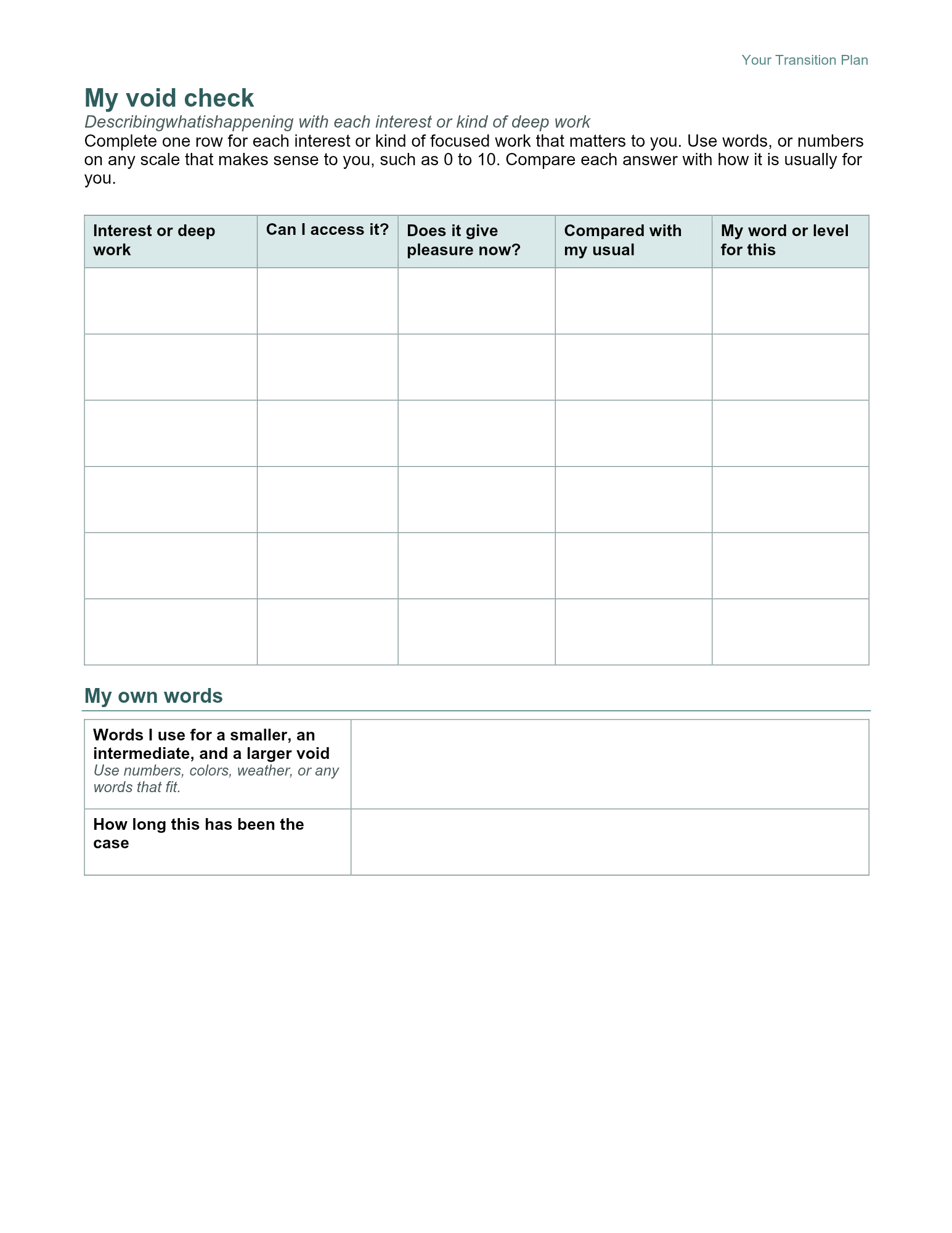
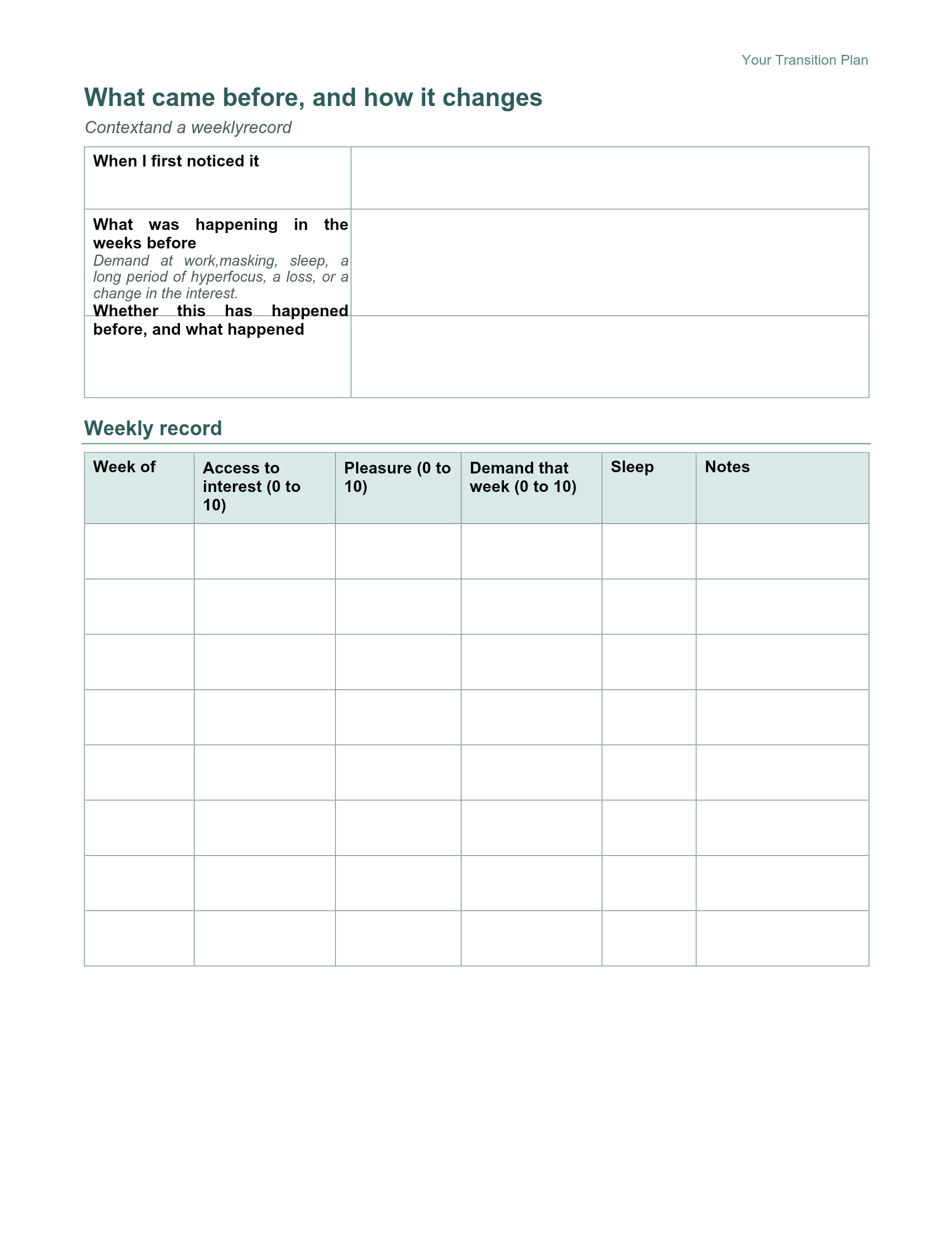
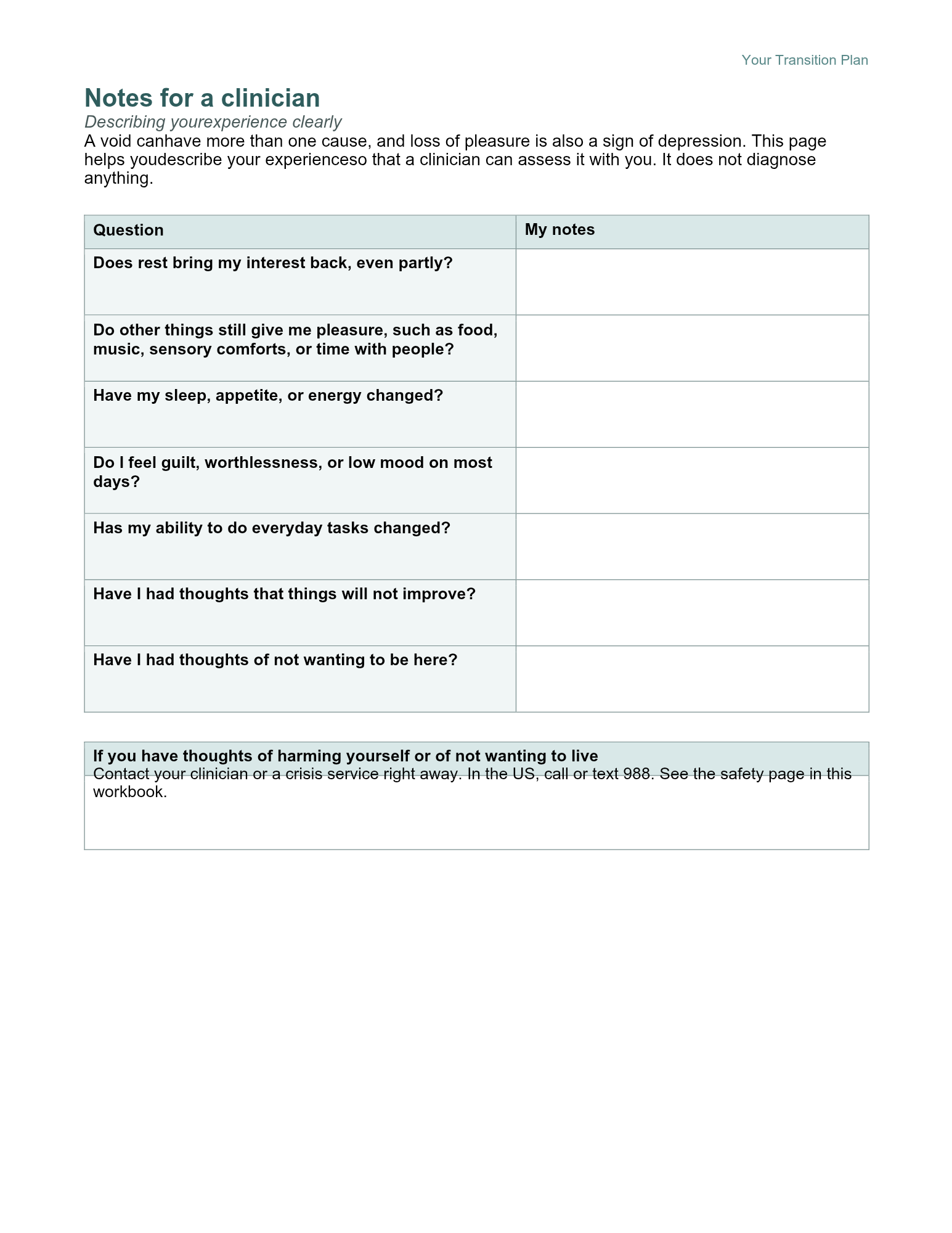
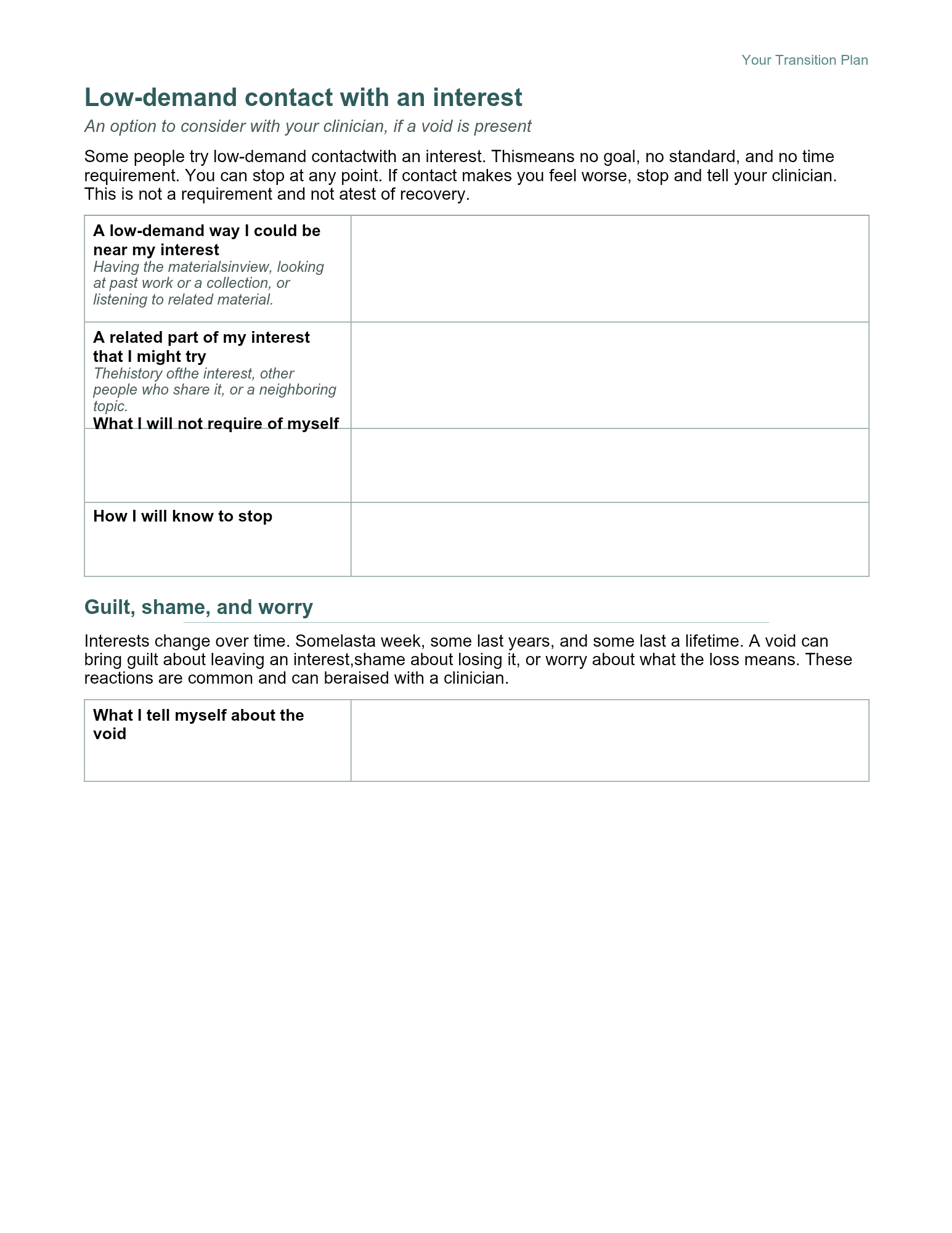
Voids Workbook
$0.00
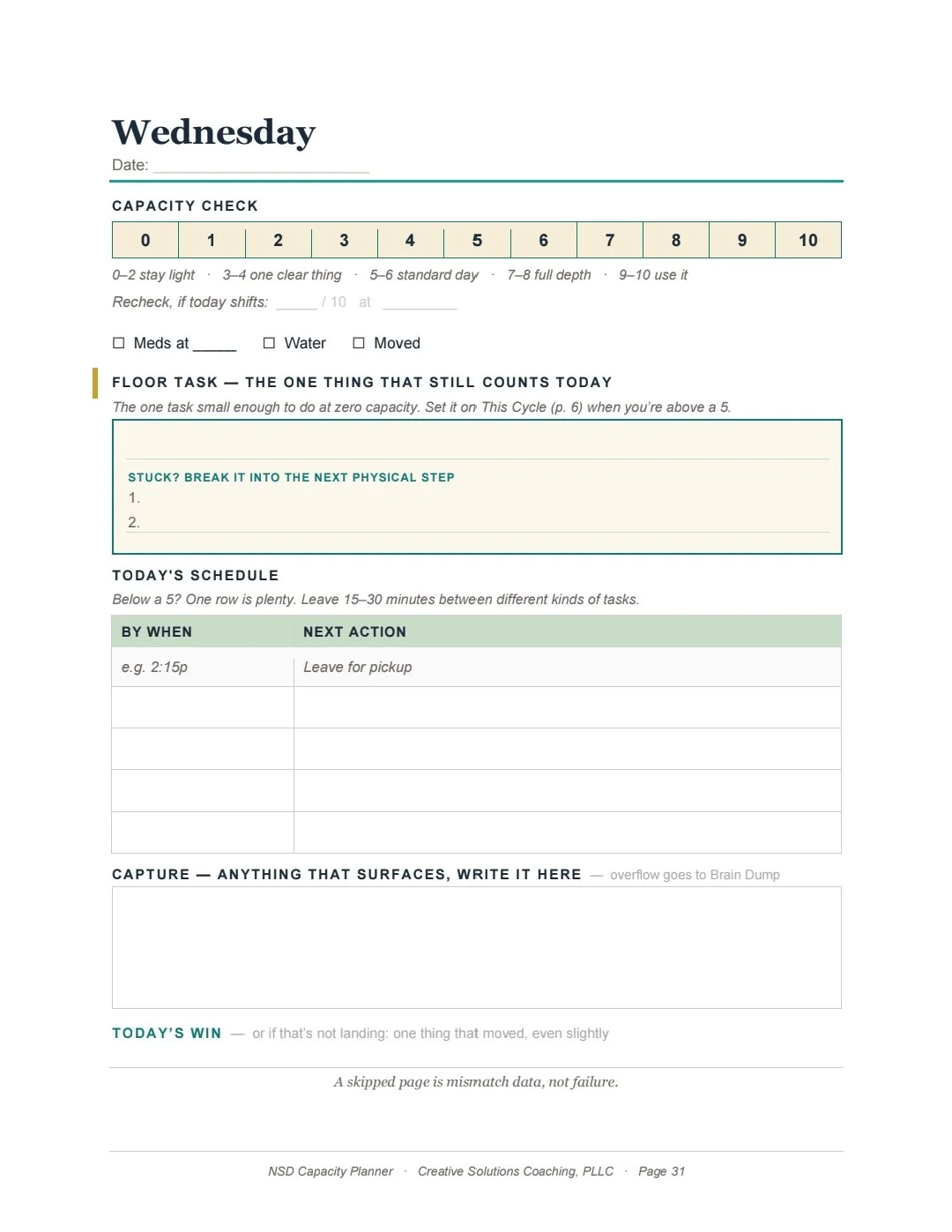
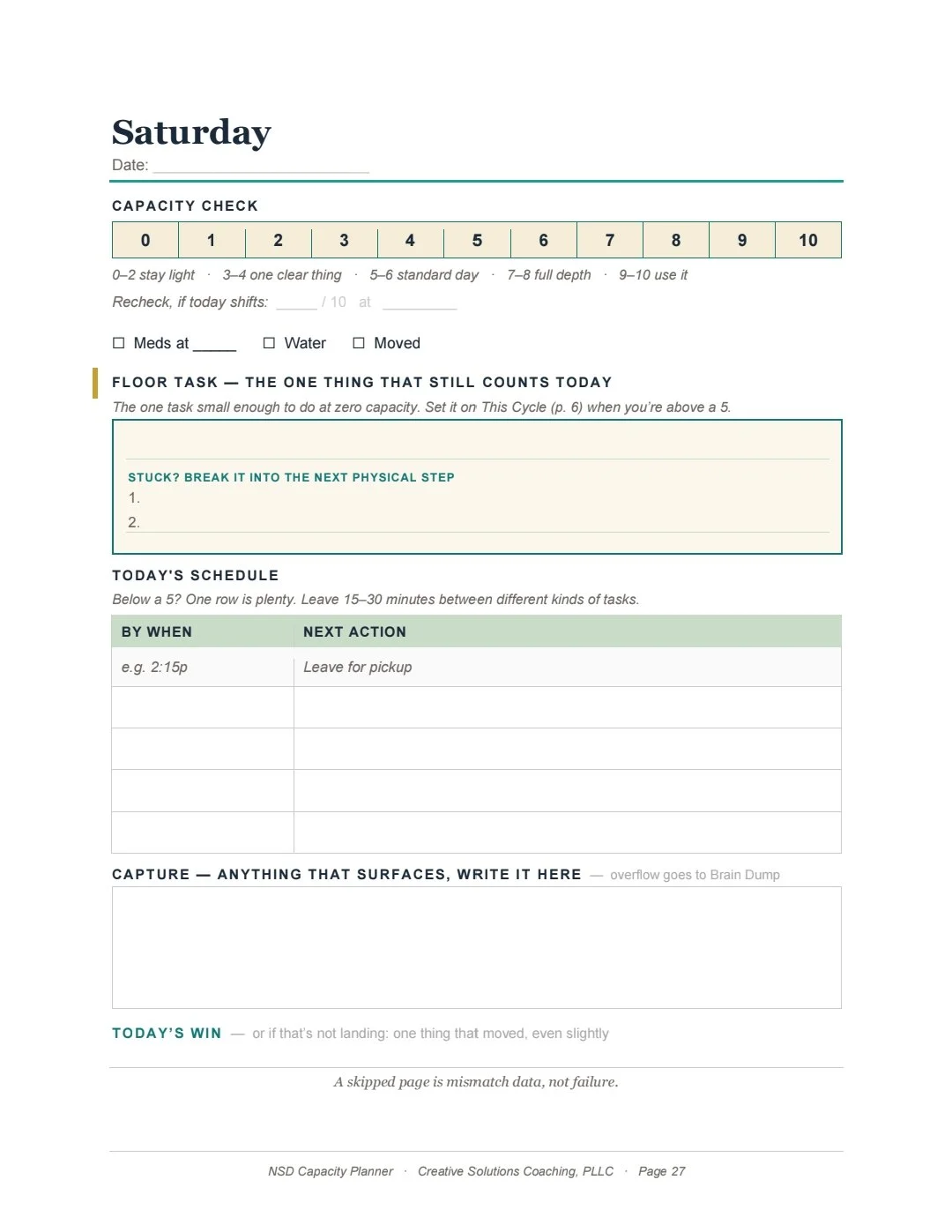
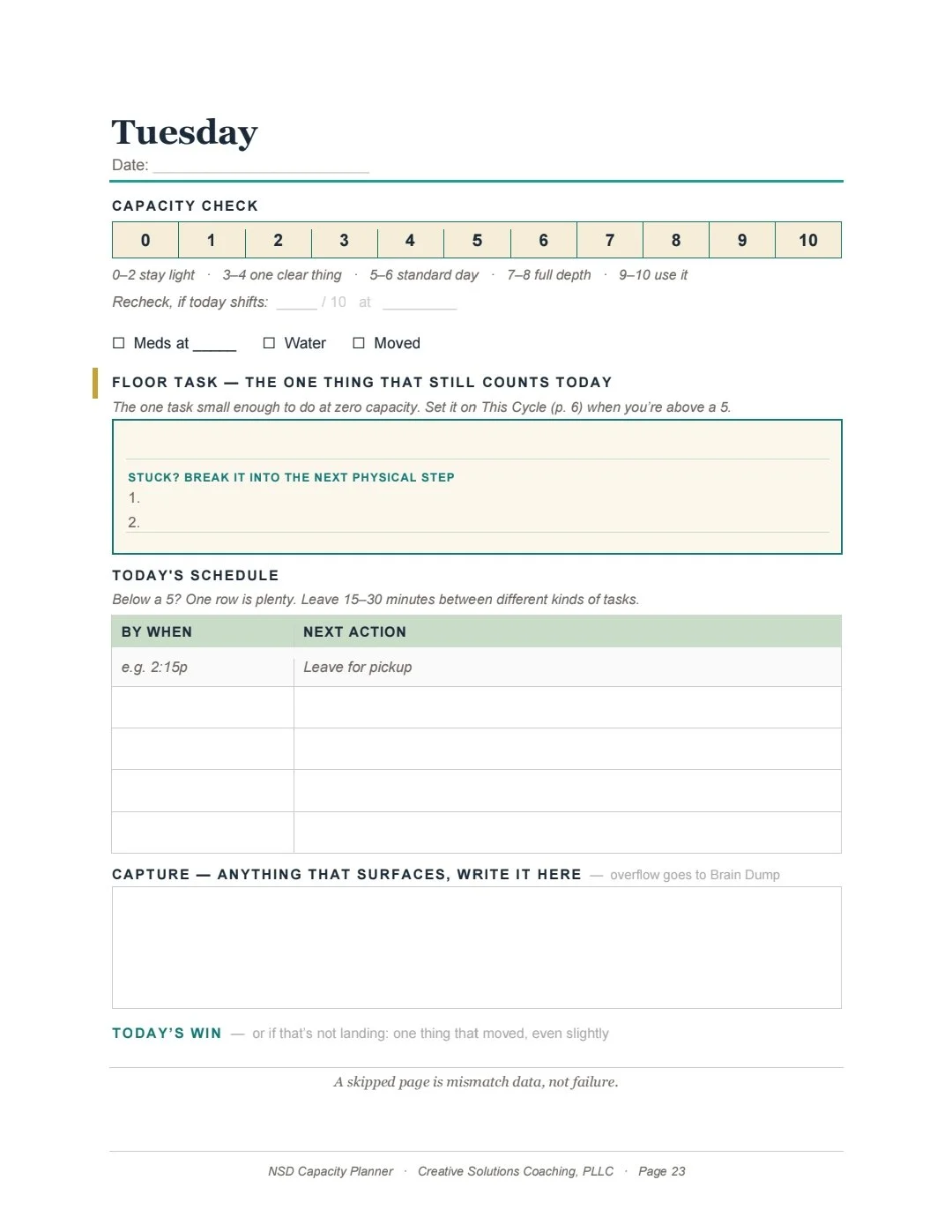
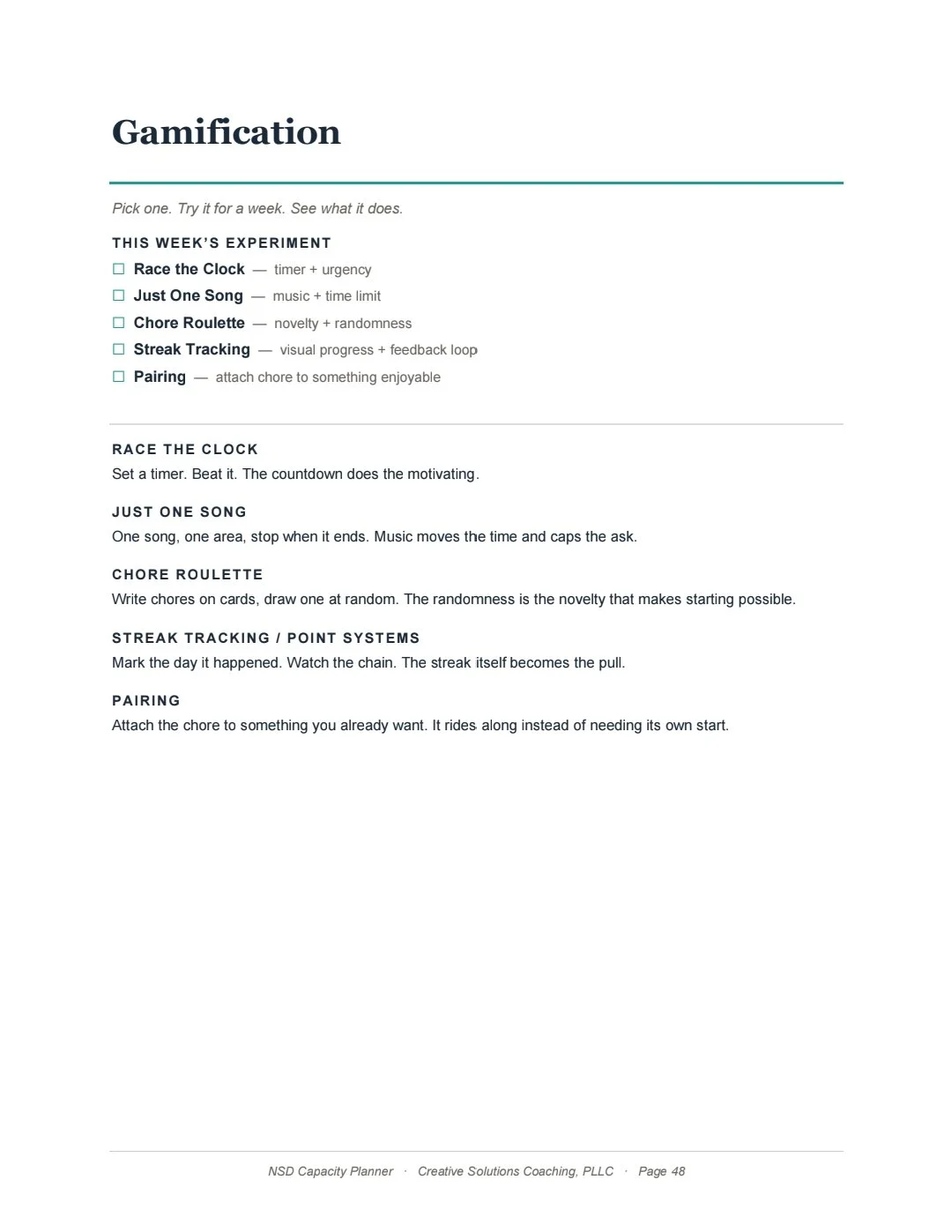
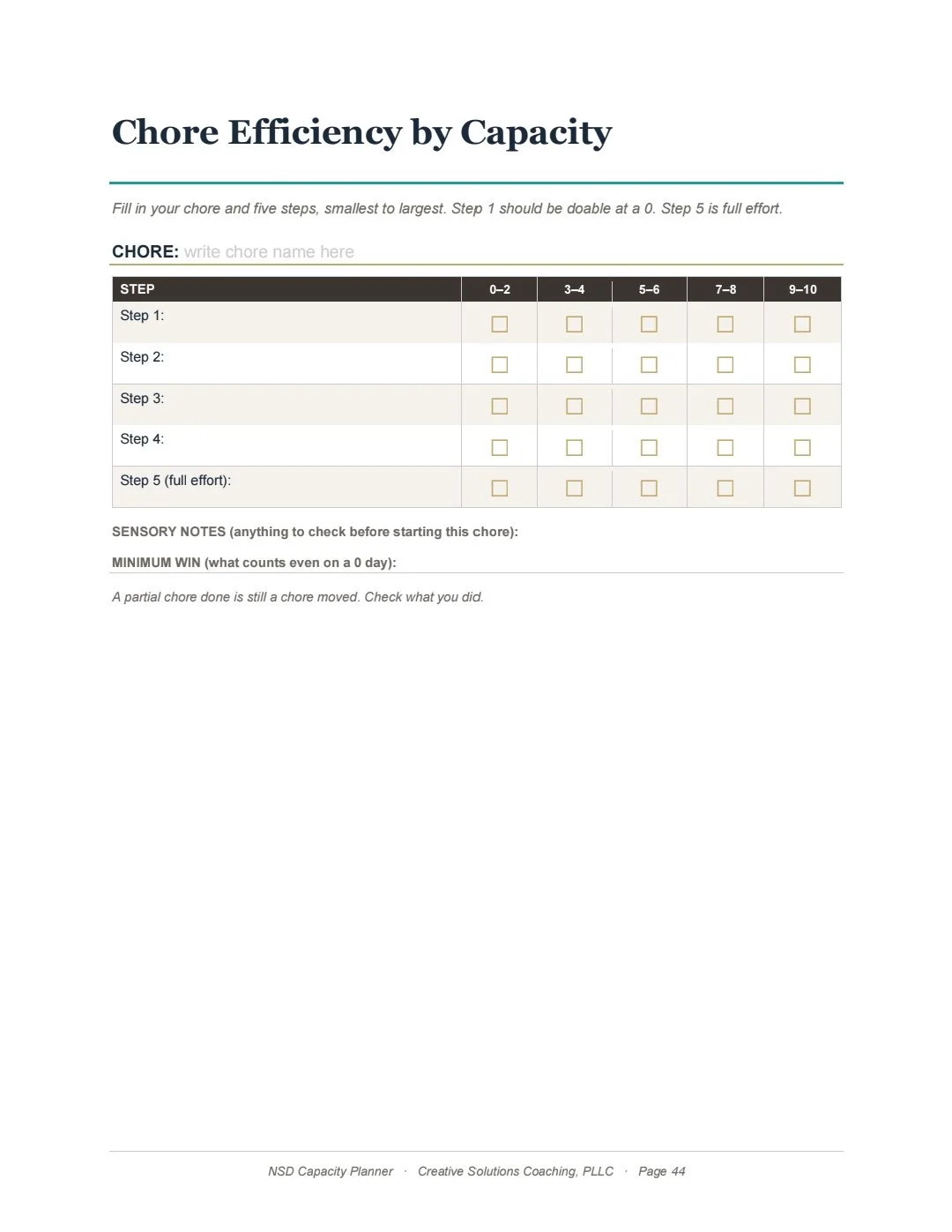
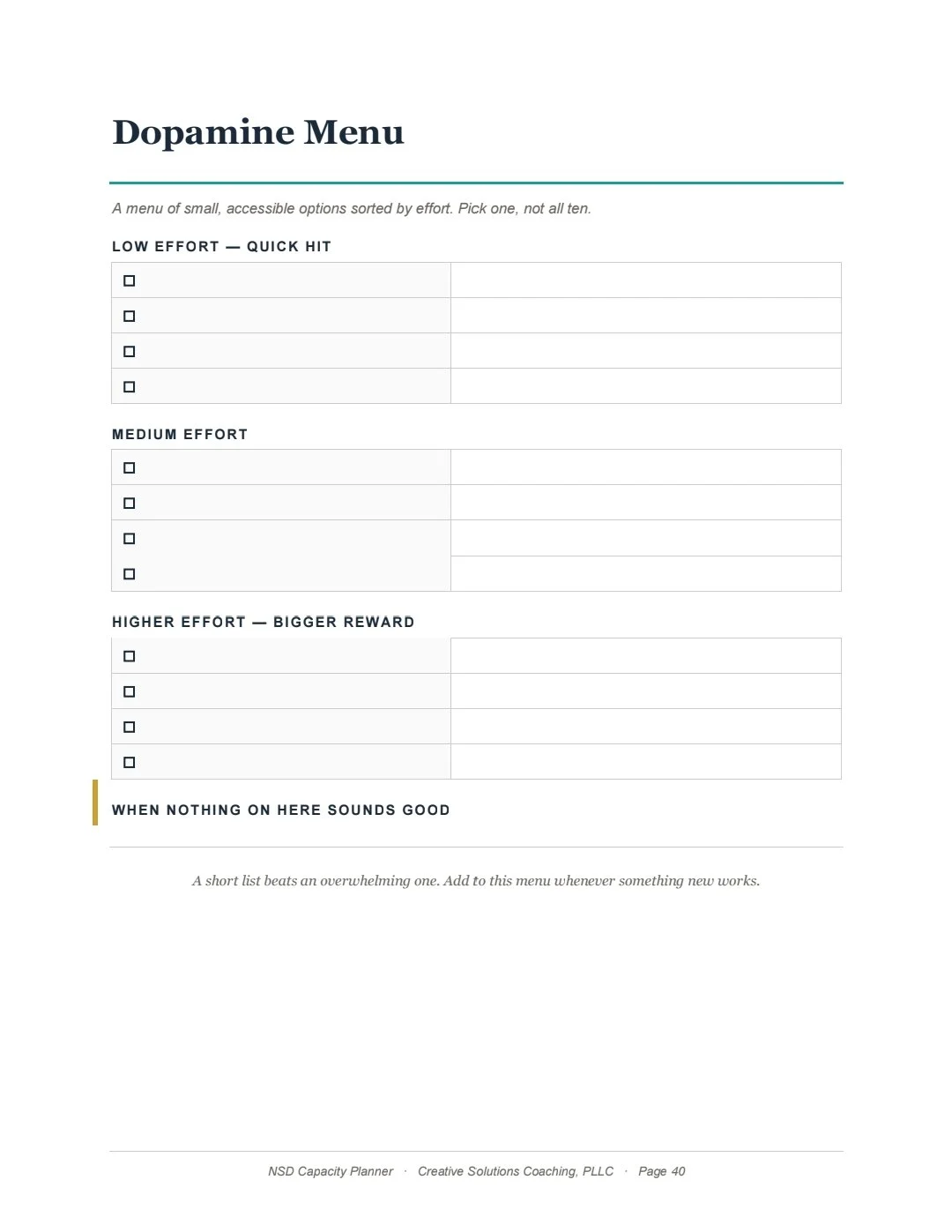
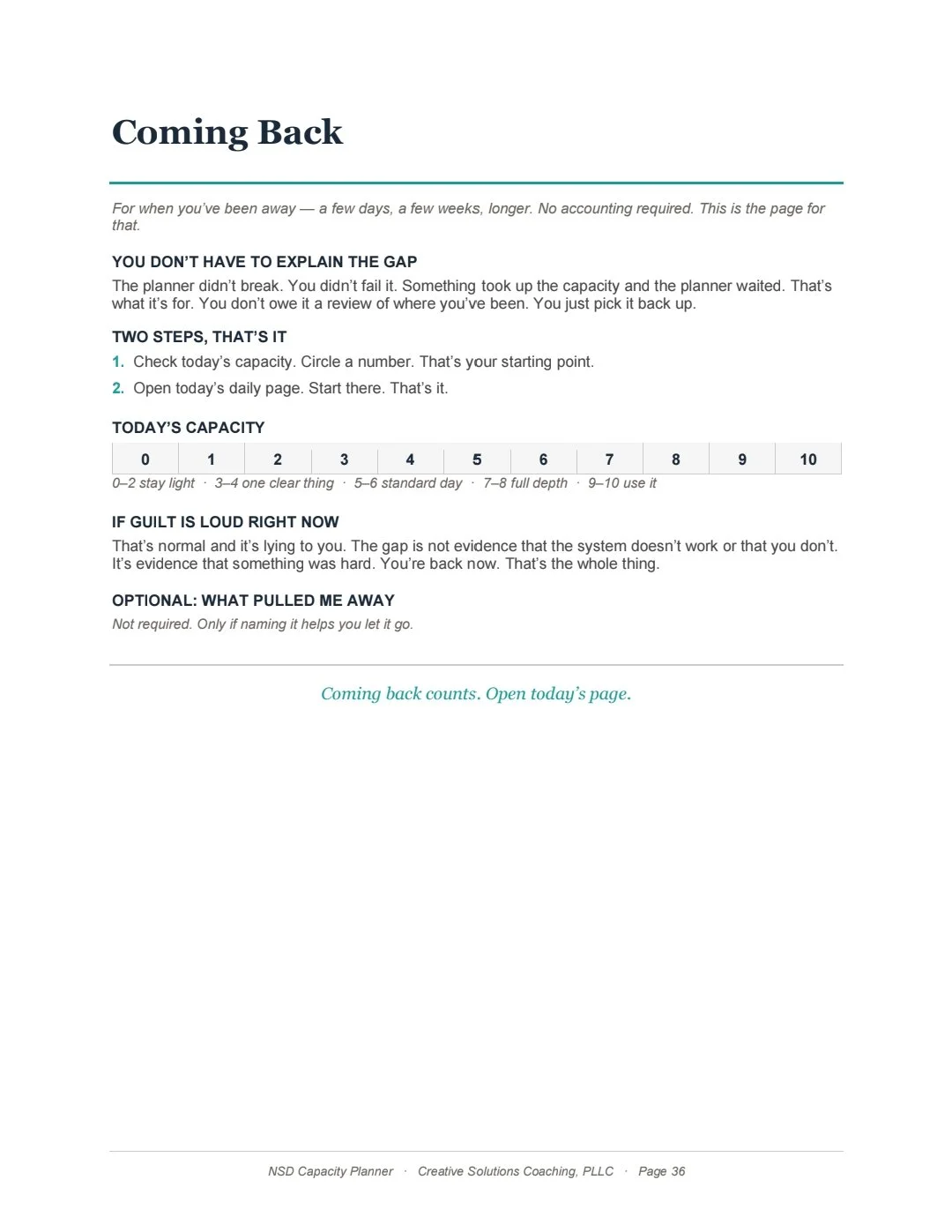
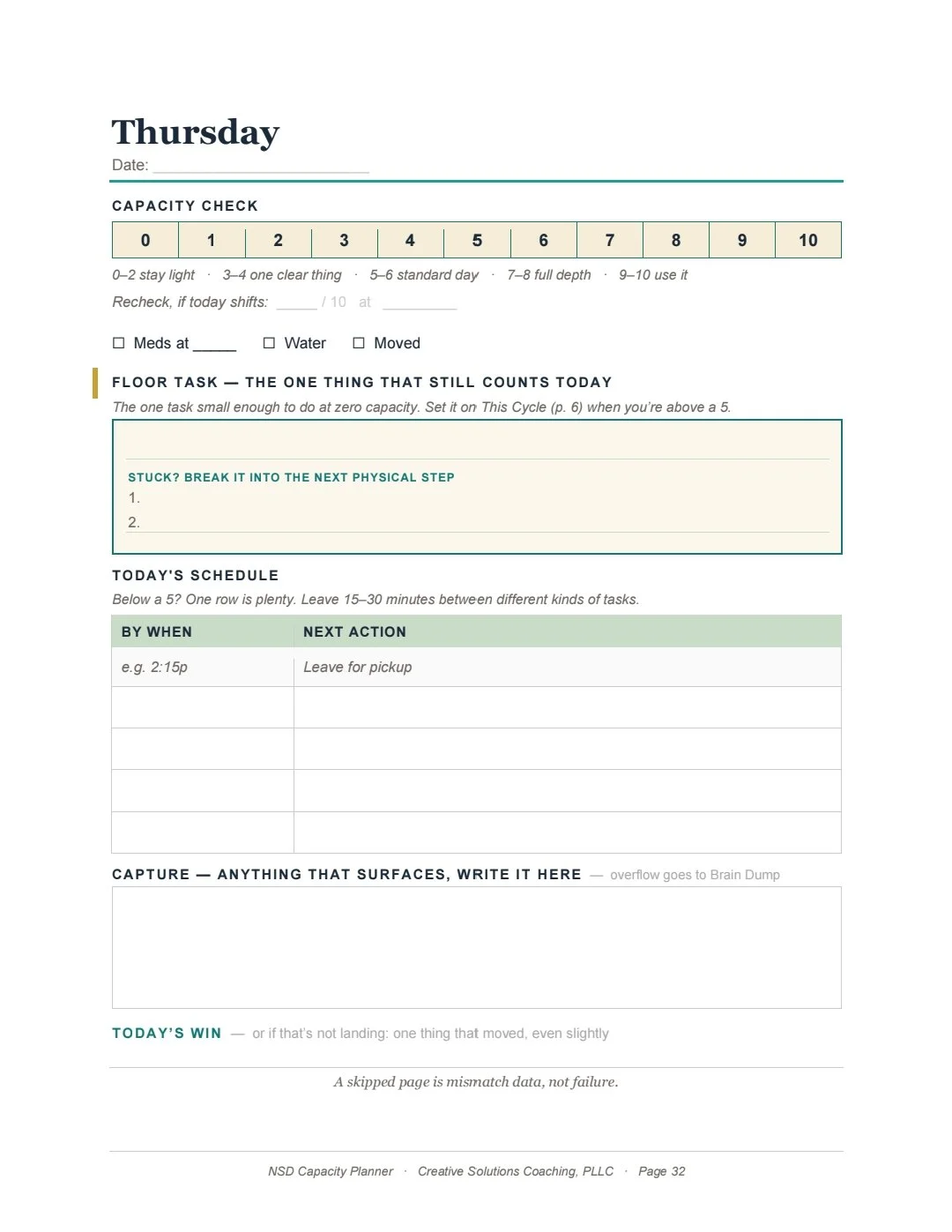
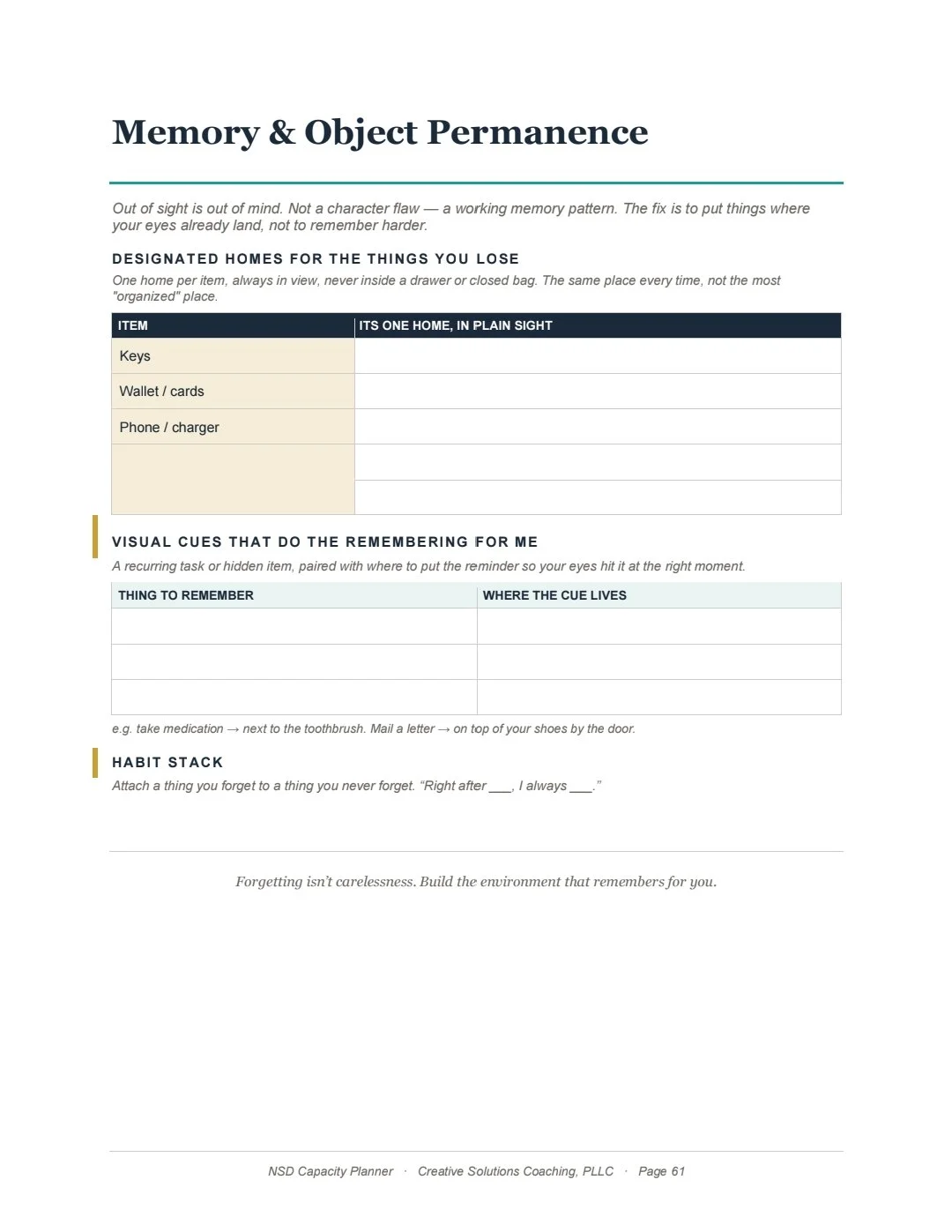
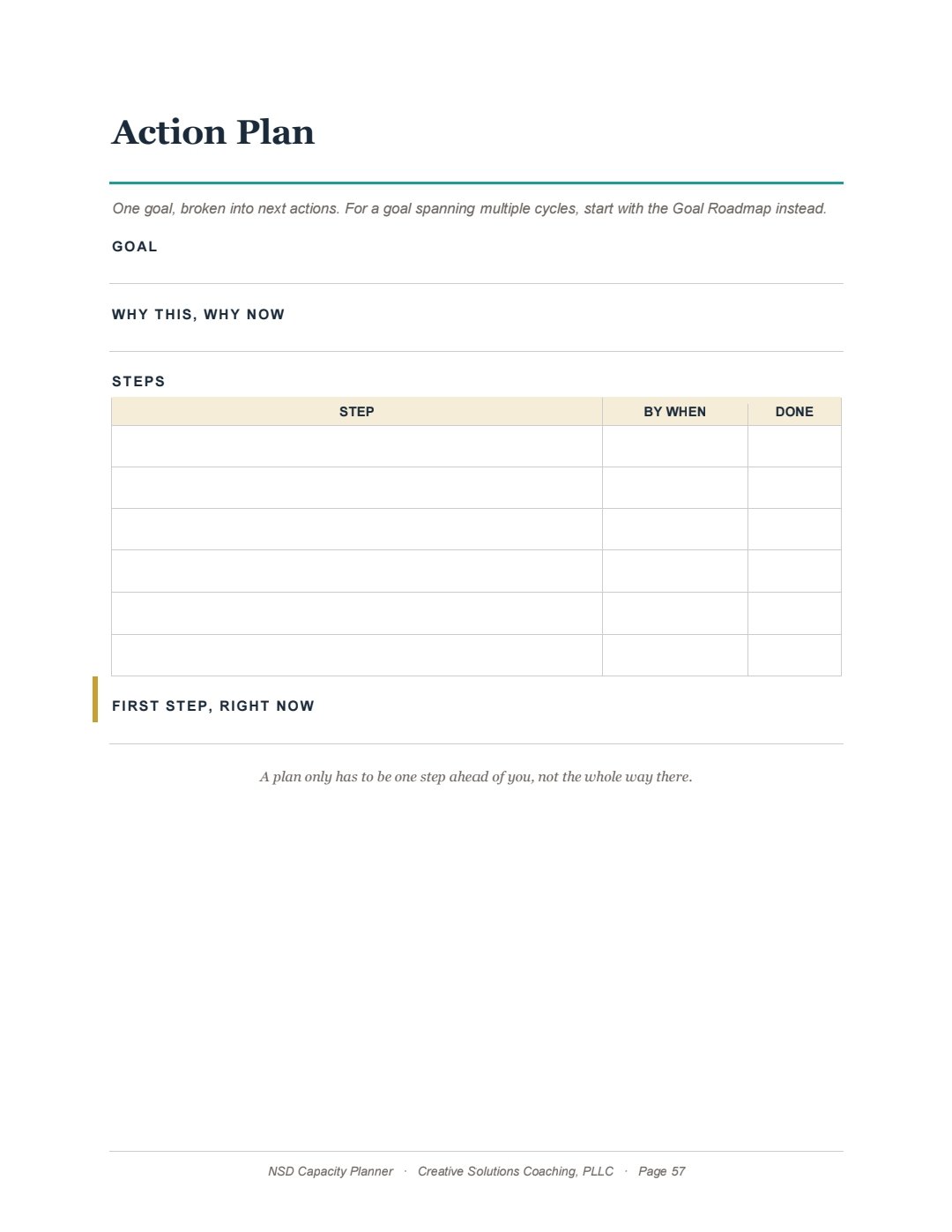
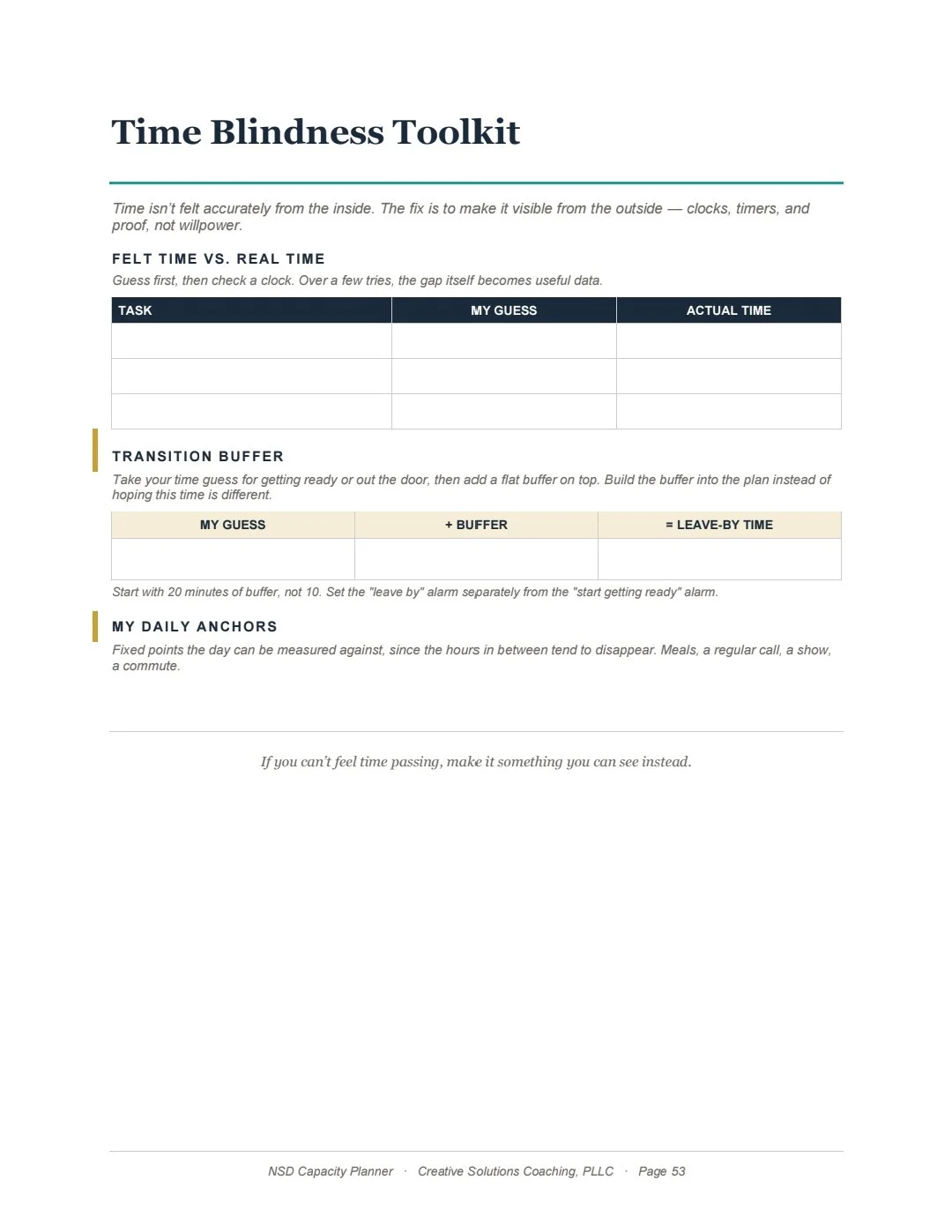
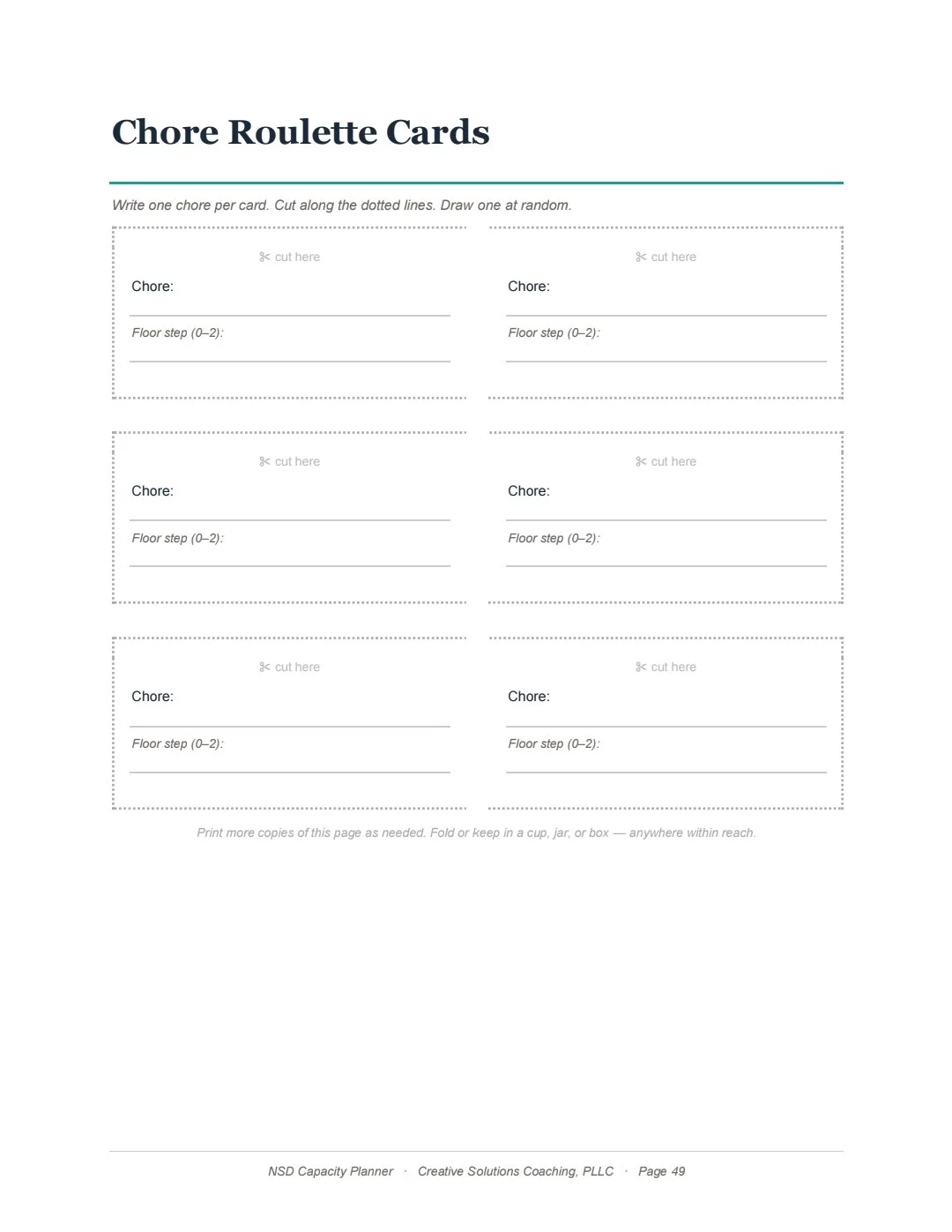
NSD Capacity Planner for ADHD
Sale Price:
$4.99
Original Price:
$9.99

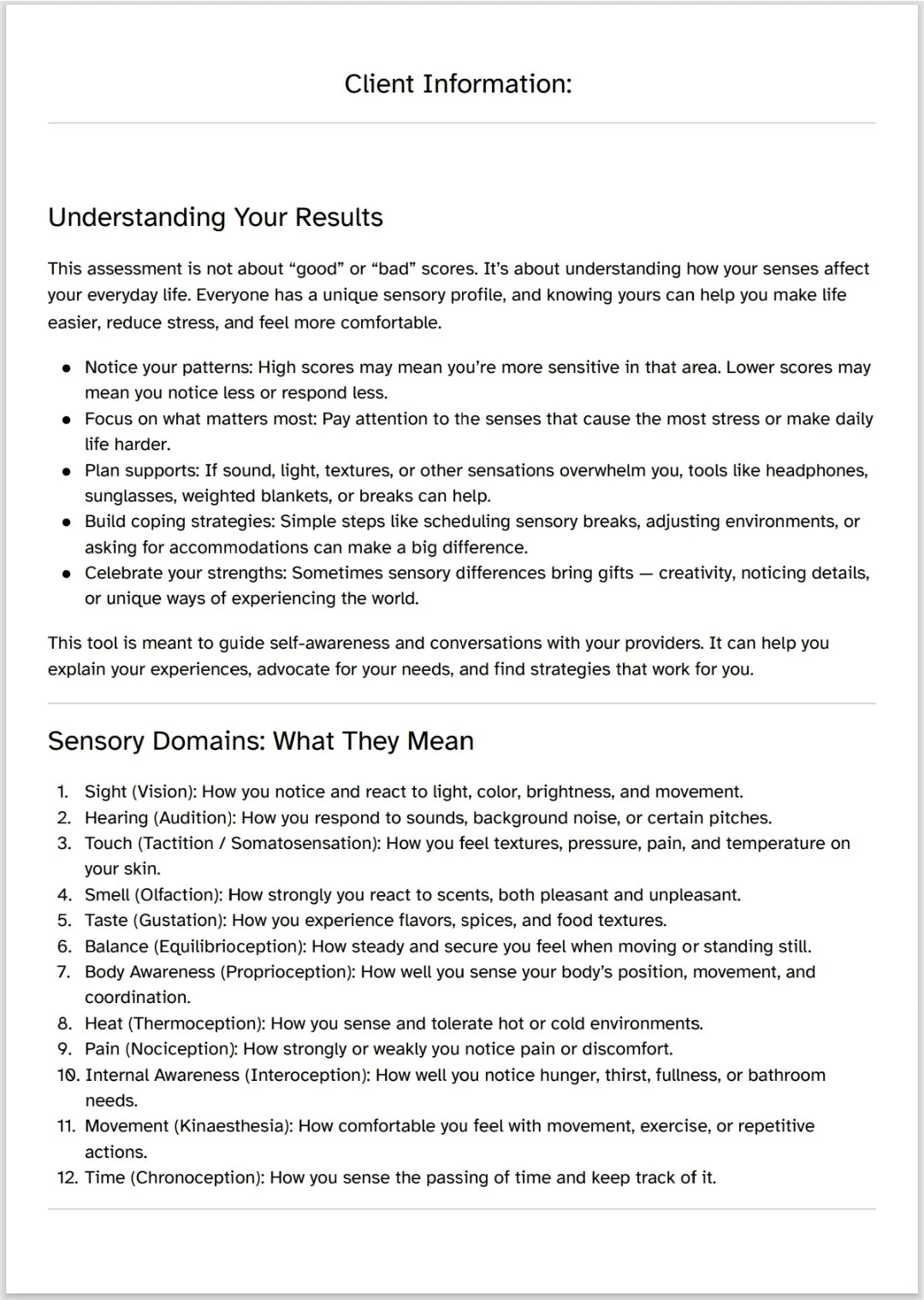


The Sensory Sensitivity Assessment Tool
$19.99

Networking Your Executive Functioning: A psychoeducation masterclass with a subject matter expert
$127.00
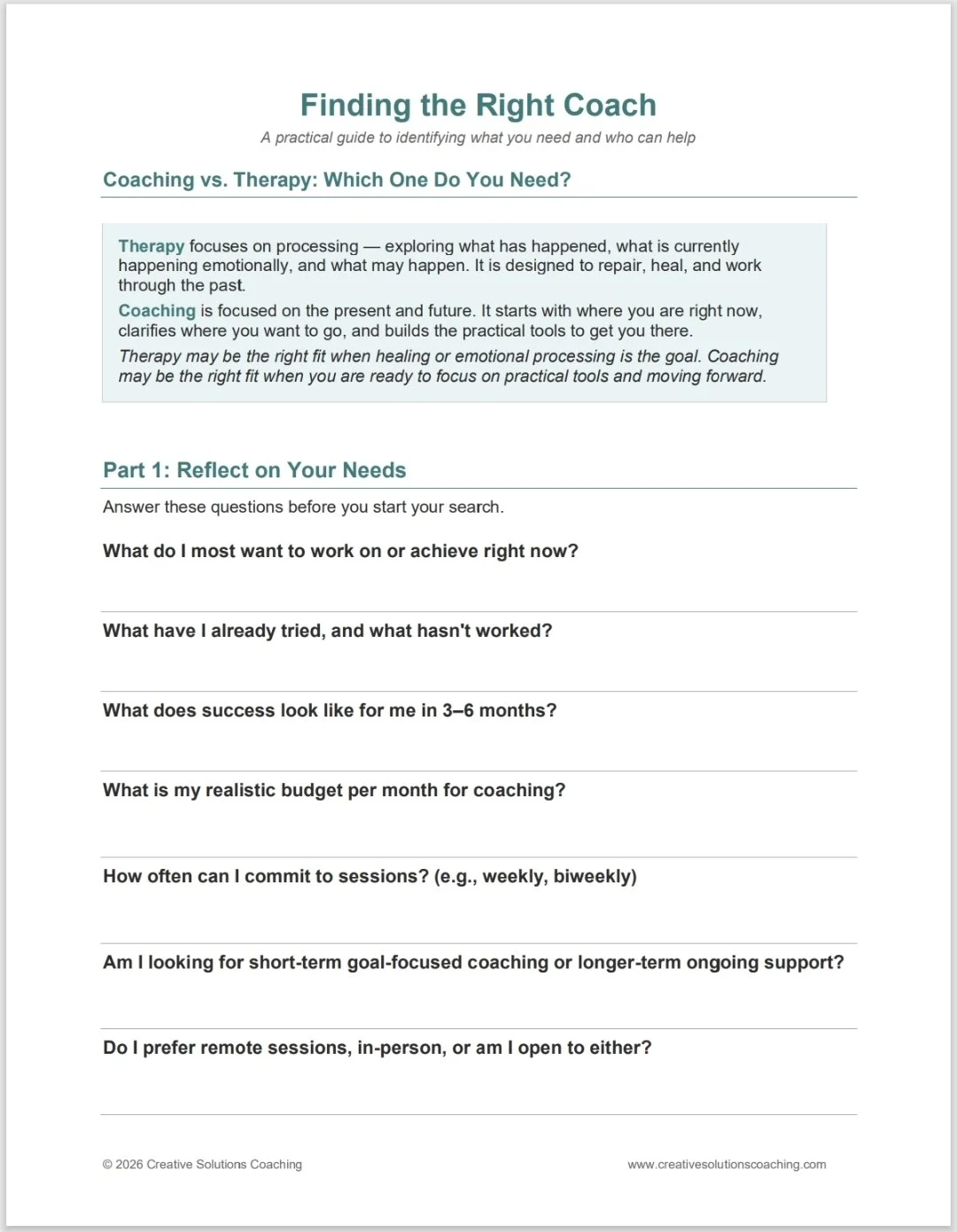
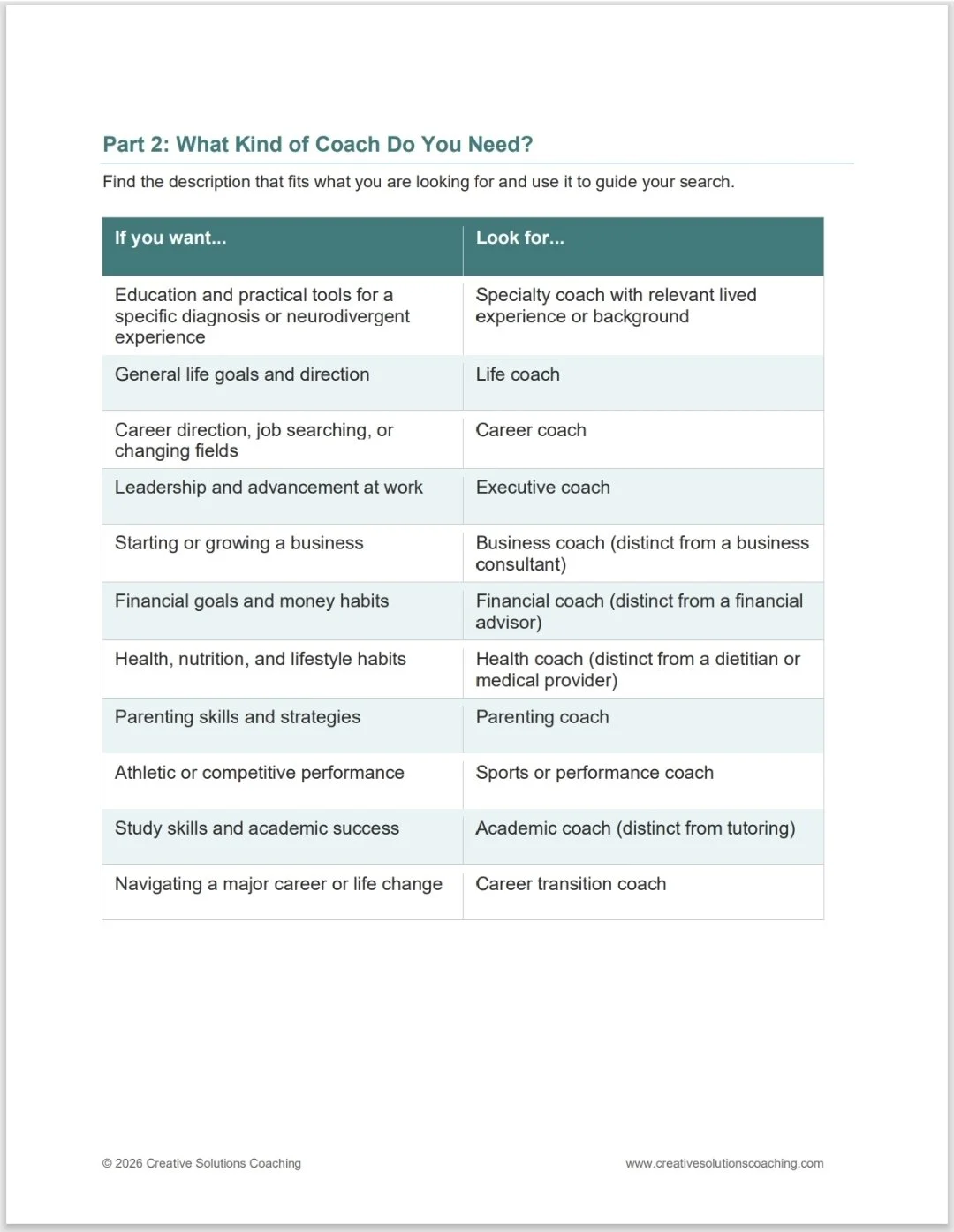
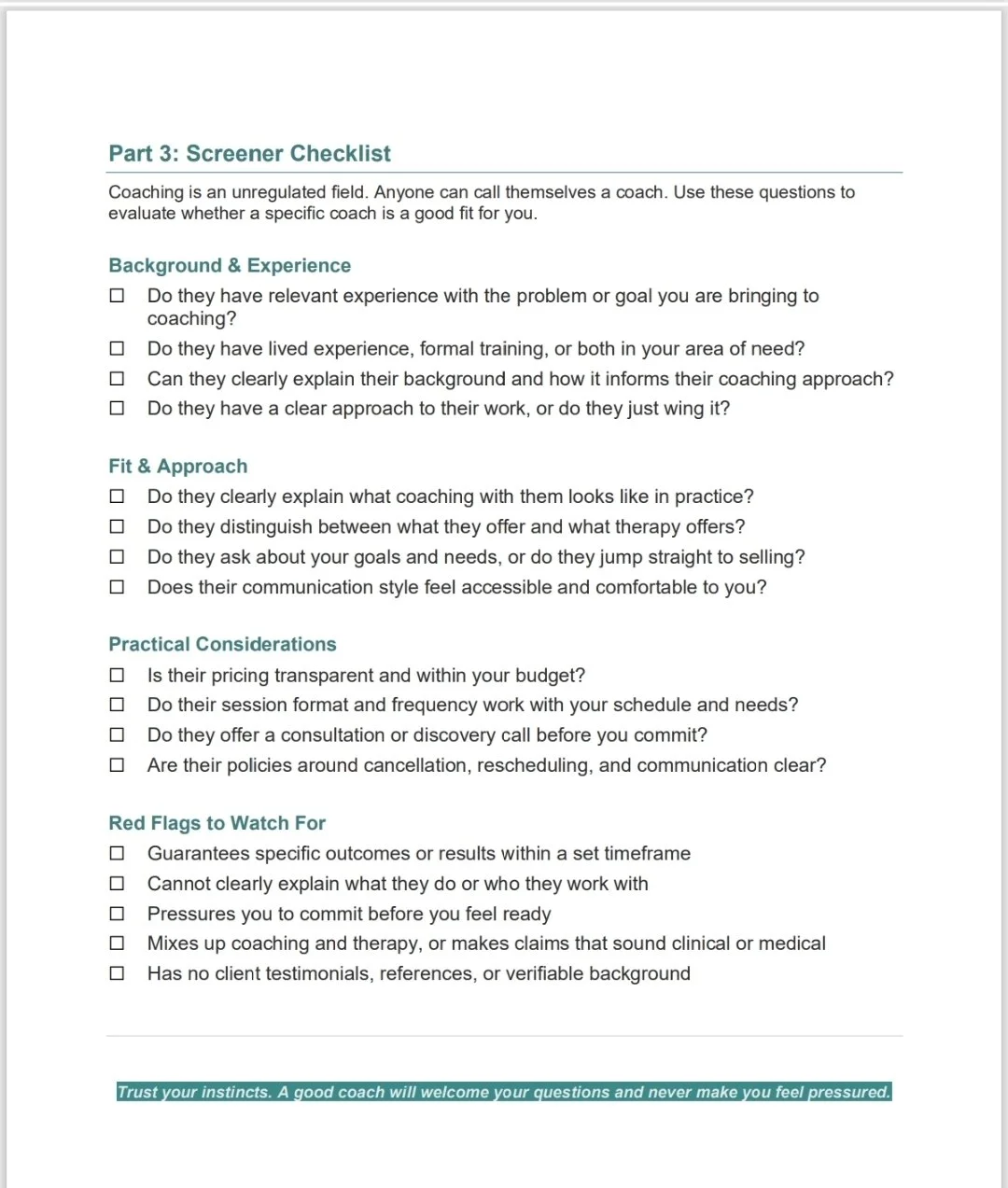
Finding the Right Coach
$0.00
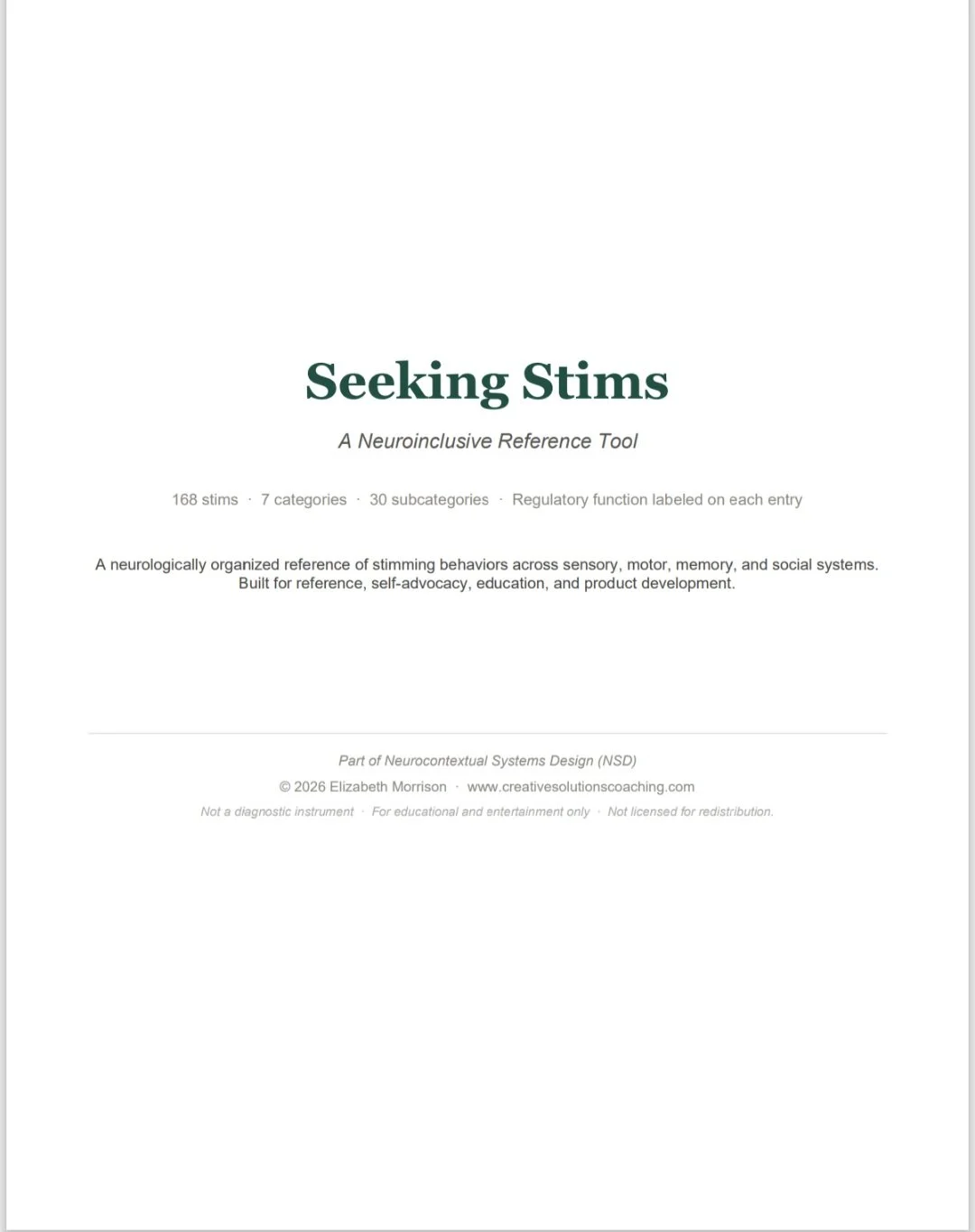
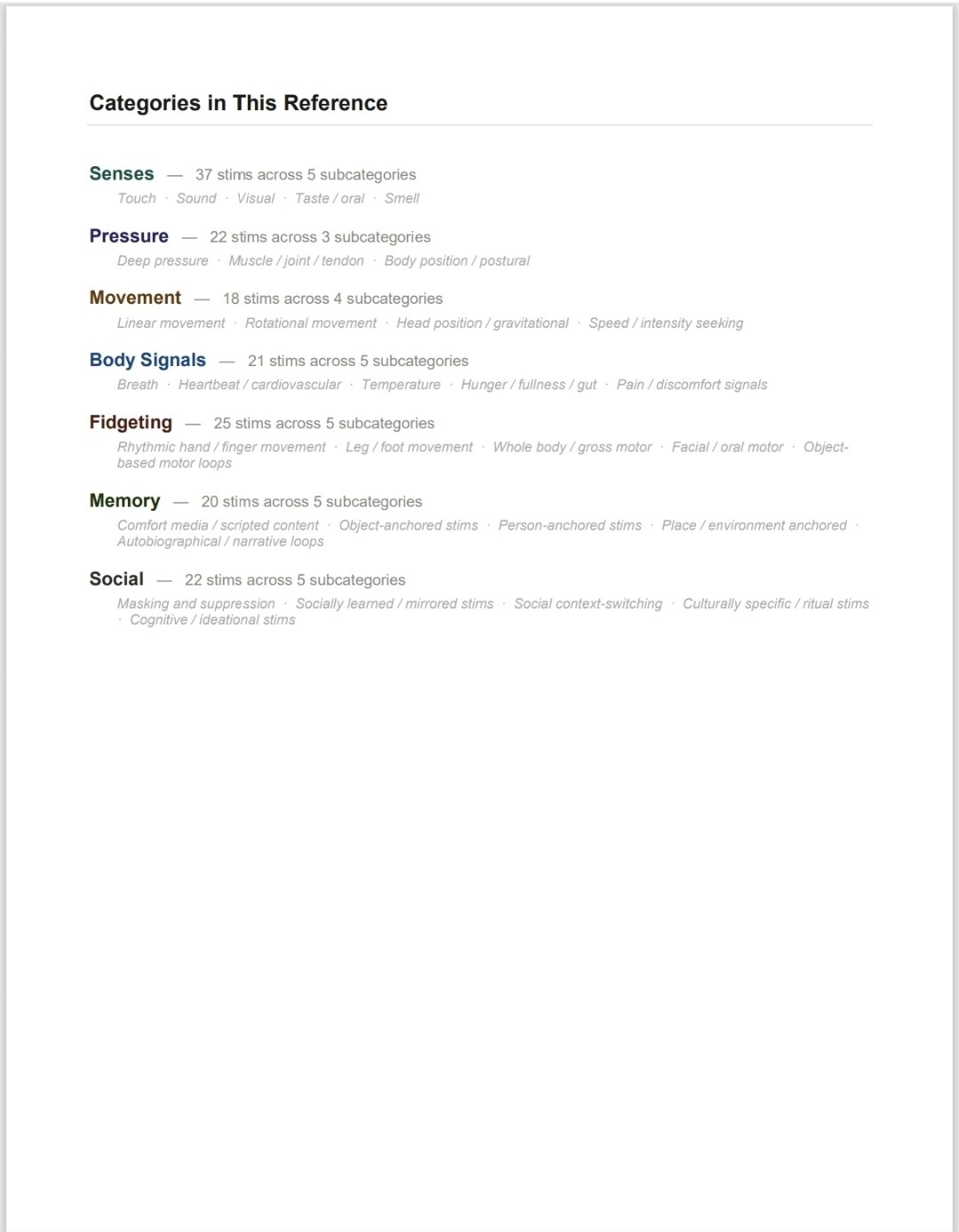
Seeking Stims Reference Guide
$2.99
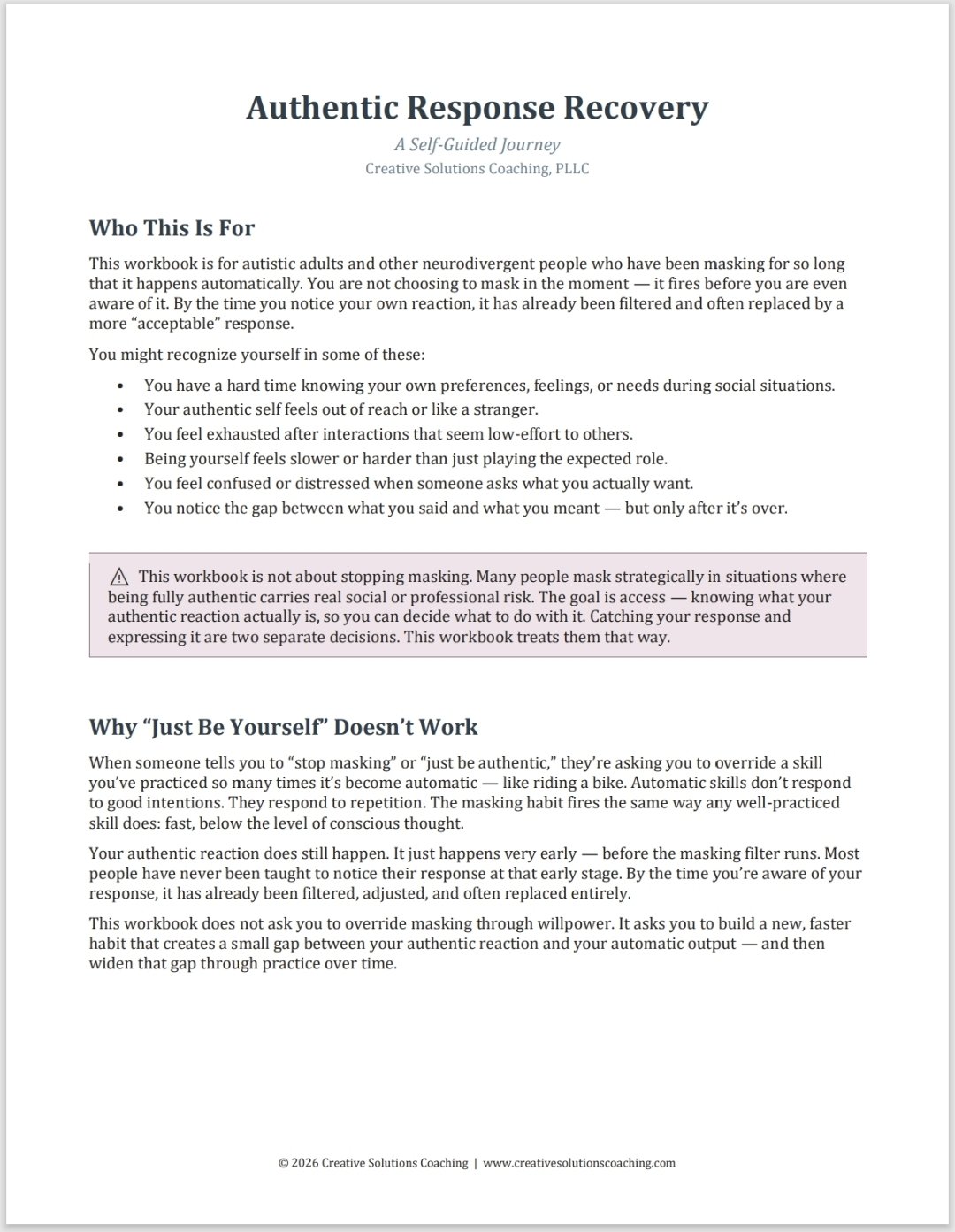
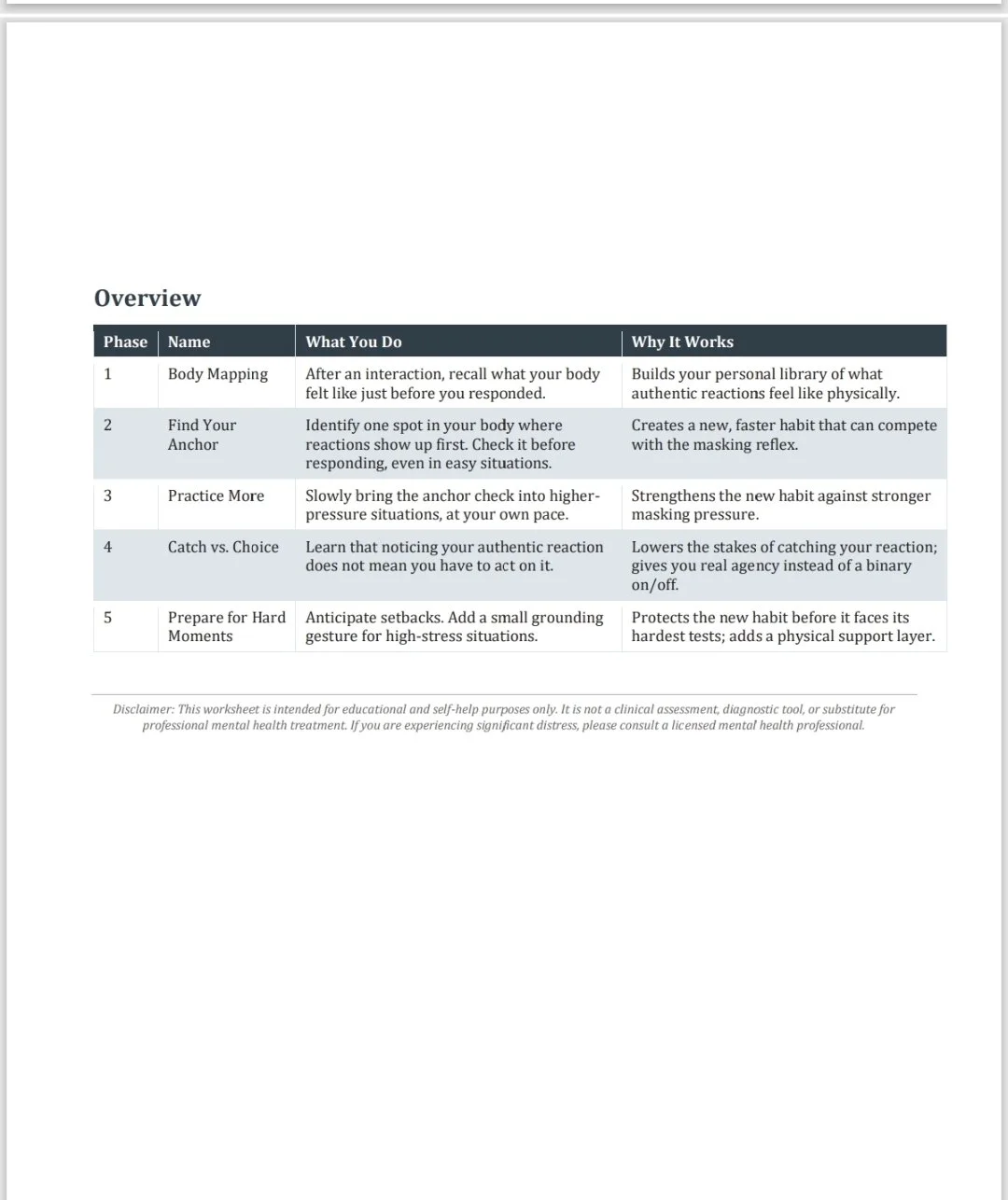
Authentic Response Recovery: A Self-Guided Journey
$0.00
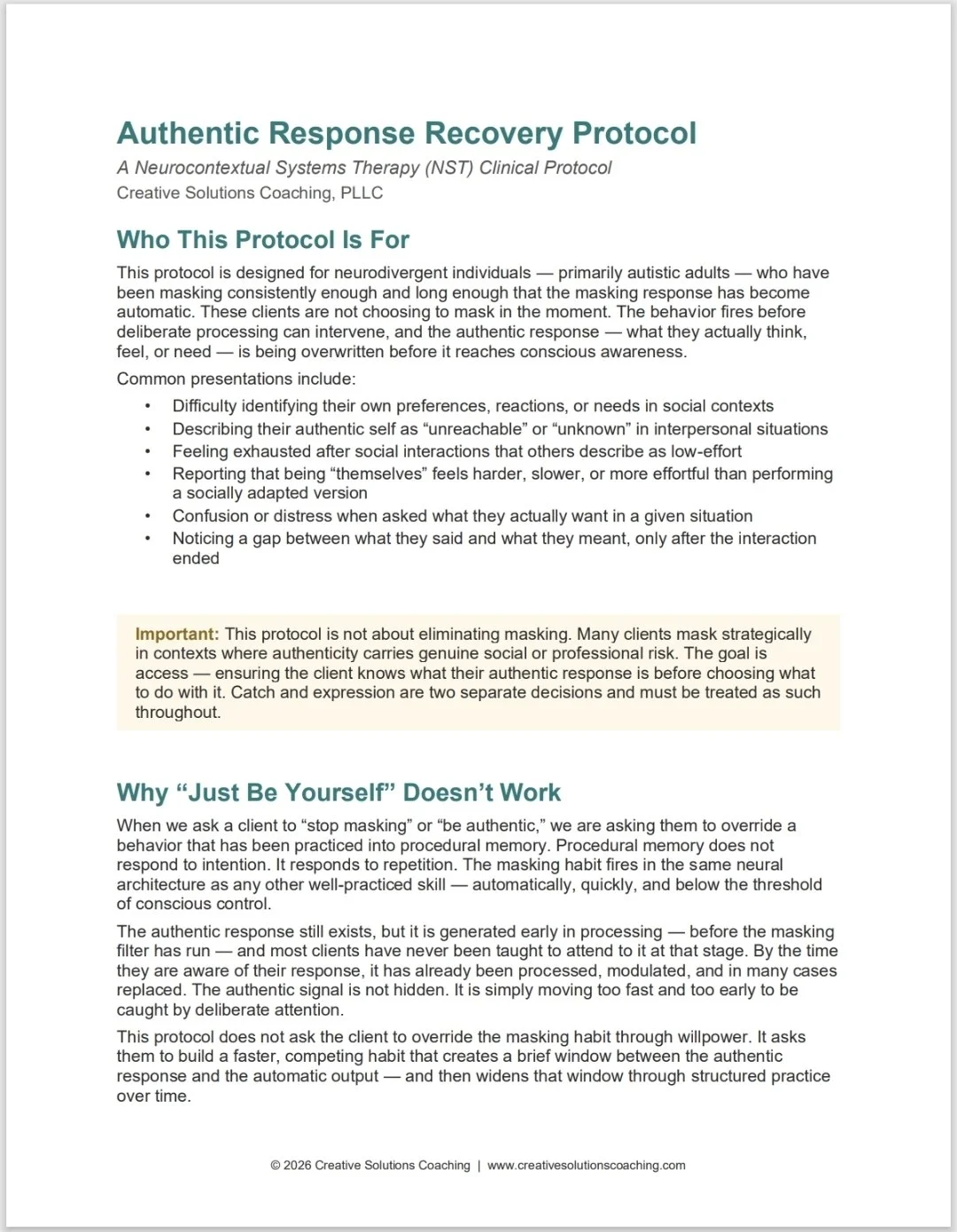
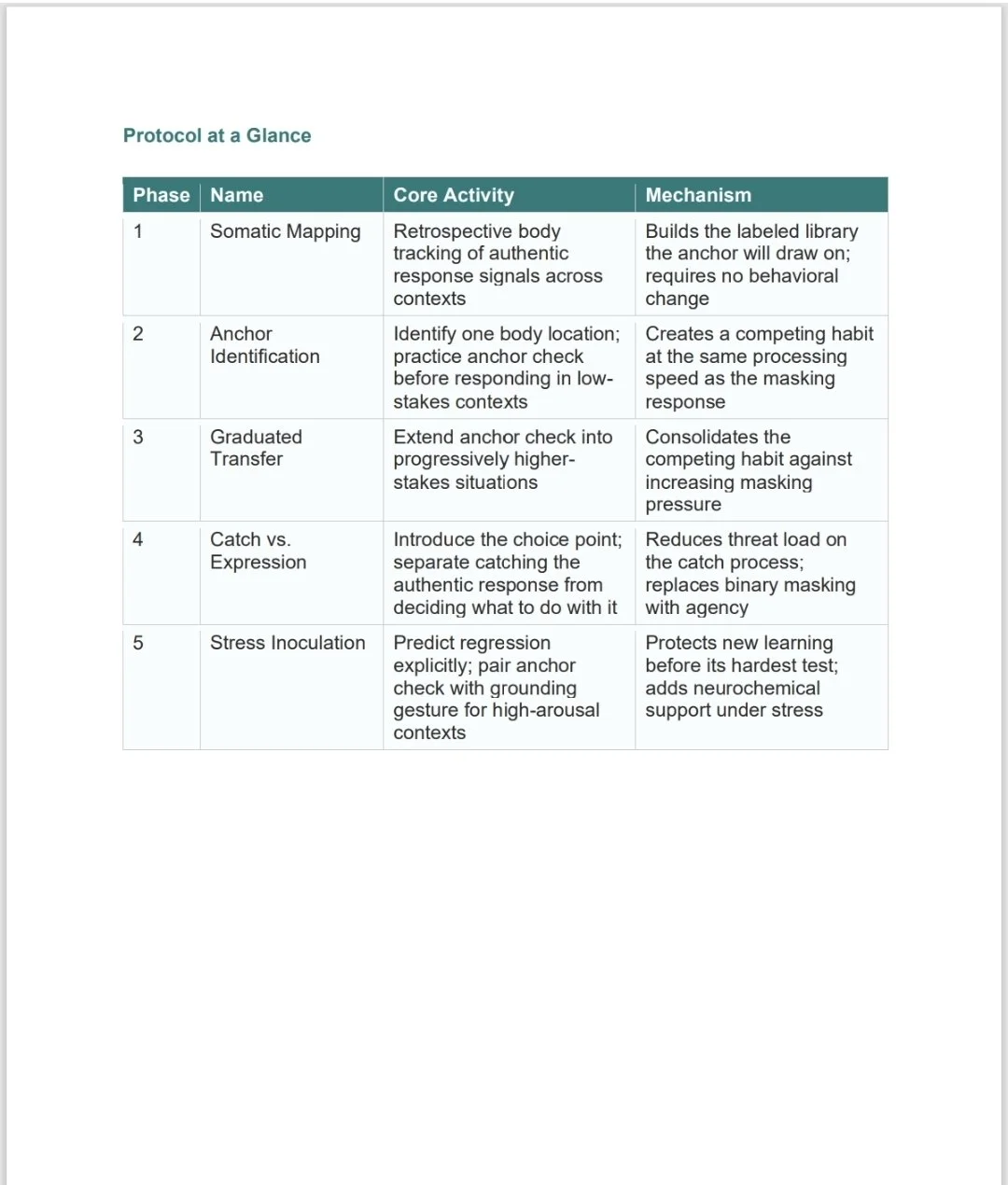
Authentic Response Recovery Protocol
$0.00
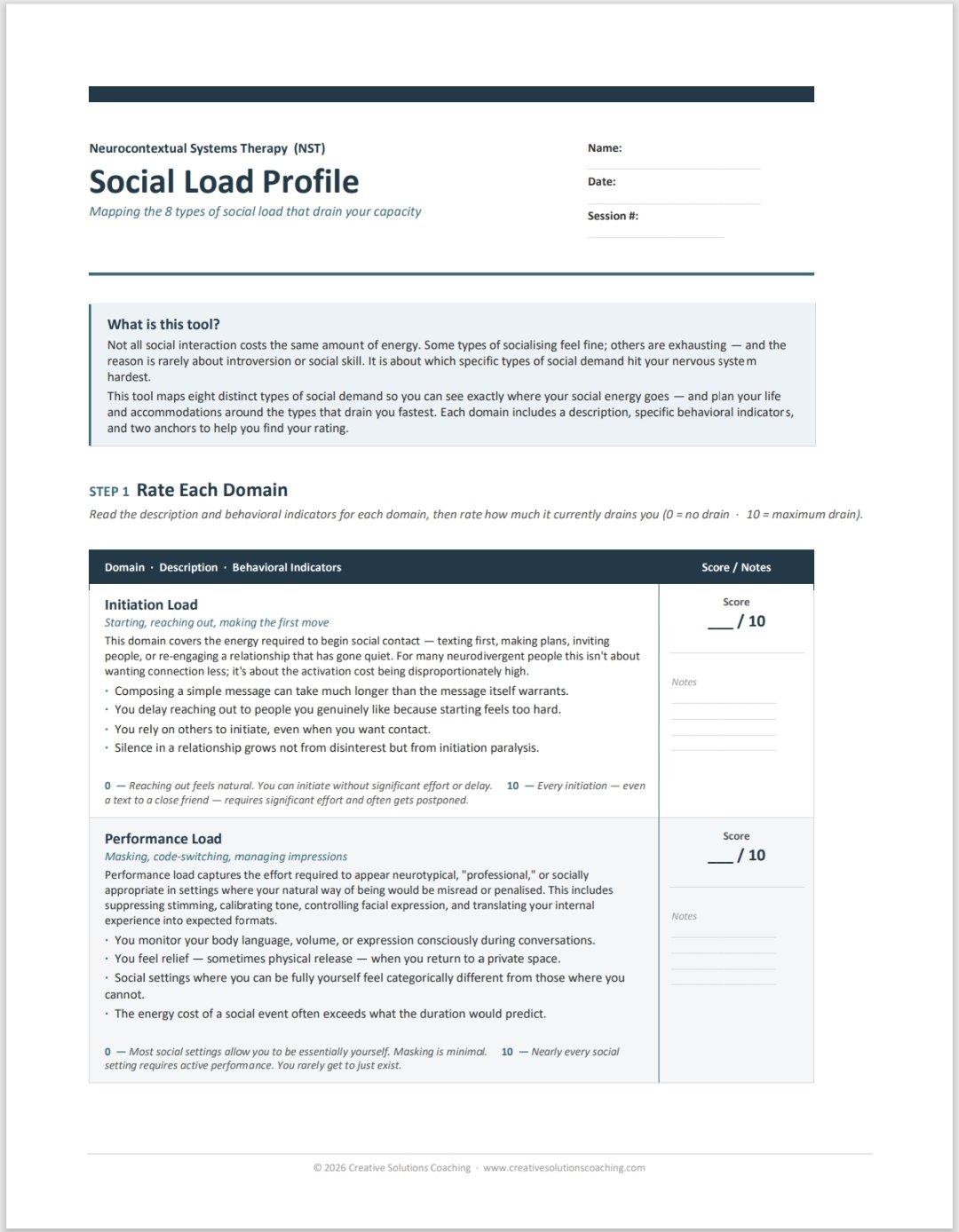
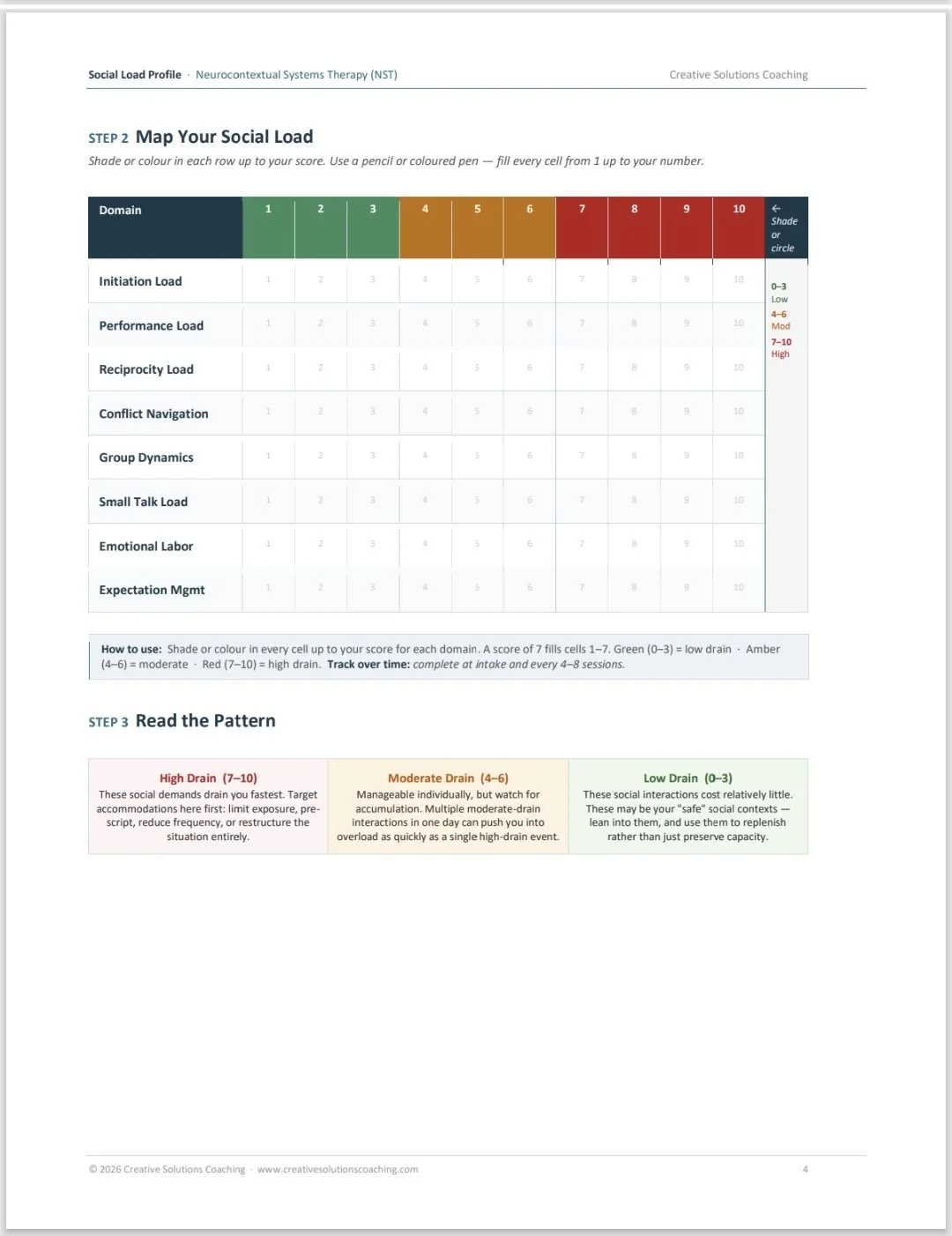
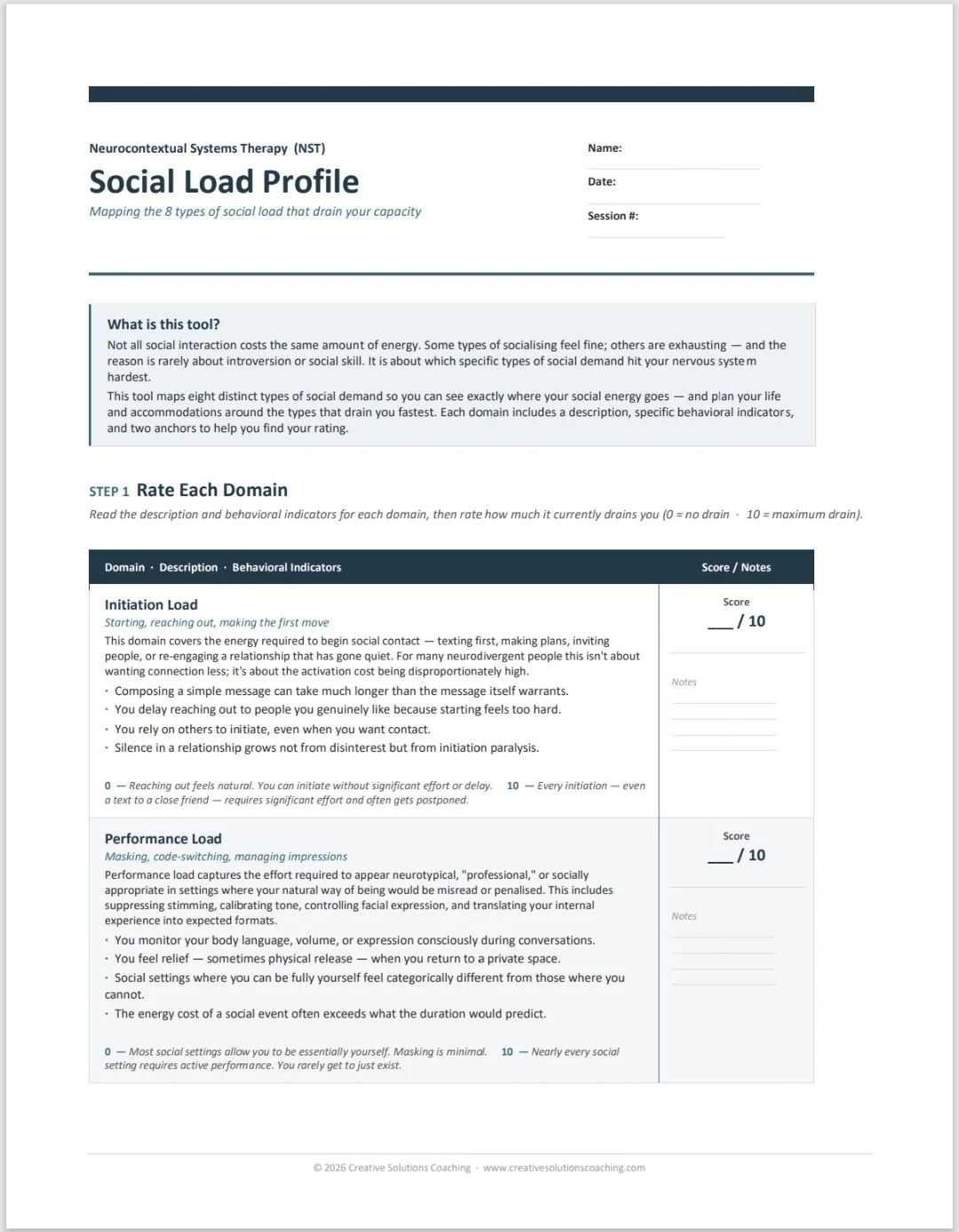
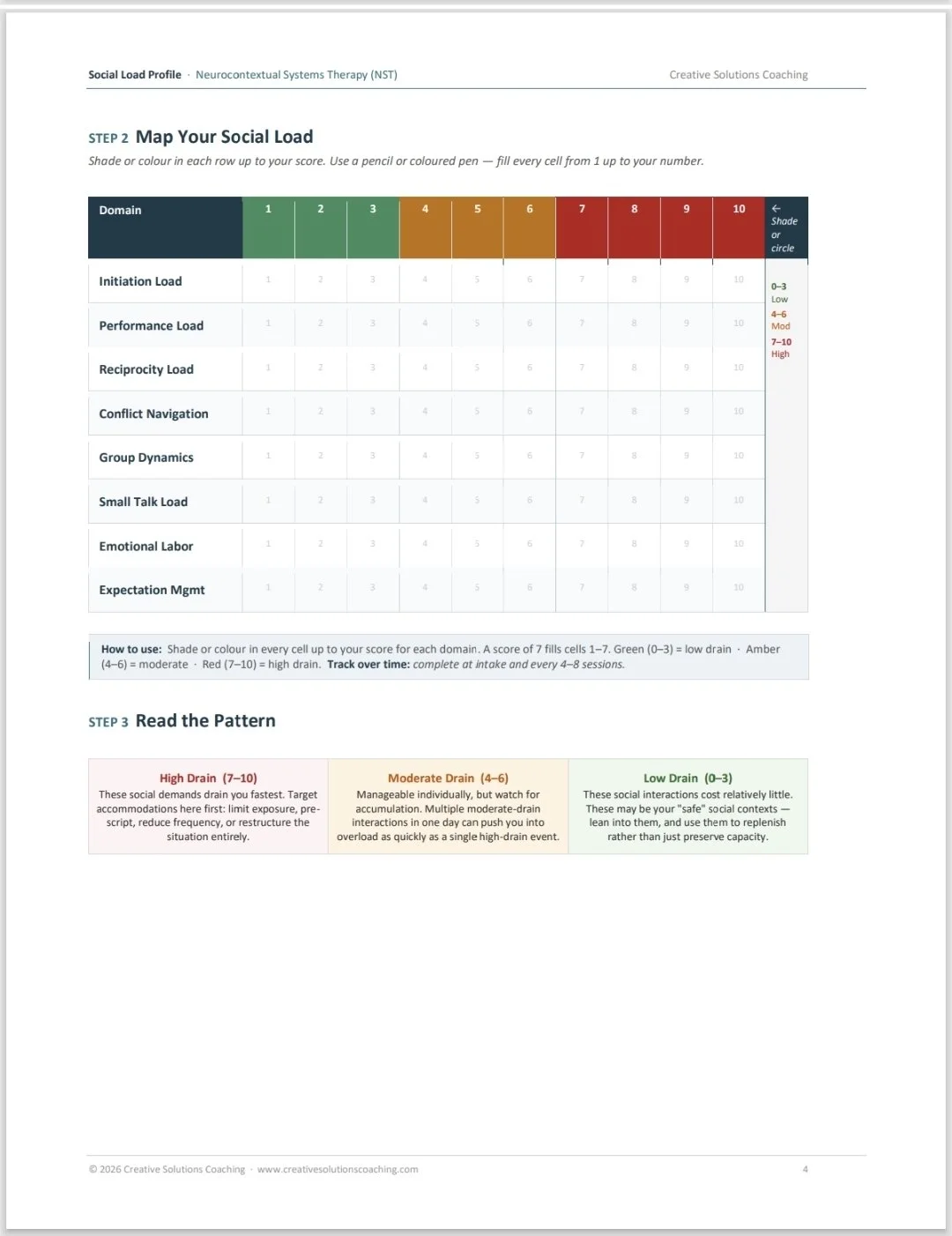
Social Load Profile | 8-Domain Social Energy Assessment
Sale Price:
$5.00
Original Price:
$9.00
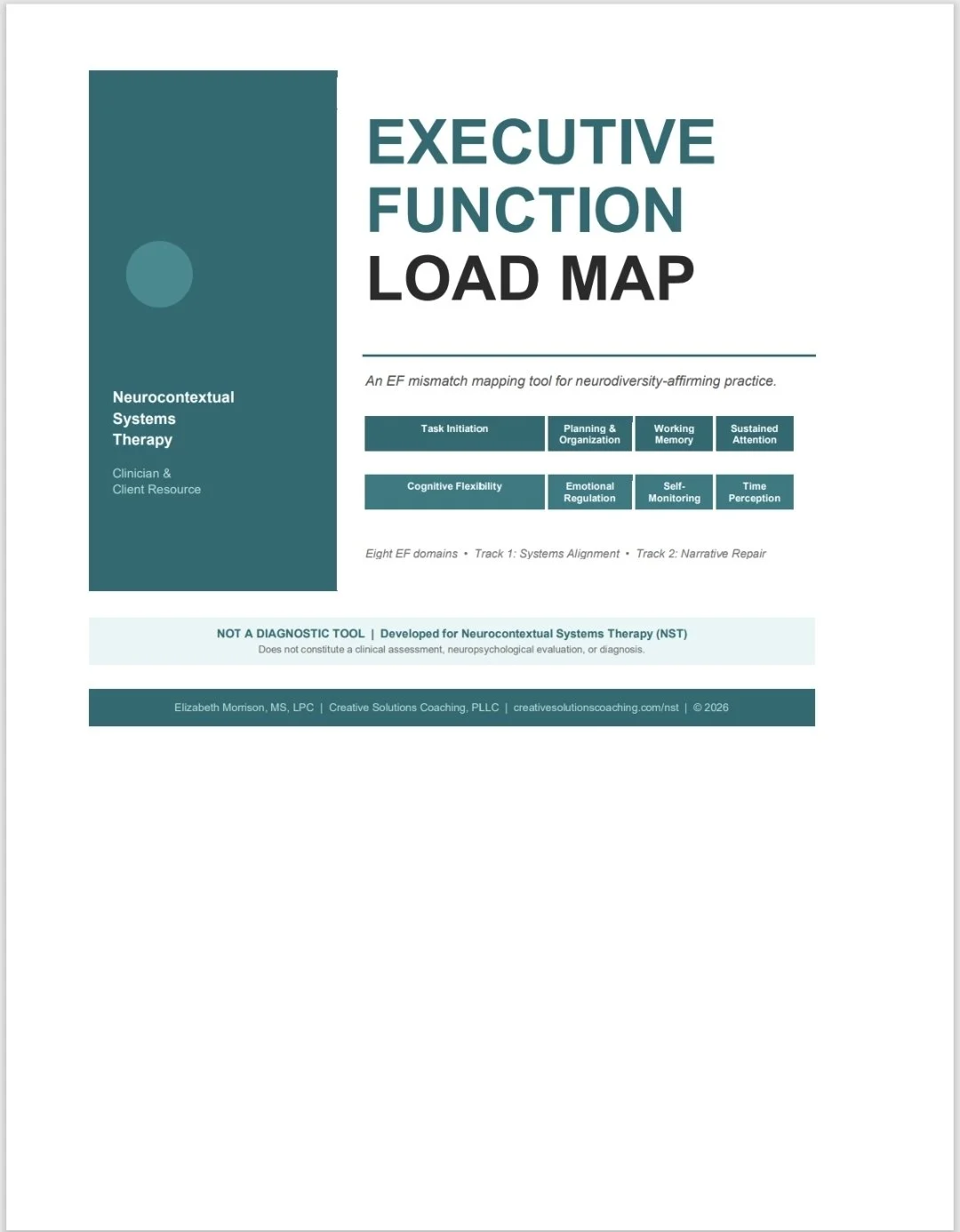
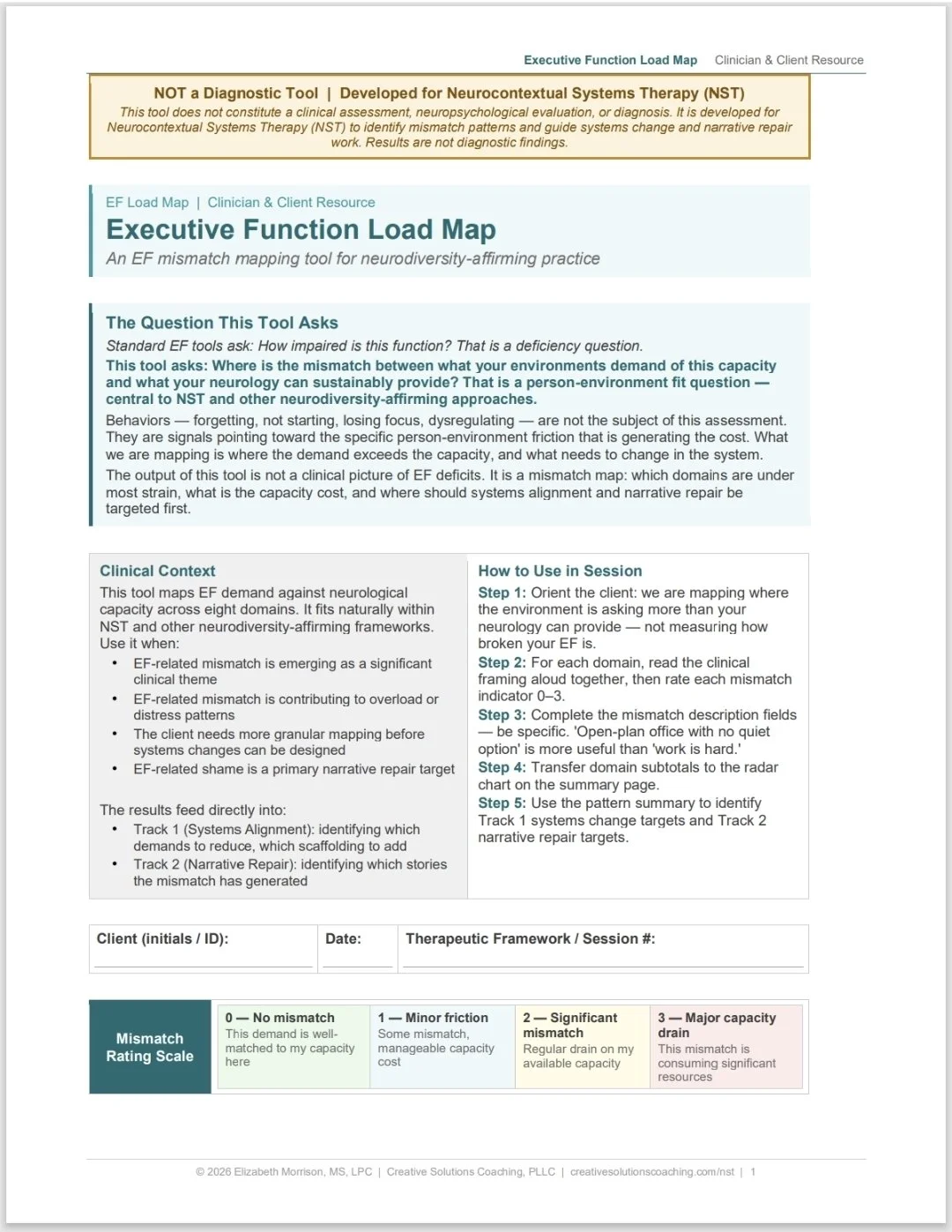
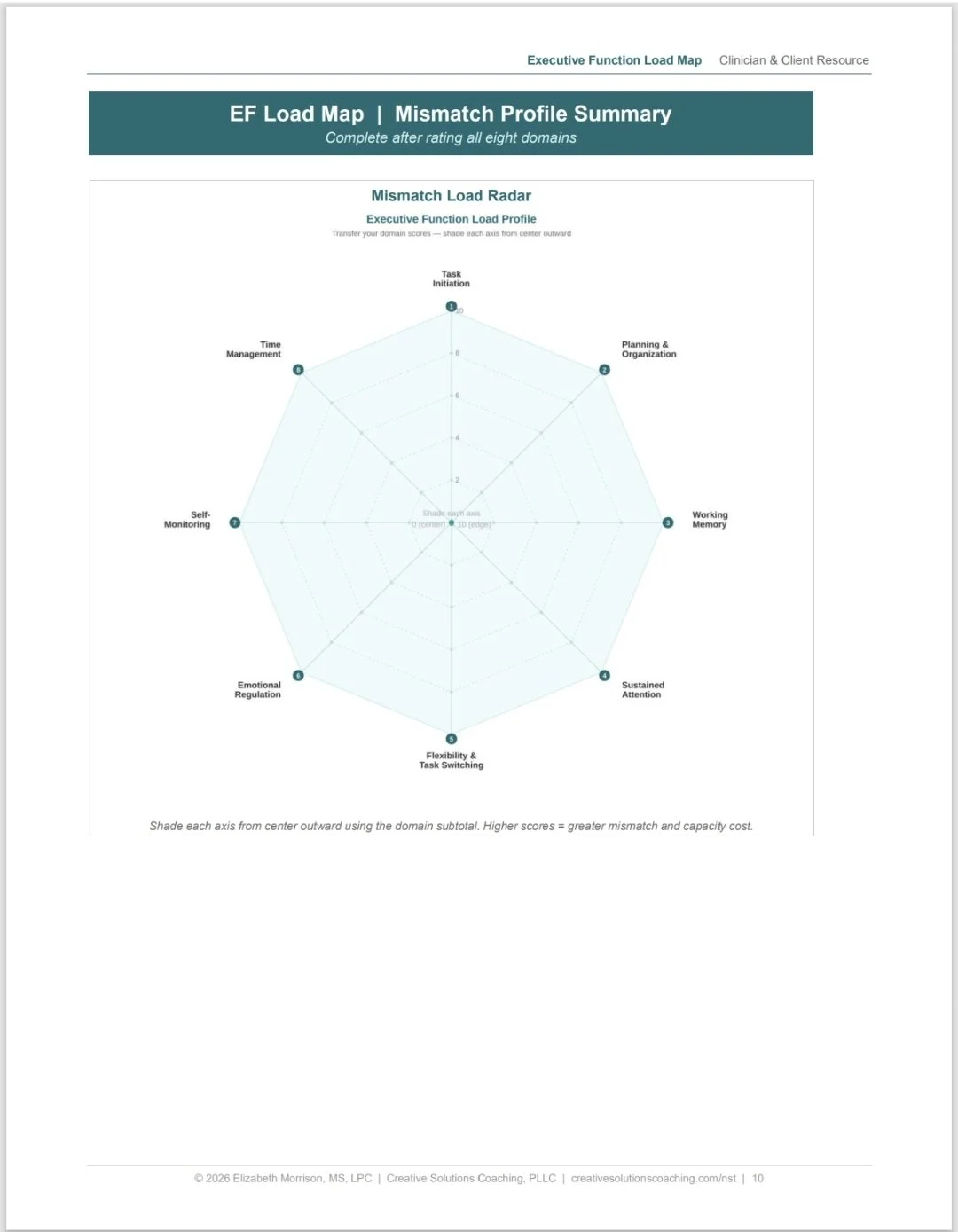
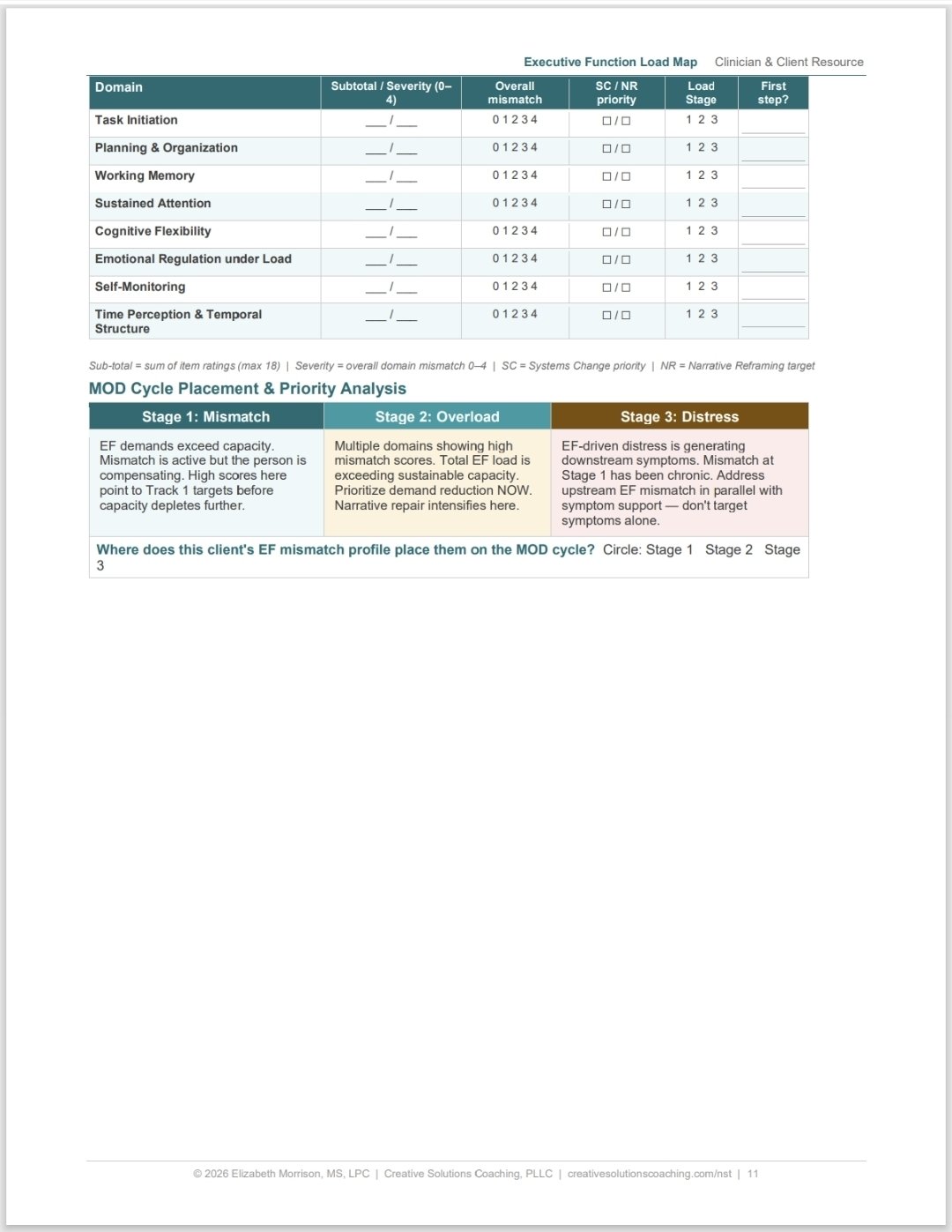
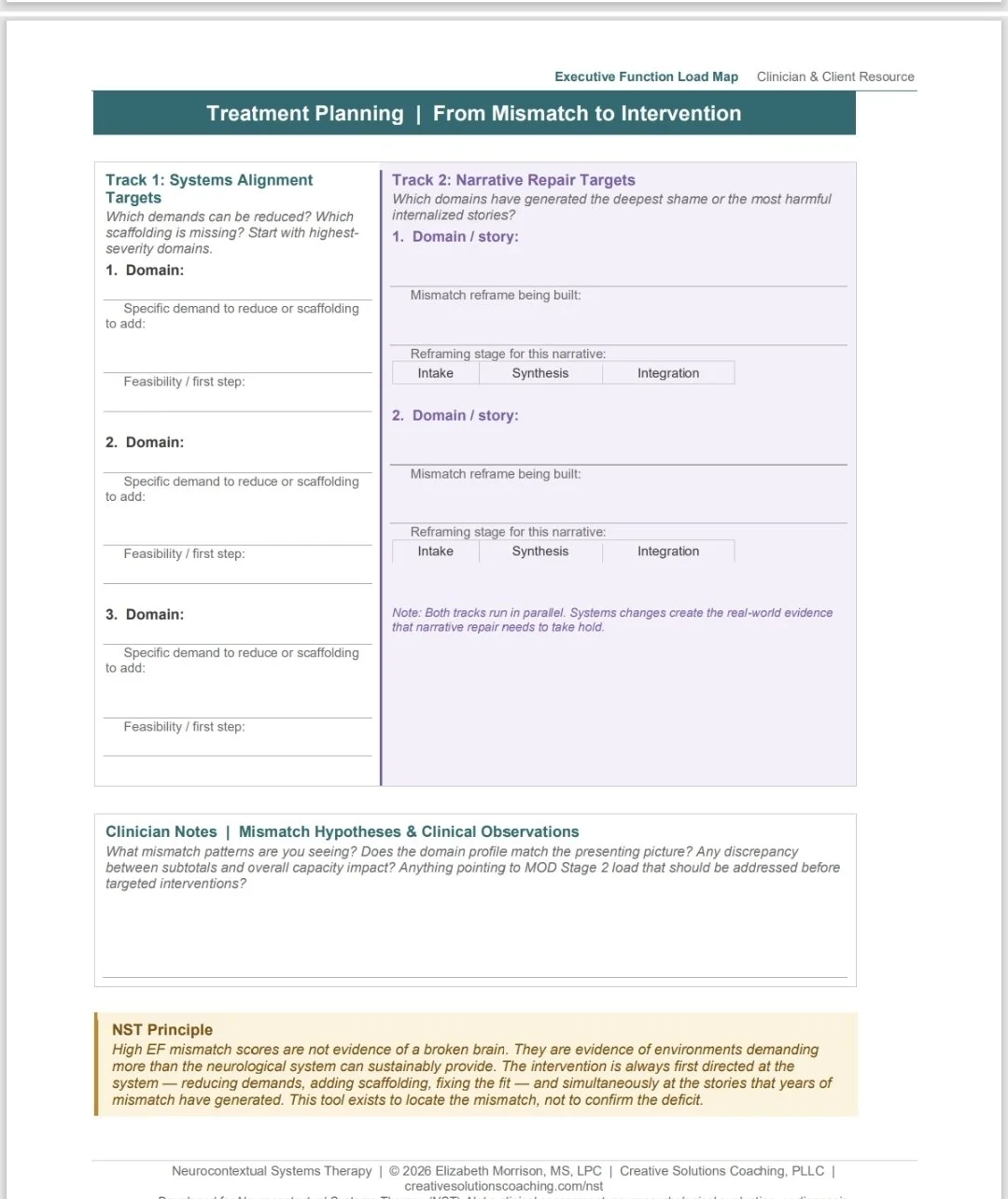
Executive Function Load Map: An EF Mismatch Tool for Clinicians
$9.99
Resilience Reserves Radar | Visual Resource Assessment
Sale Price:
$5.00
Original Price:
$9.99
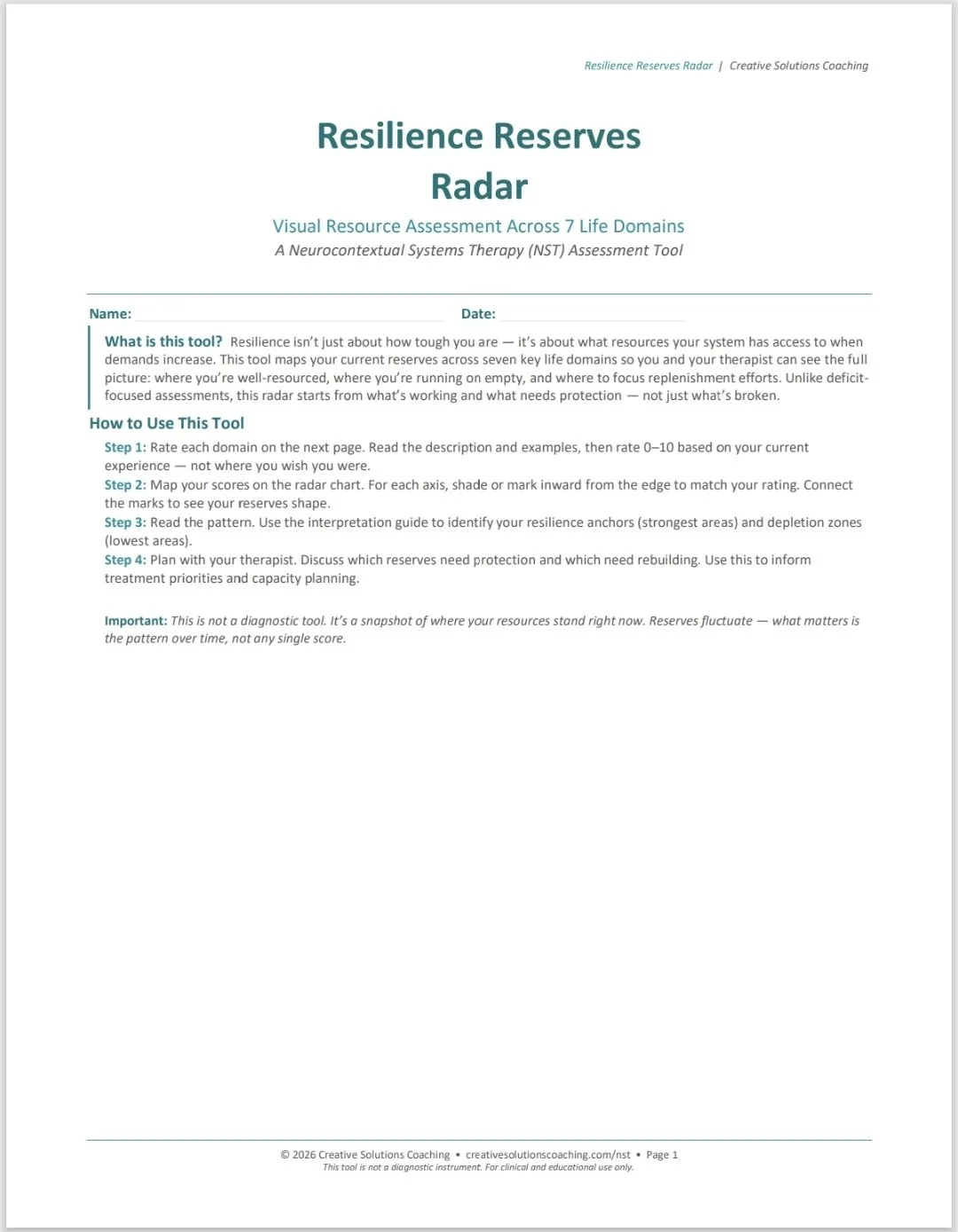
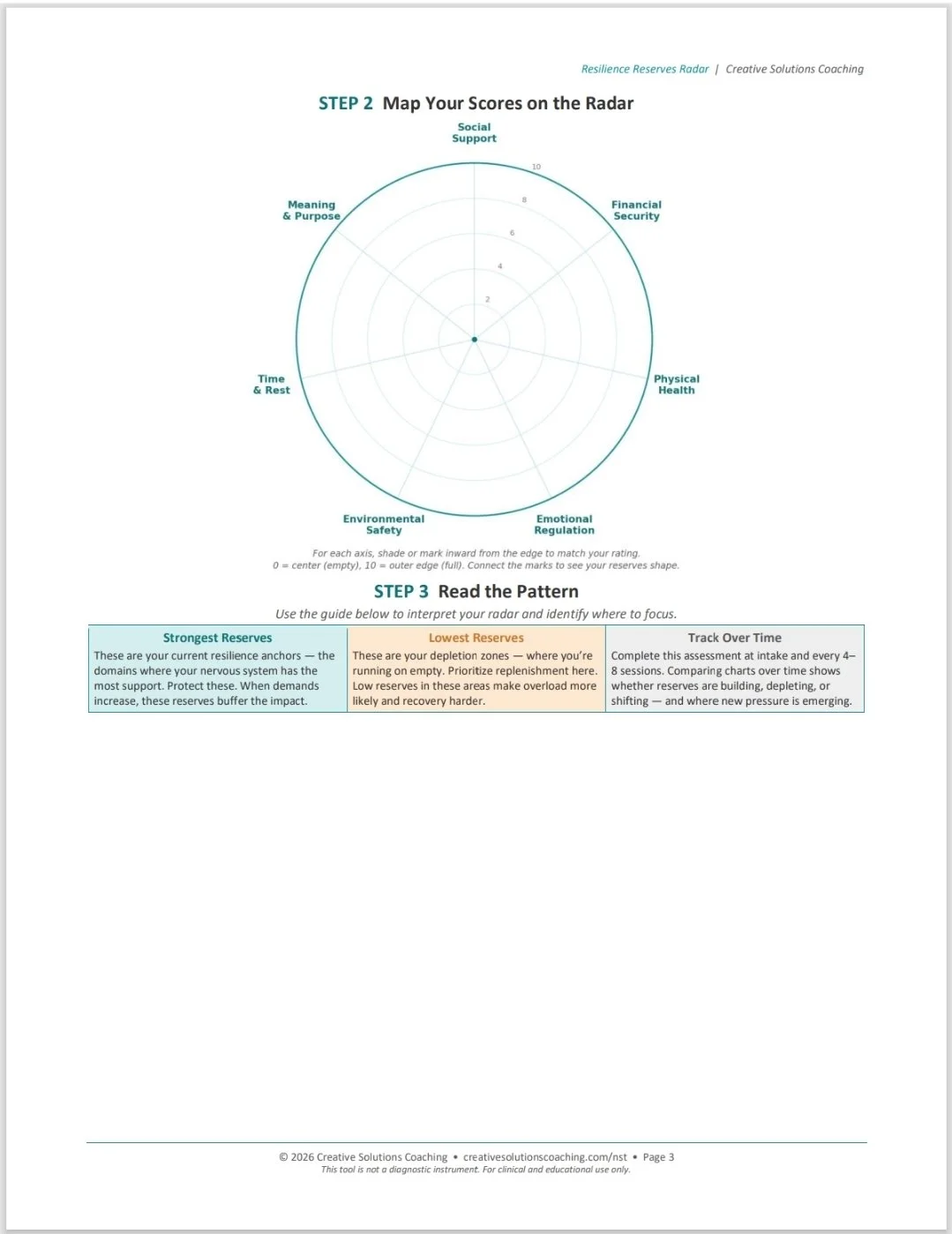
Resilience Reserves Radar
$1.99
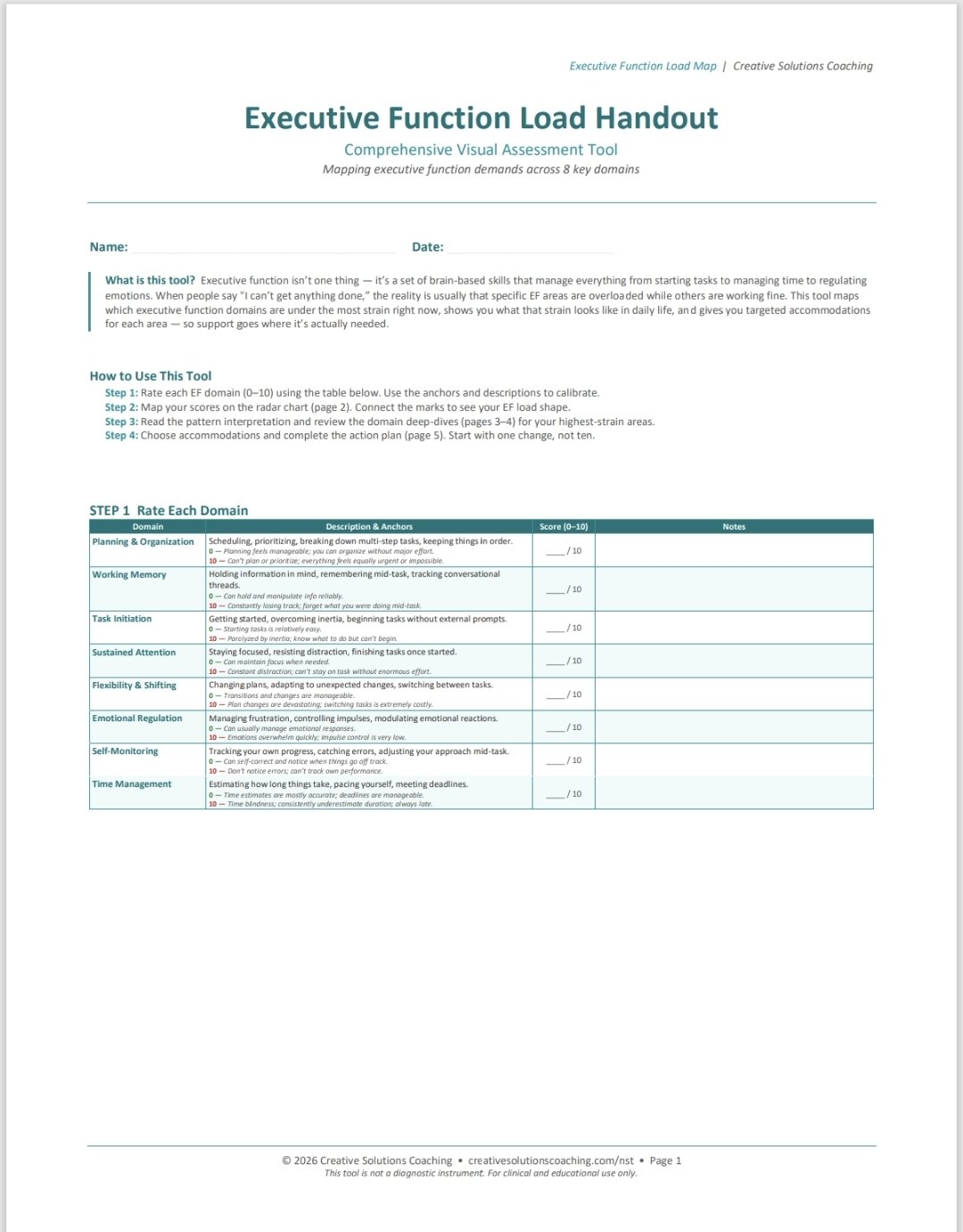
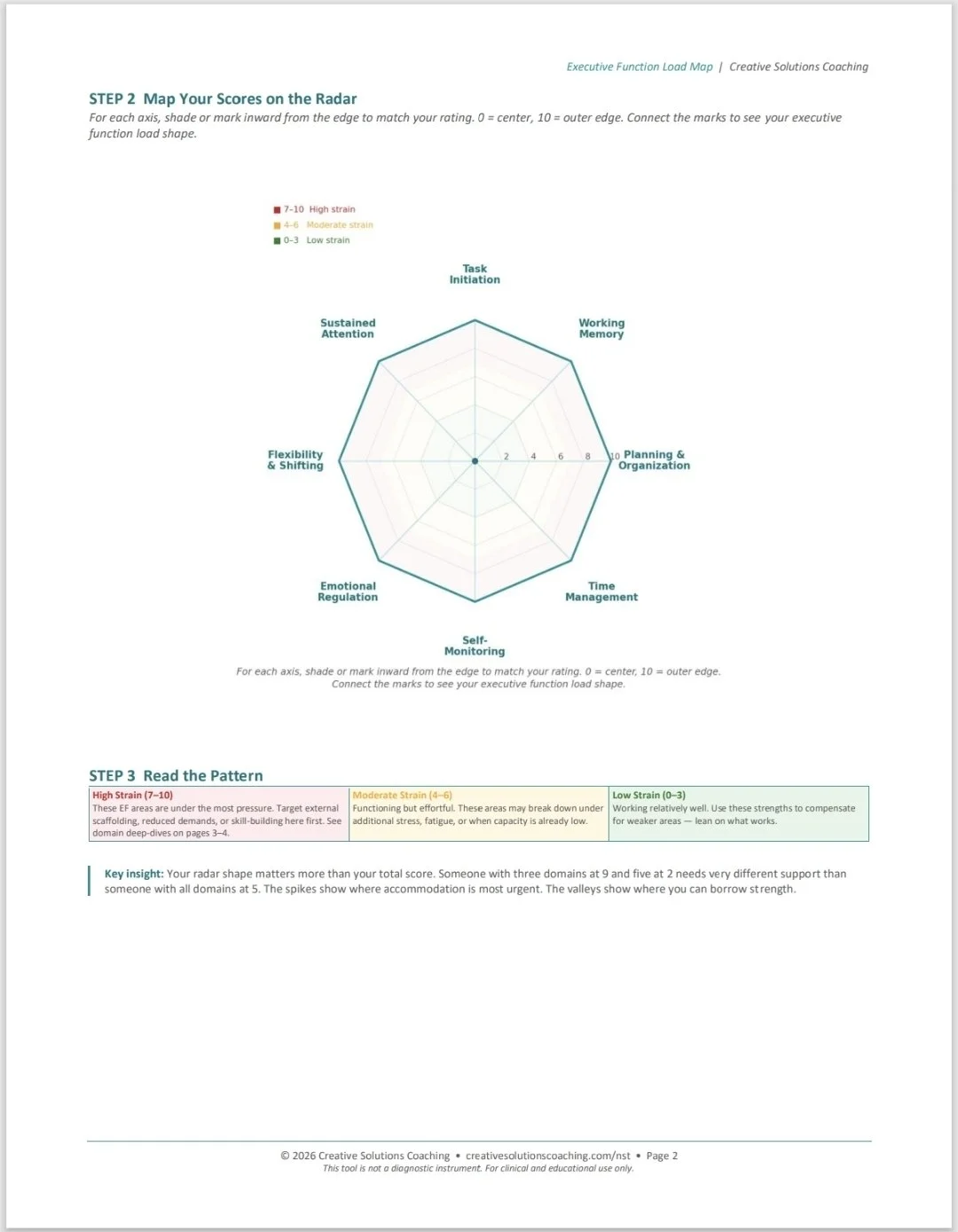
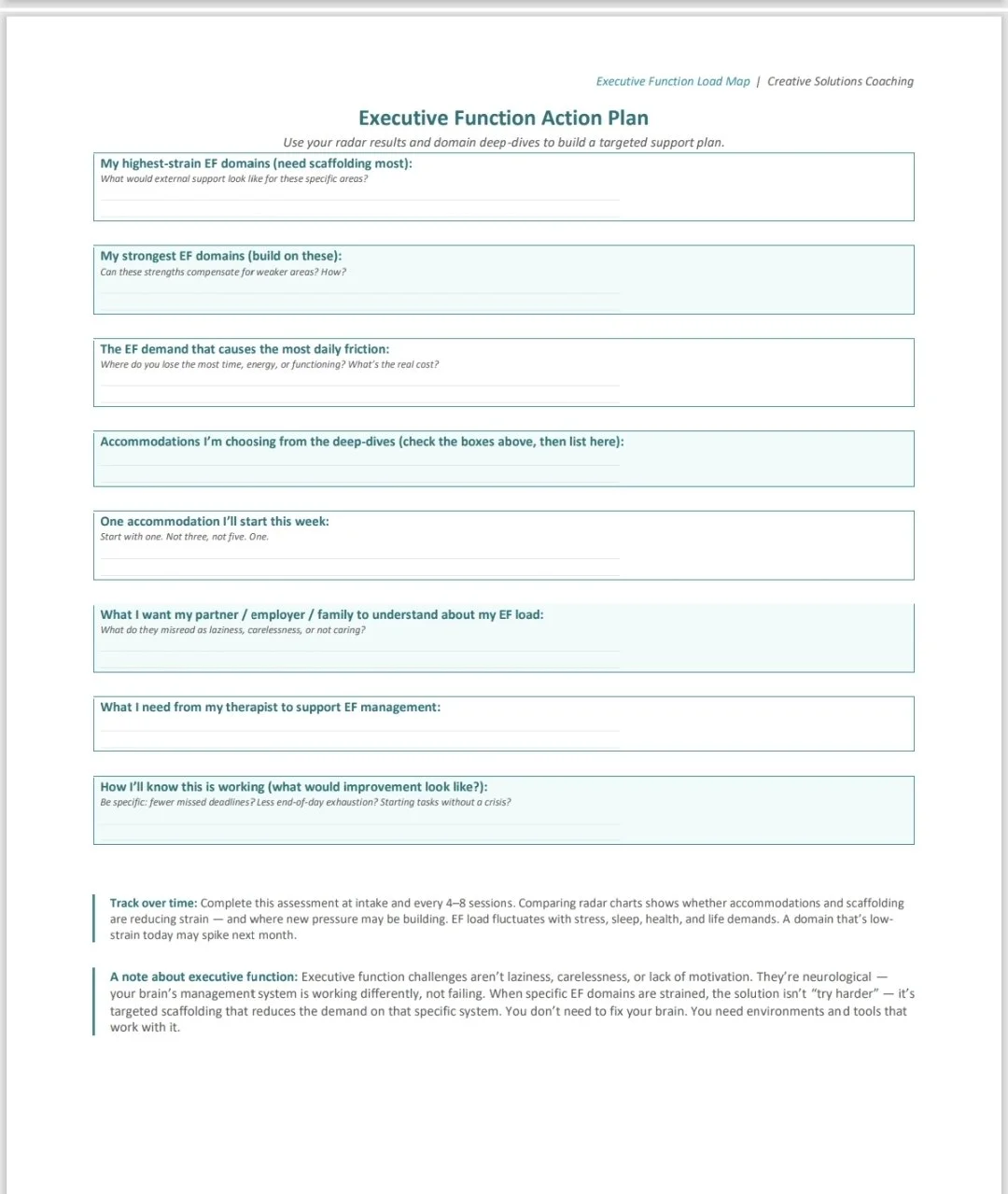
Executive Function Load Map
$0.00
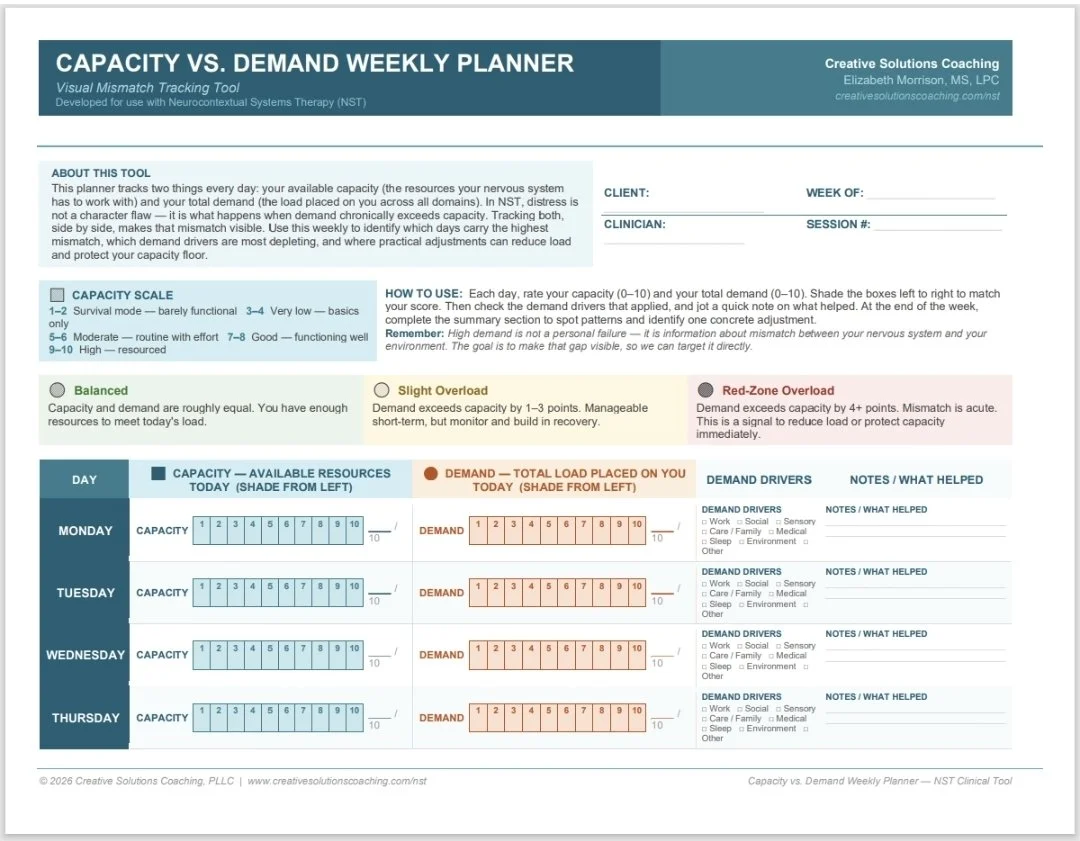
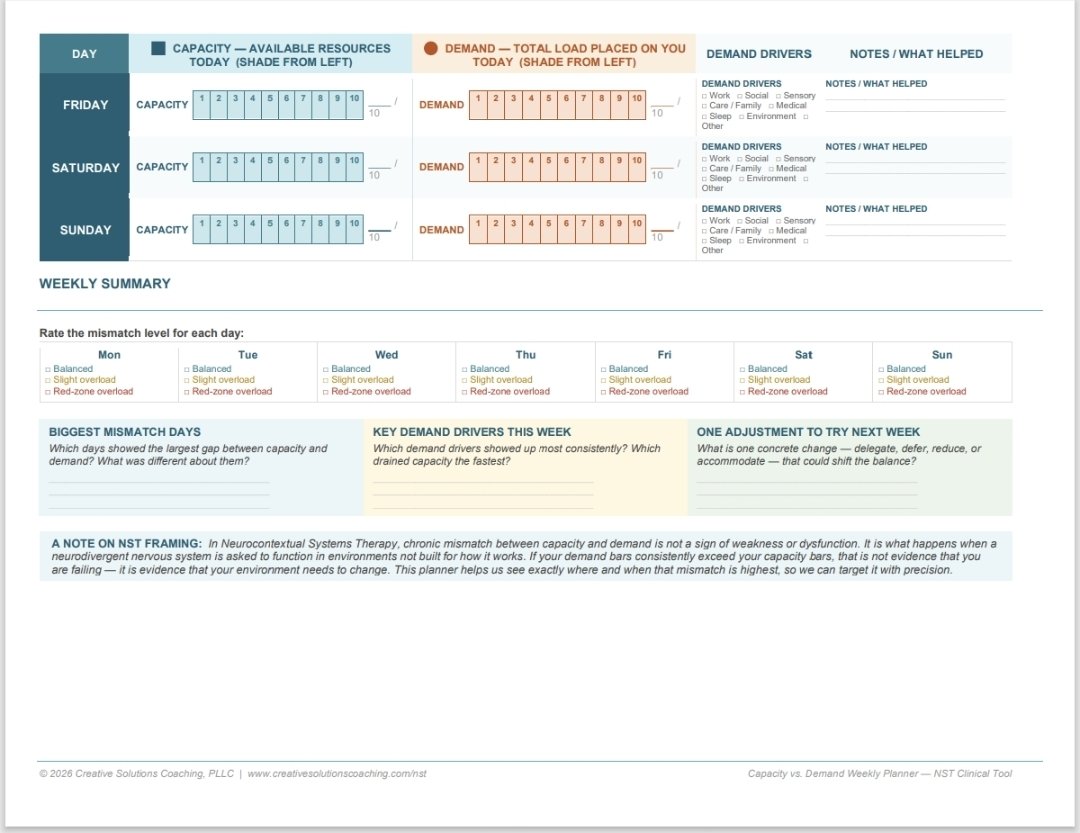
Capacity vs. Demand Weekly Planner
$0.00
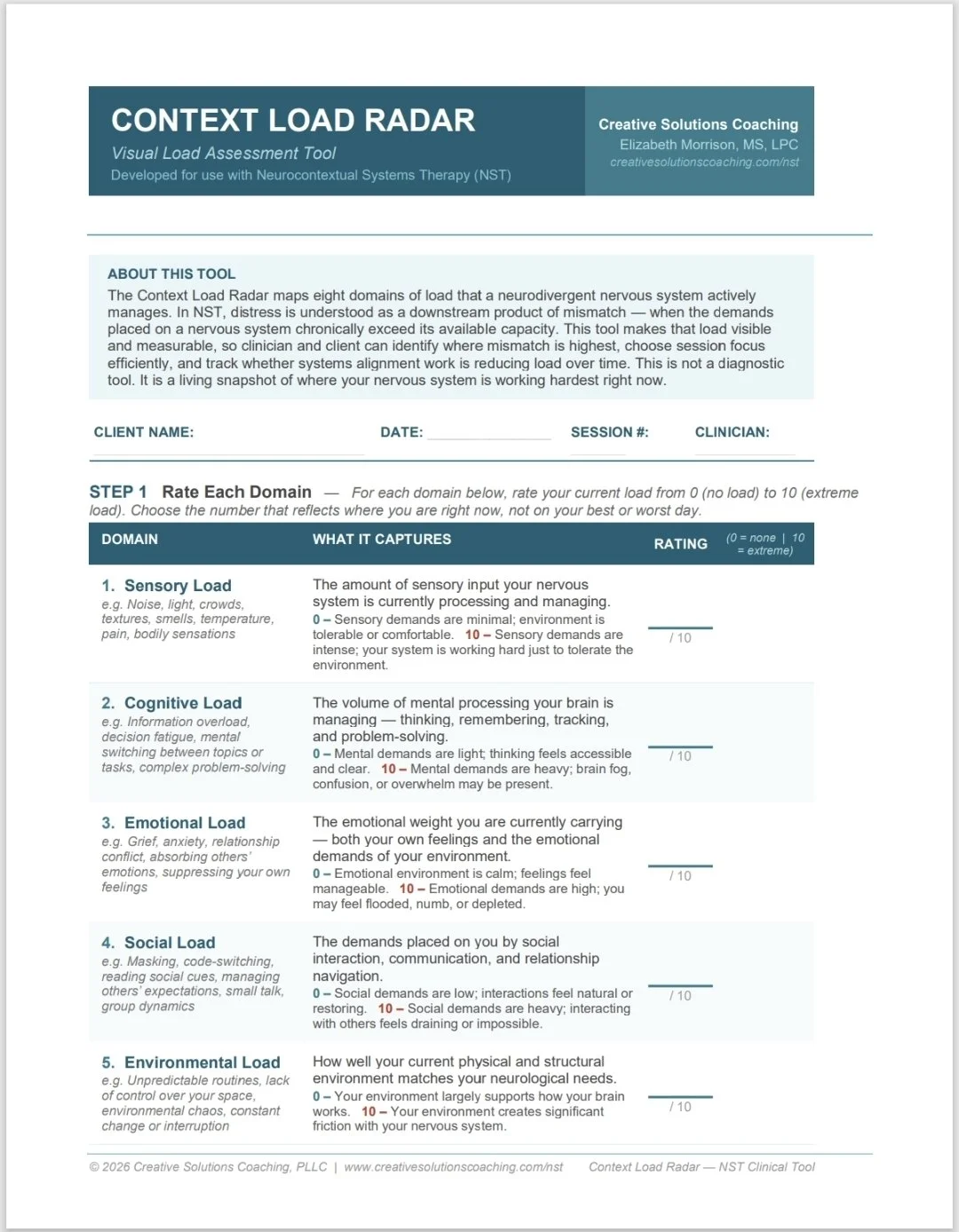
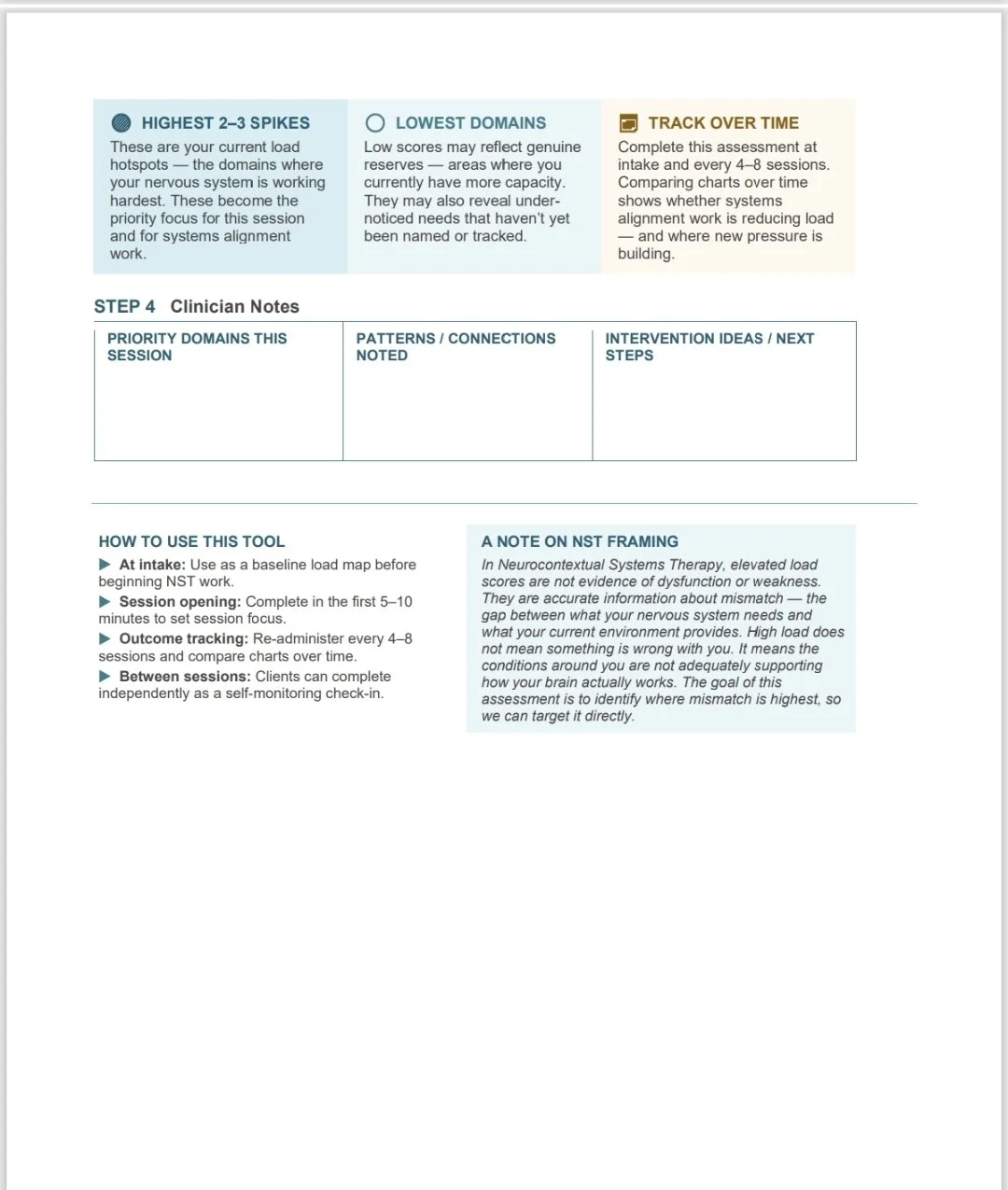
Context Load Radar — Visual Load Assessment Tool
$0.00
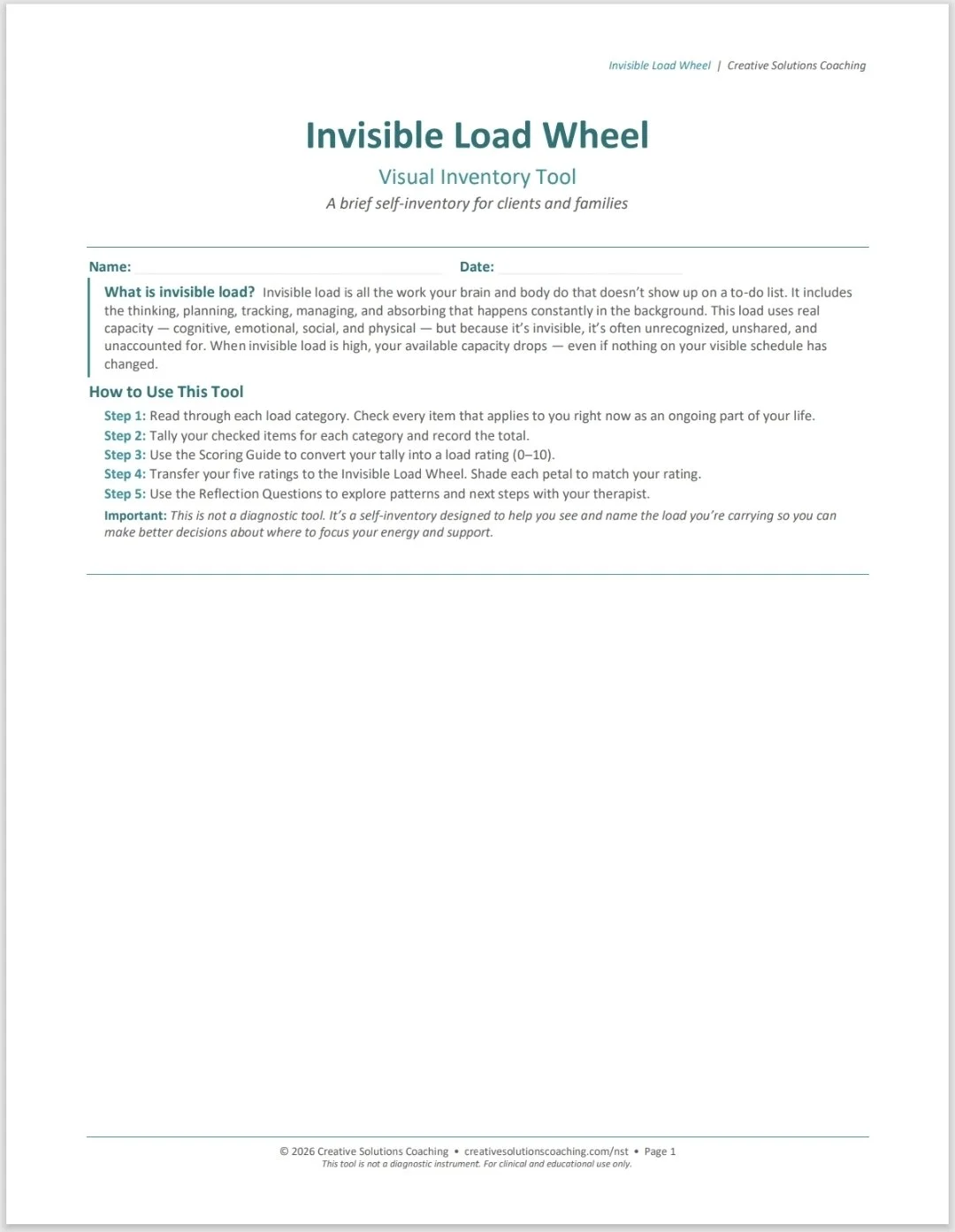
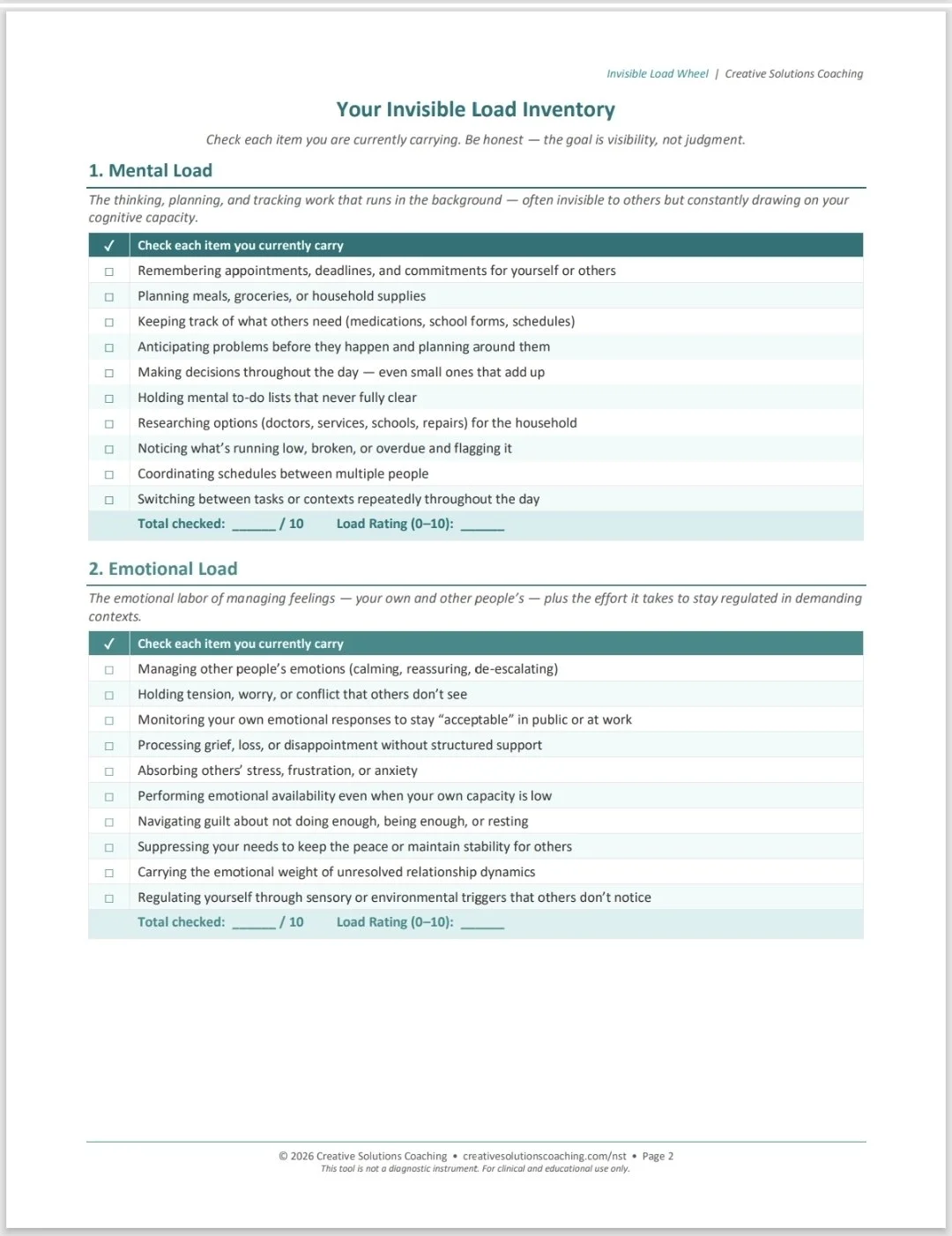
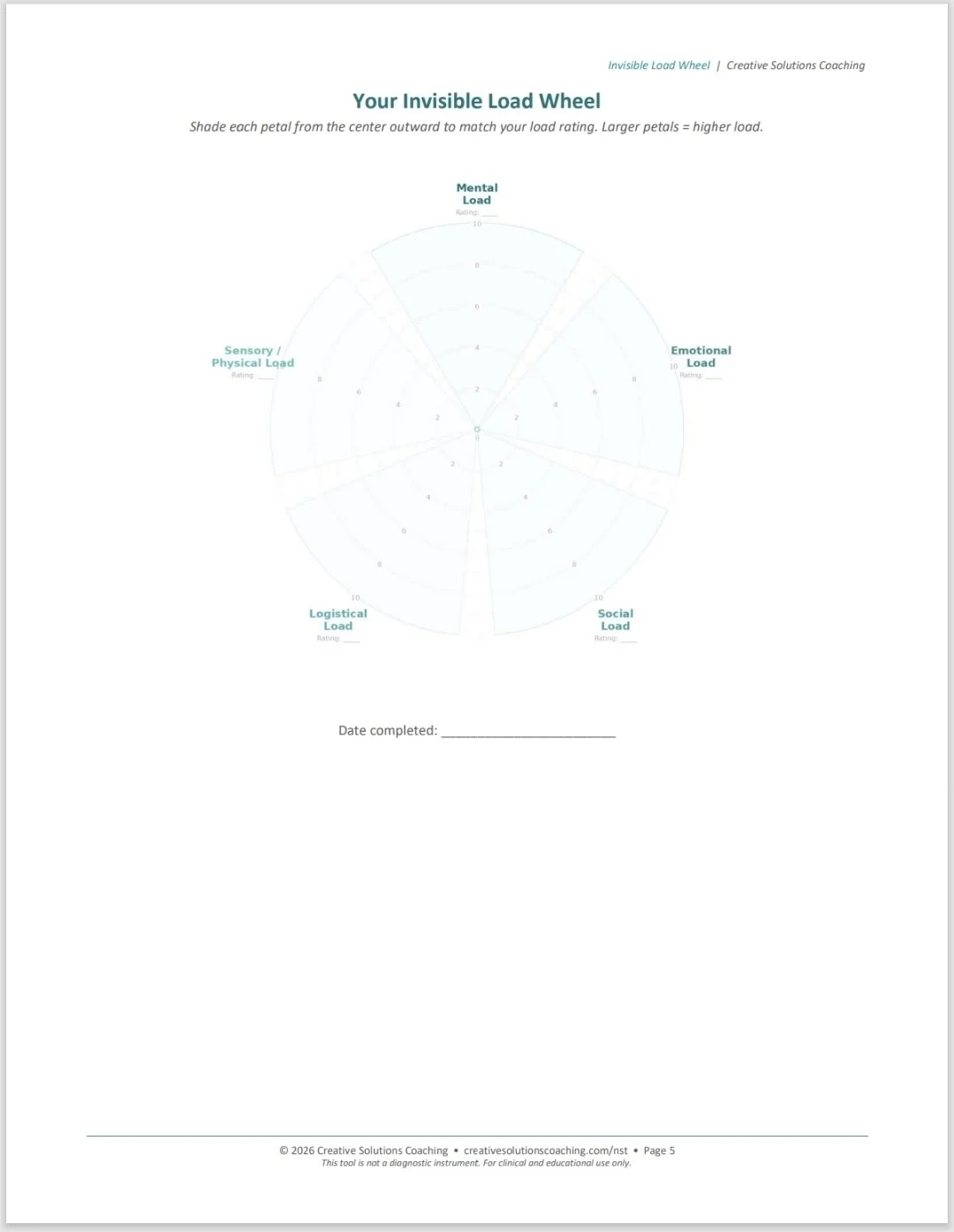
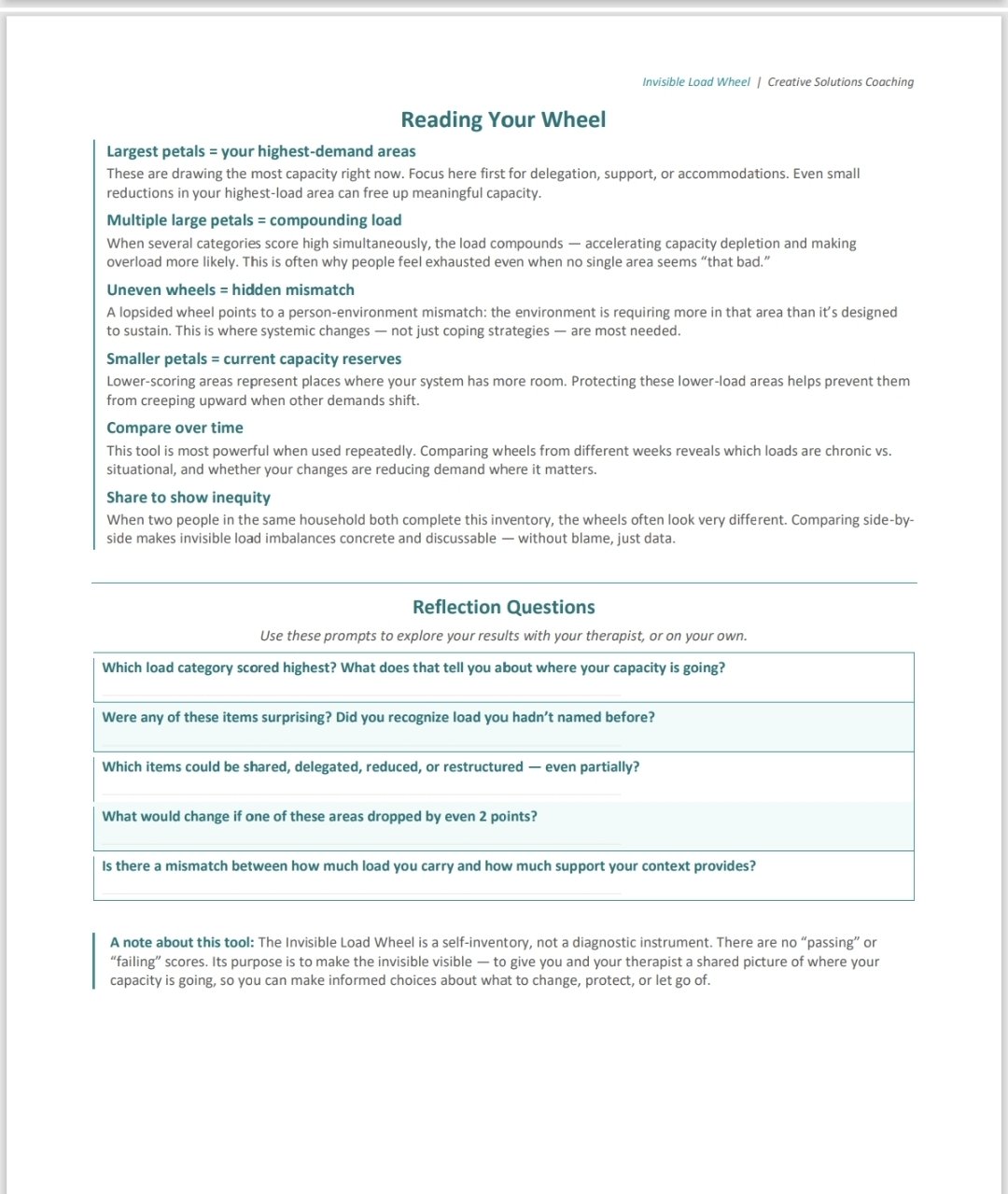
Invisible Load Wheel — Visual Inventory Tool
$4.99
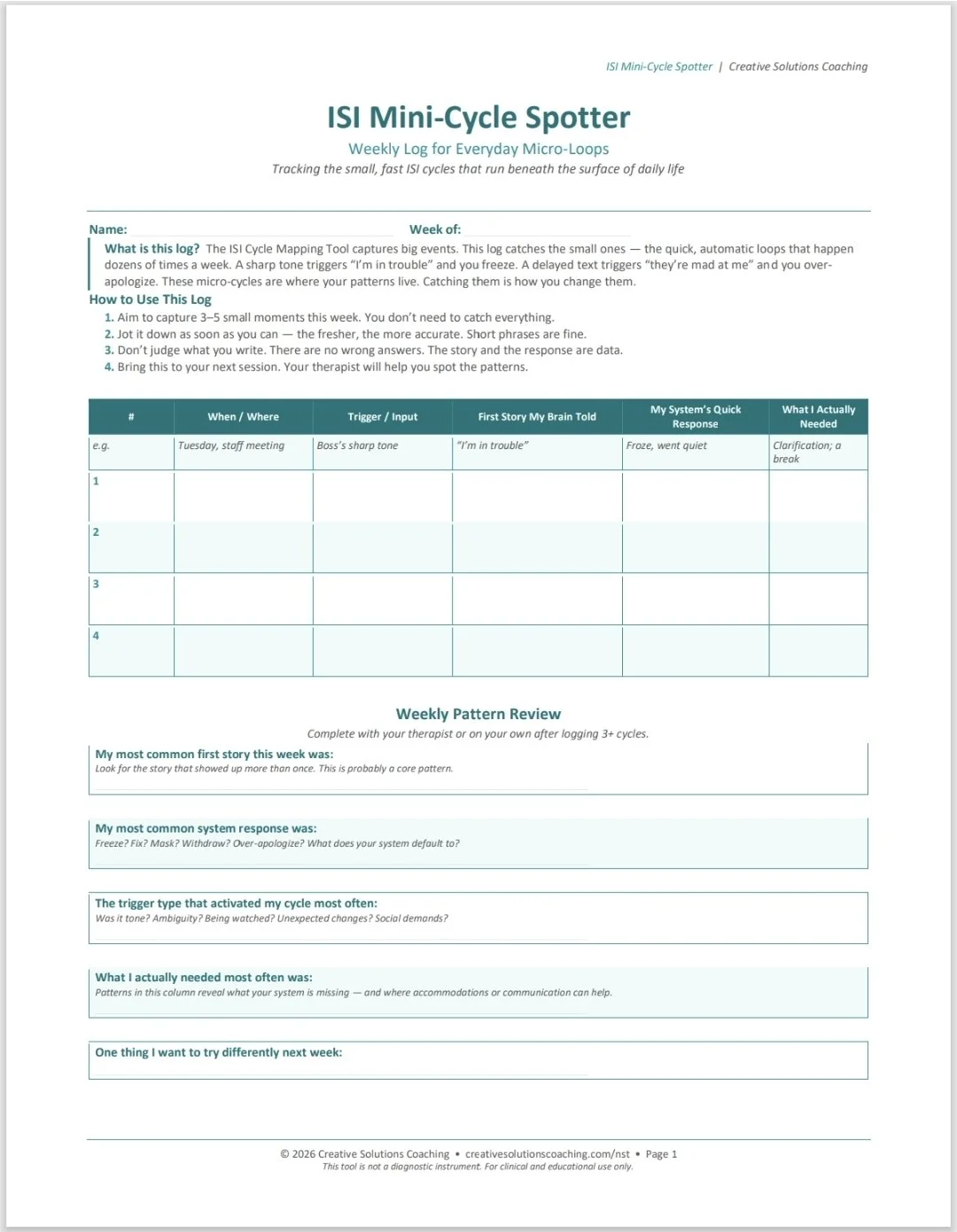
ISI Mini-Cycle Spotter
$0.00
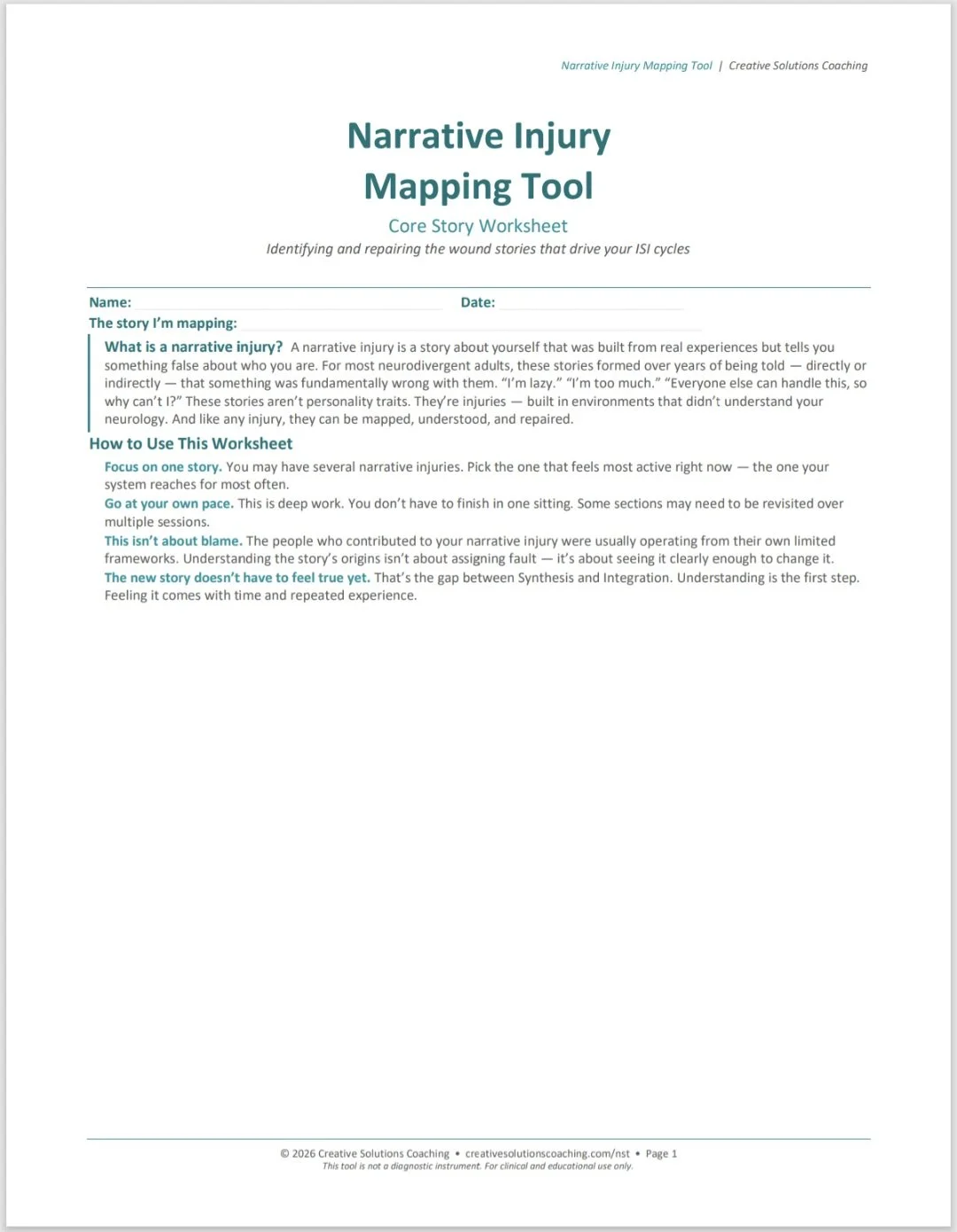
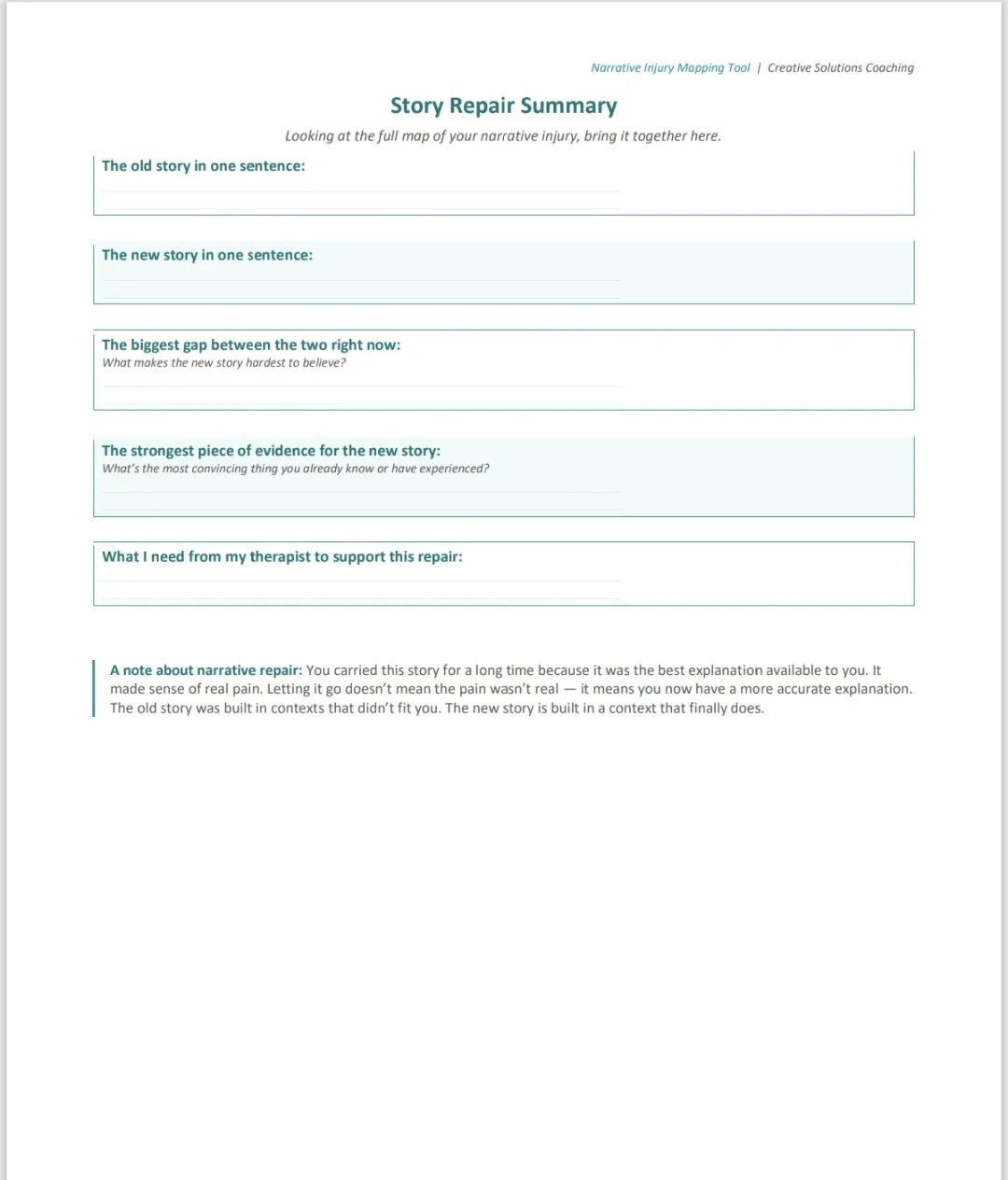
Narrative Injury Mapping Tool
$1.99

Overload Pattern Tracker
$0.00
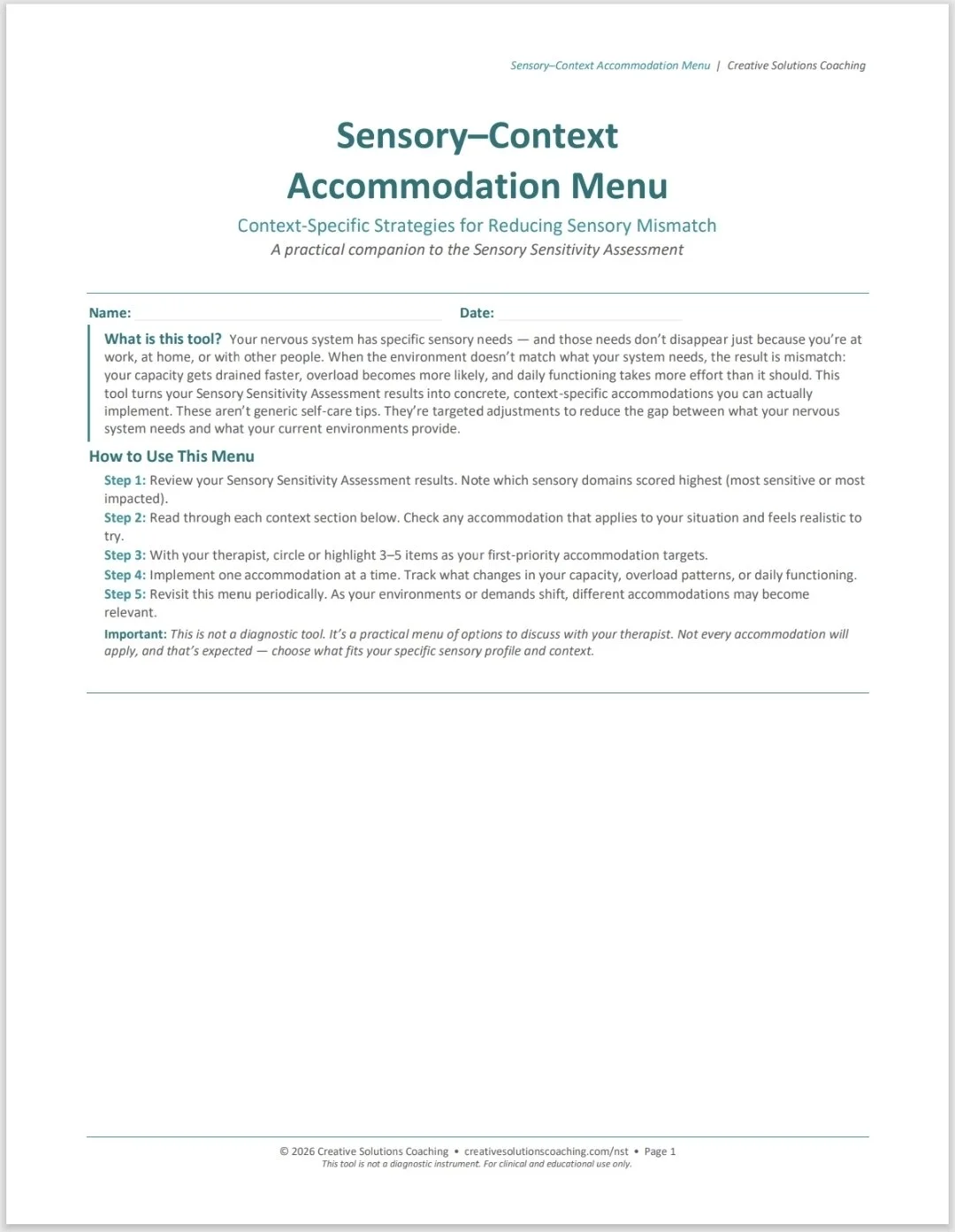
Sensory–Context Accommodation Menu
$0.99
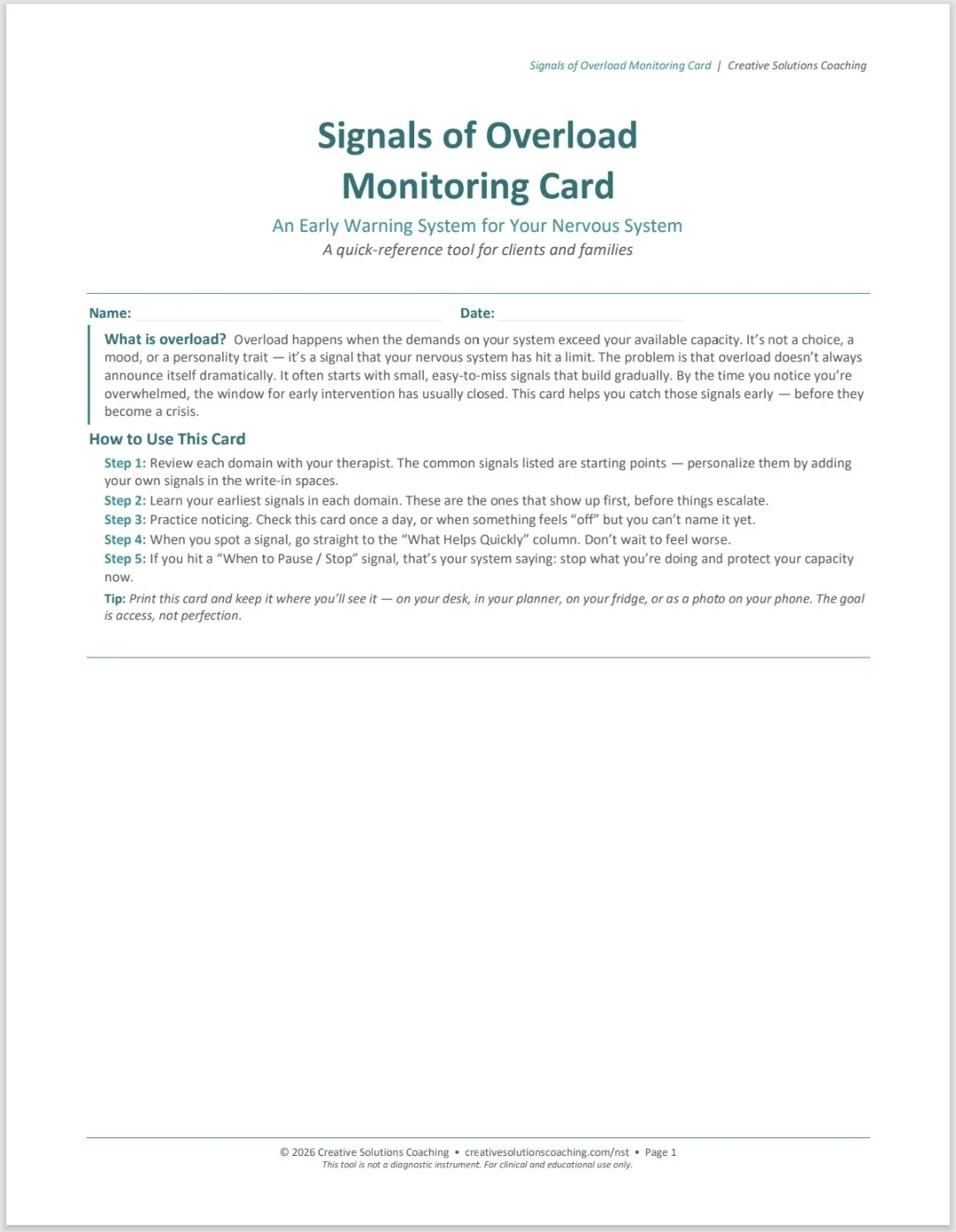
Signals of Overload Monitoring Card
$1.99
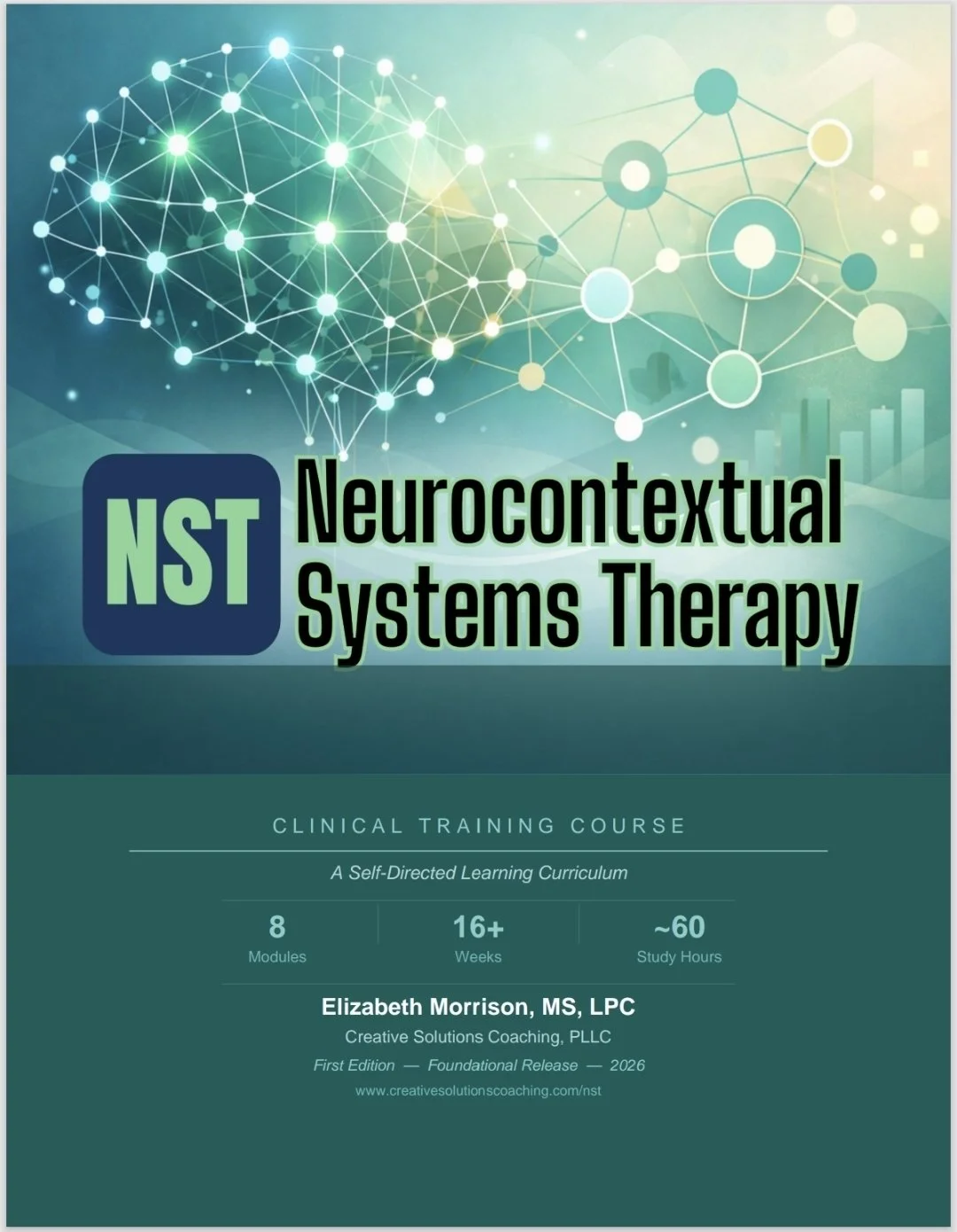
NST Clinical Training Curriculum — Self-Directed Course Guide
$9.00
NST Clinical Training Manual — Neurocontextual Systems Therapy
$35.00
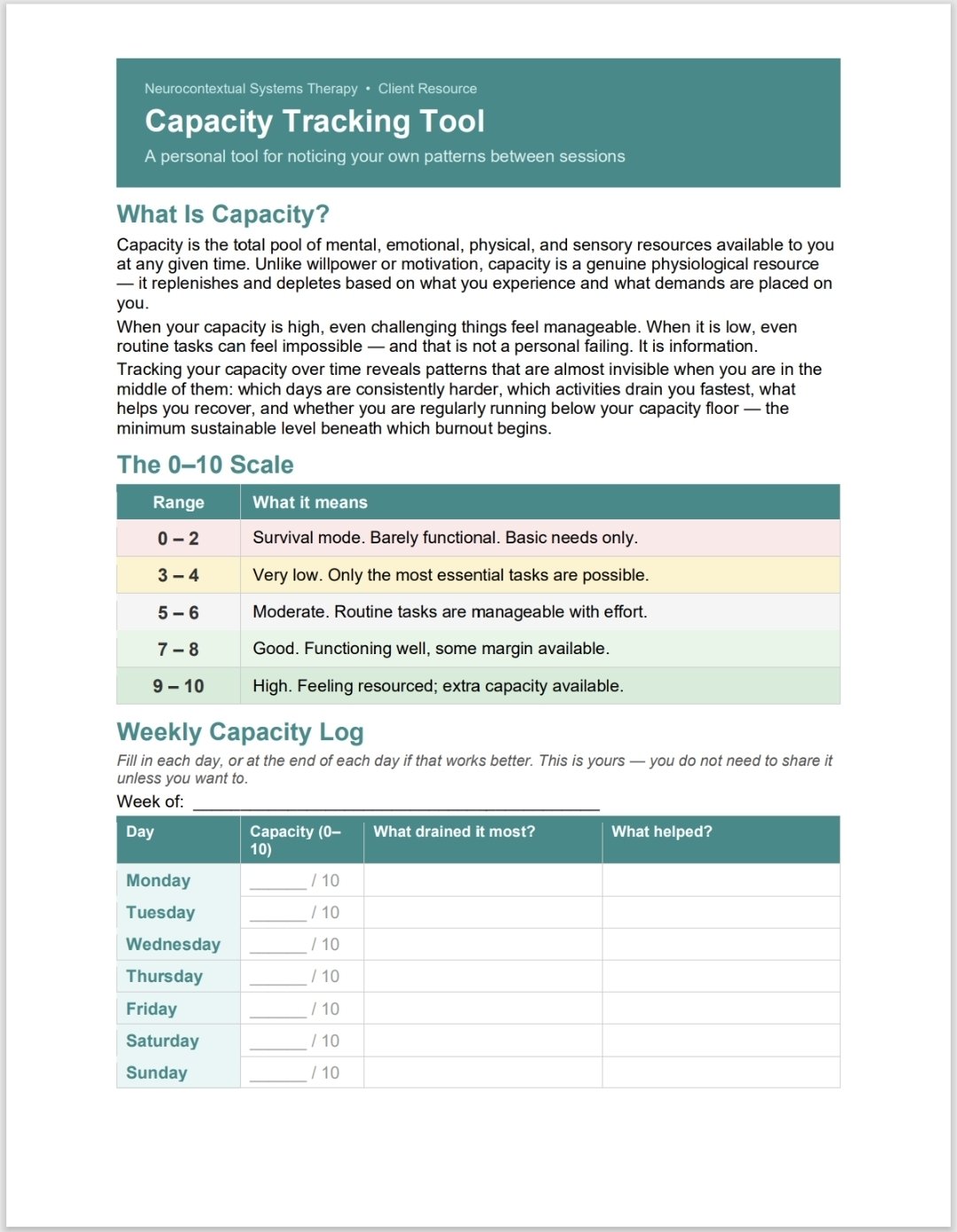
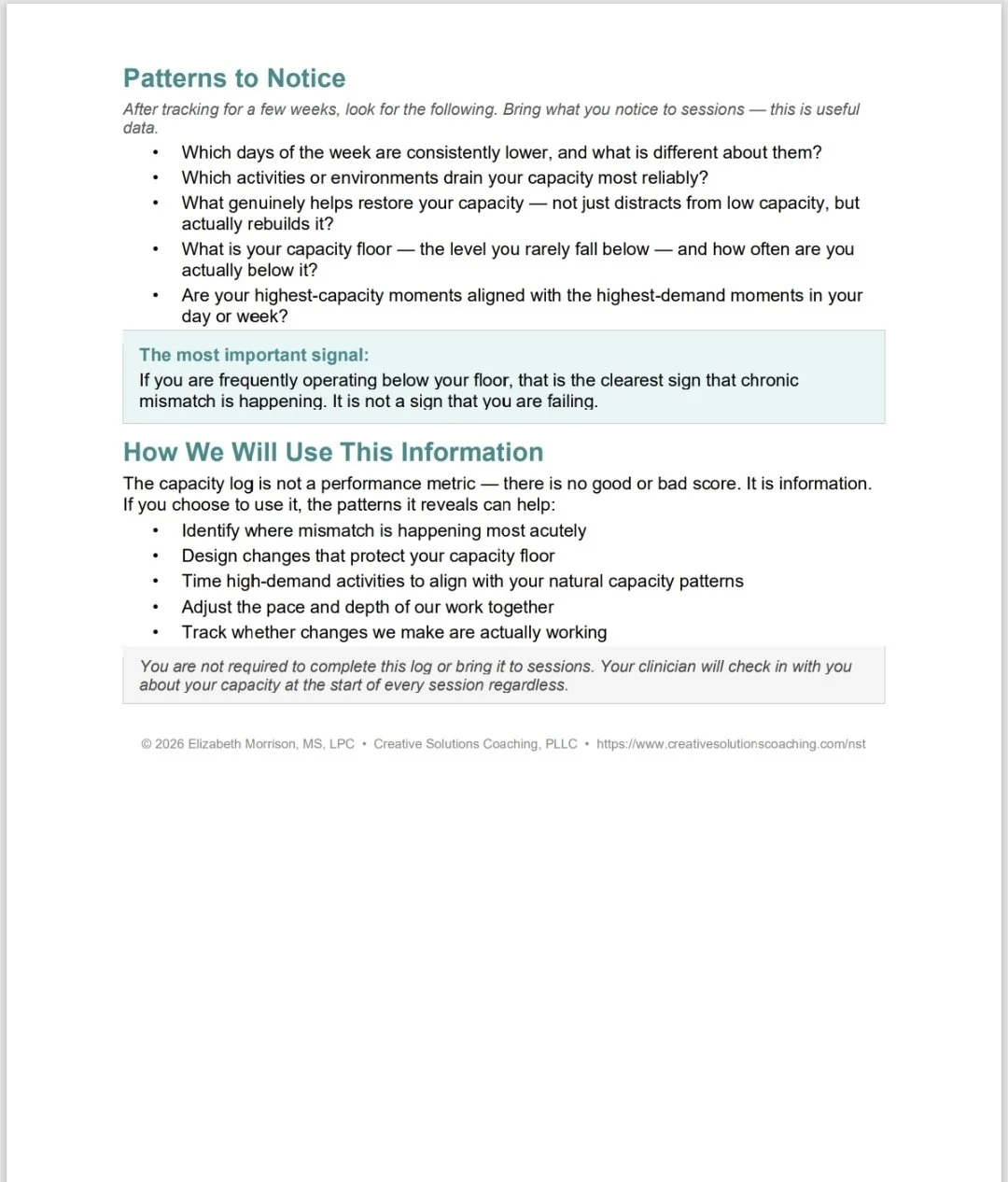
Capacity Tracking Tool — A Weekly Self-Monitoring Log for Neurocontextual Systems Therapy (NST)
$0.00
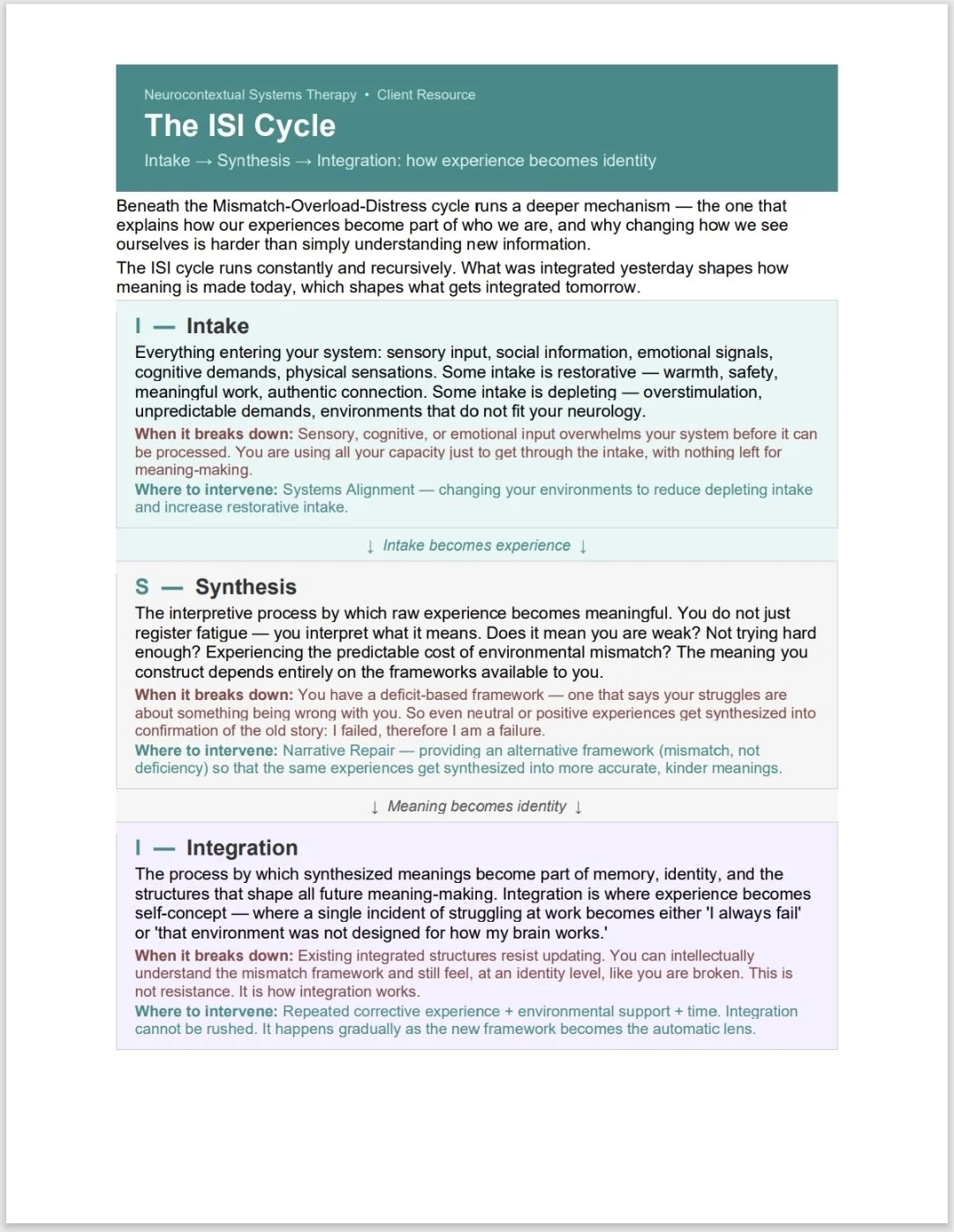
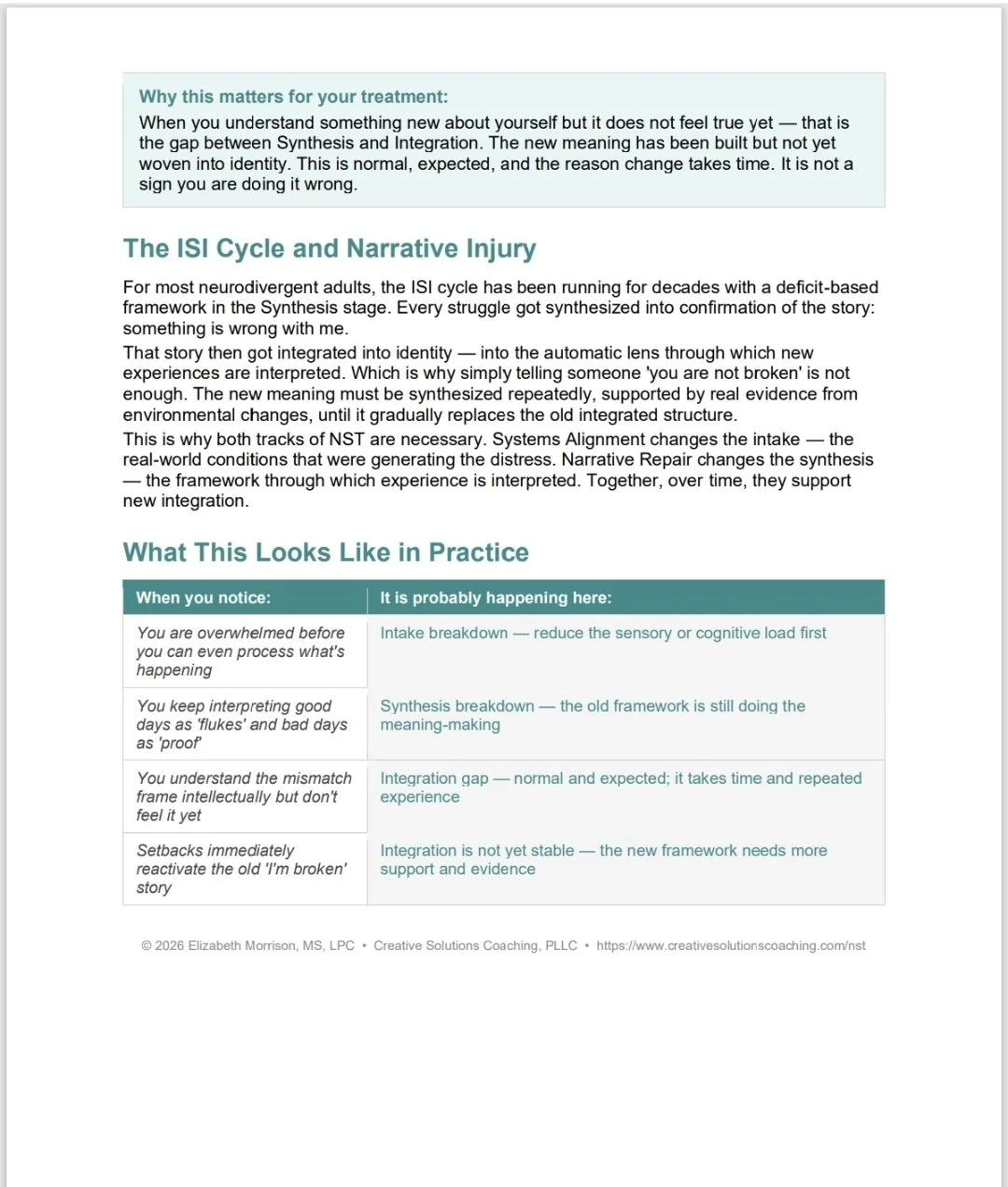
The ISI Cycle: Intake, Synthesis, Integration — A Client Explainer for Neurocontextual Systems Therapy (NST)
$0.00
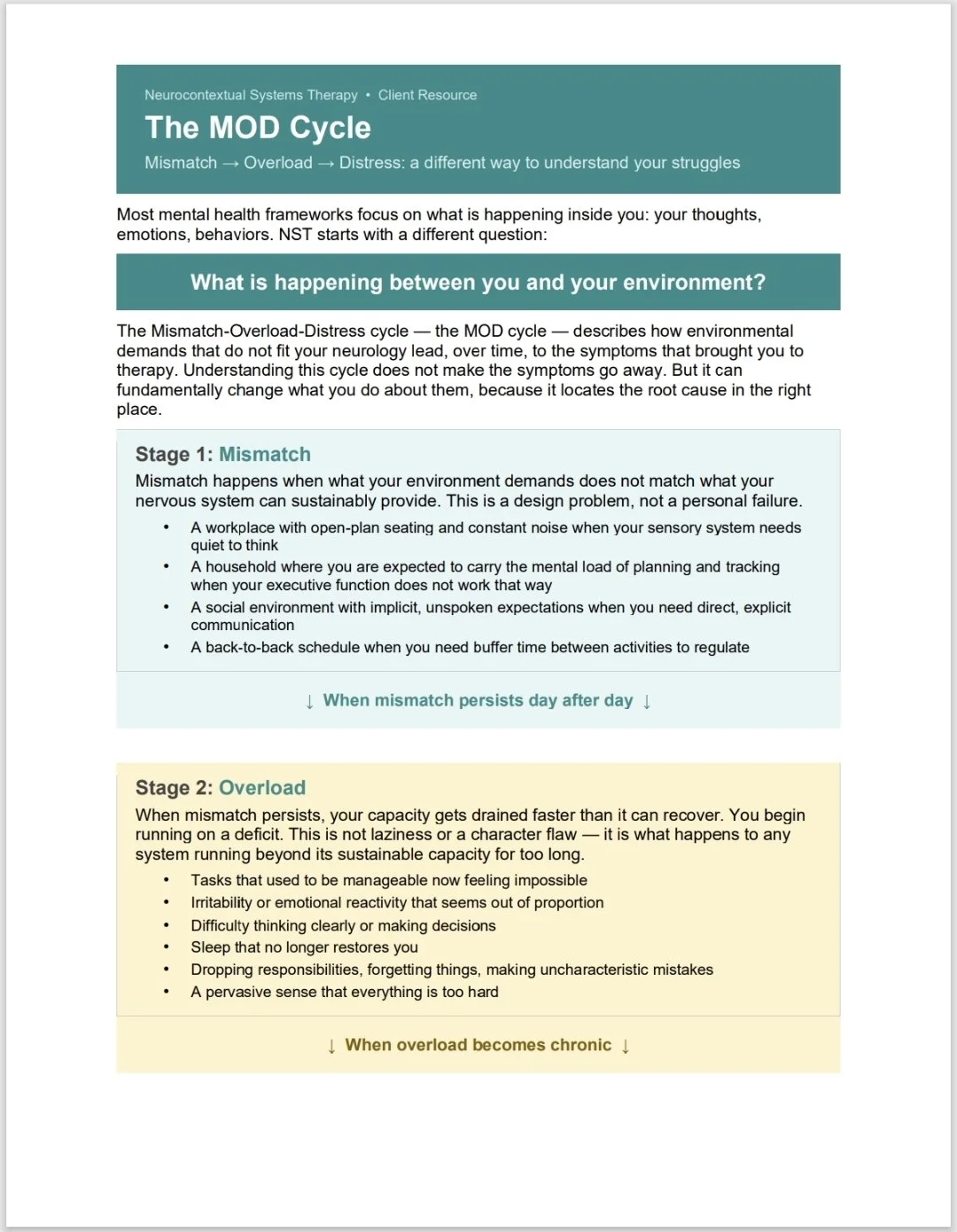
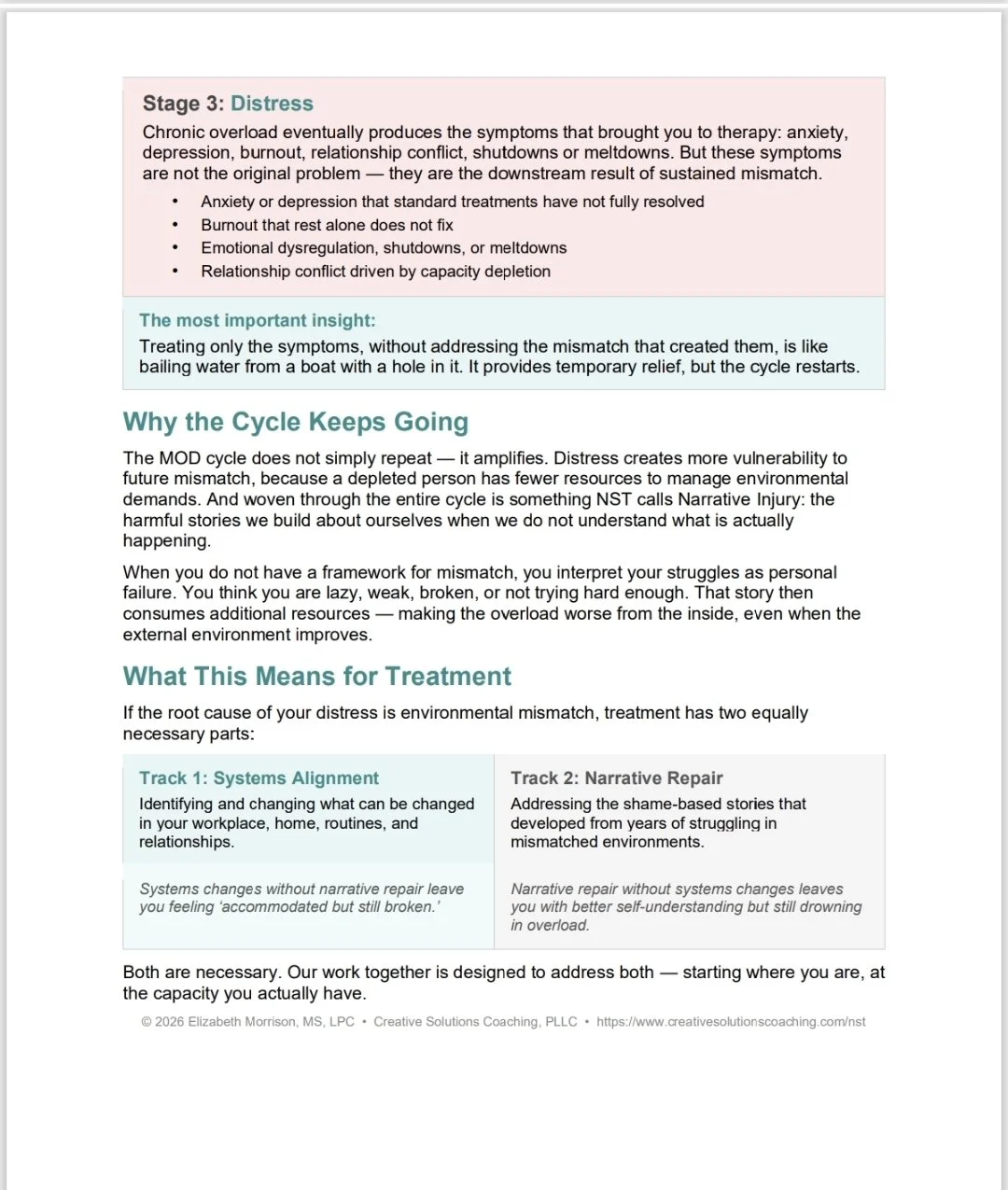
The MOD Cycle: Mismatch, Overload, Distress — A Client Explainer for Neurocontextual Systems Therapy (NST)
$0.99
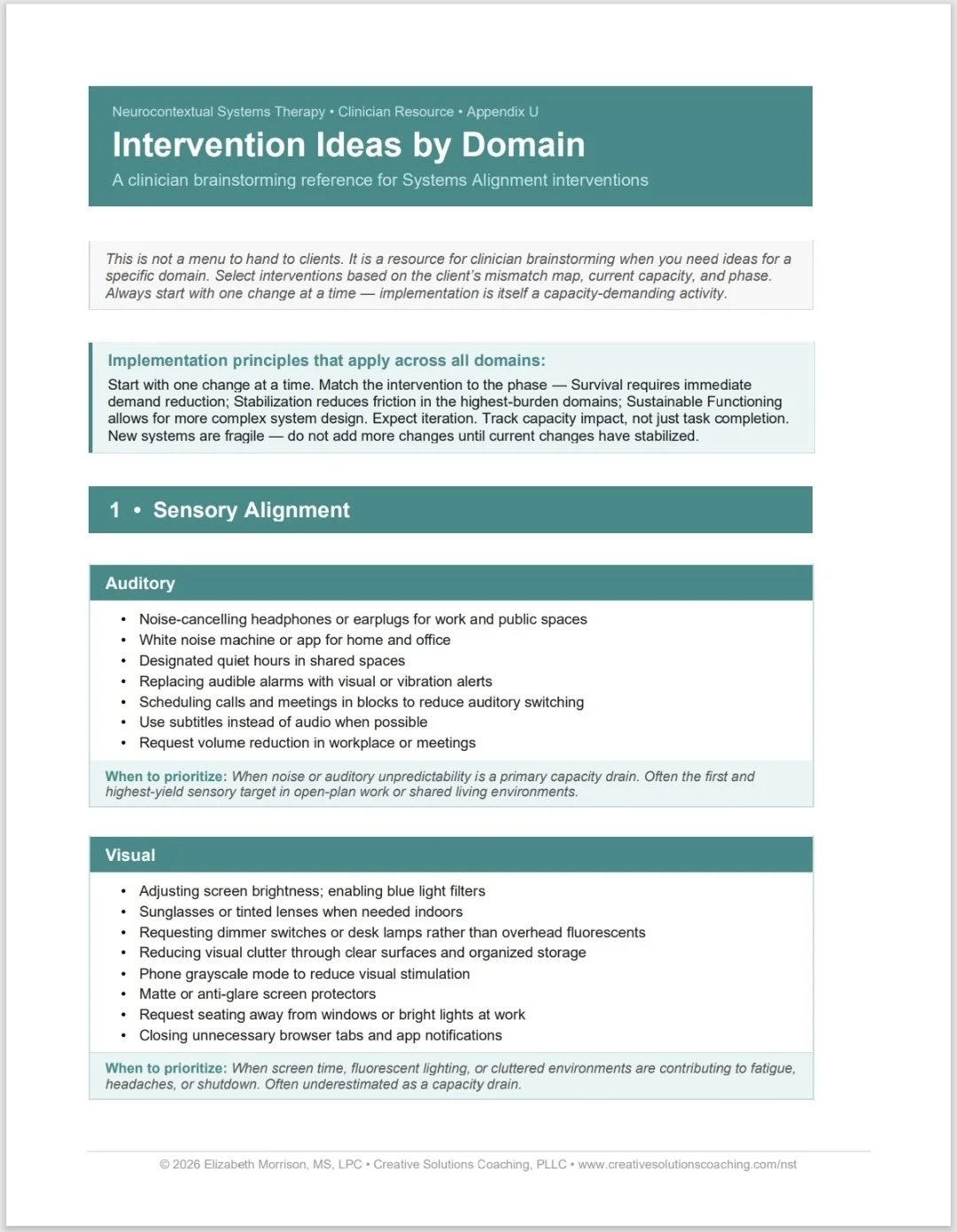
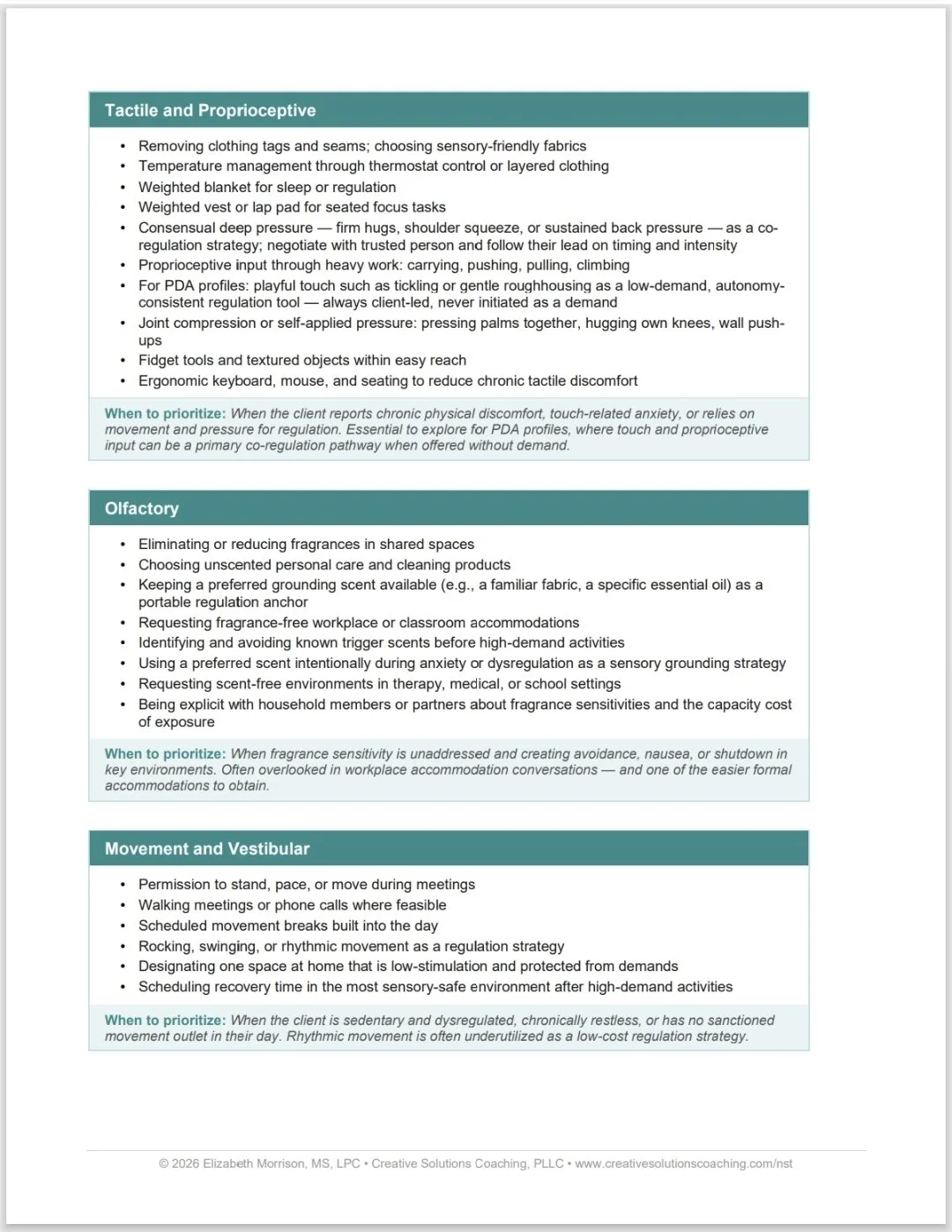
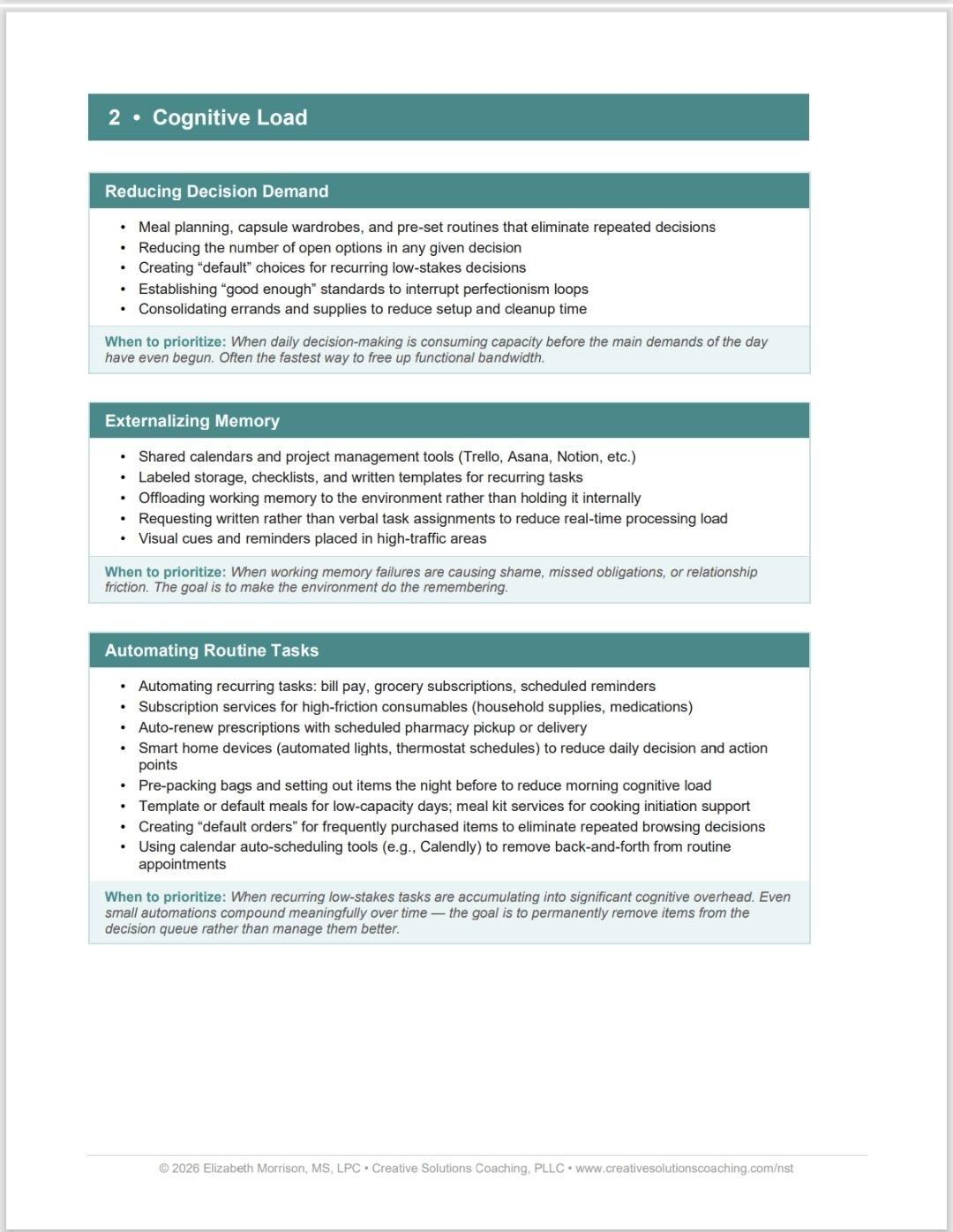
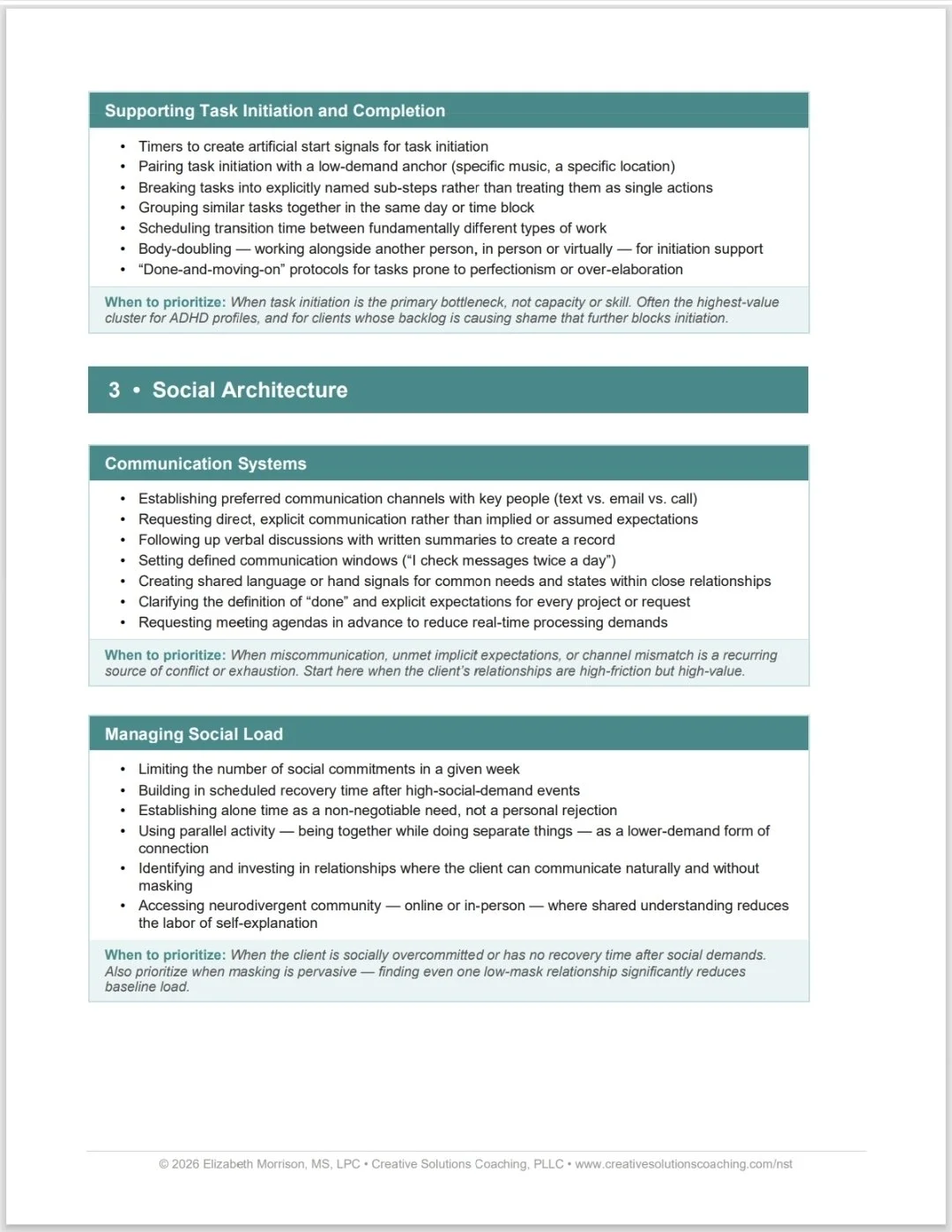
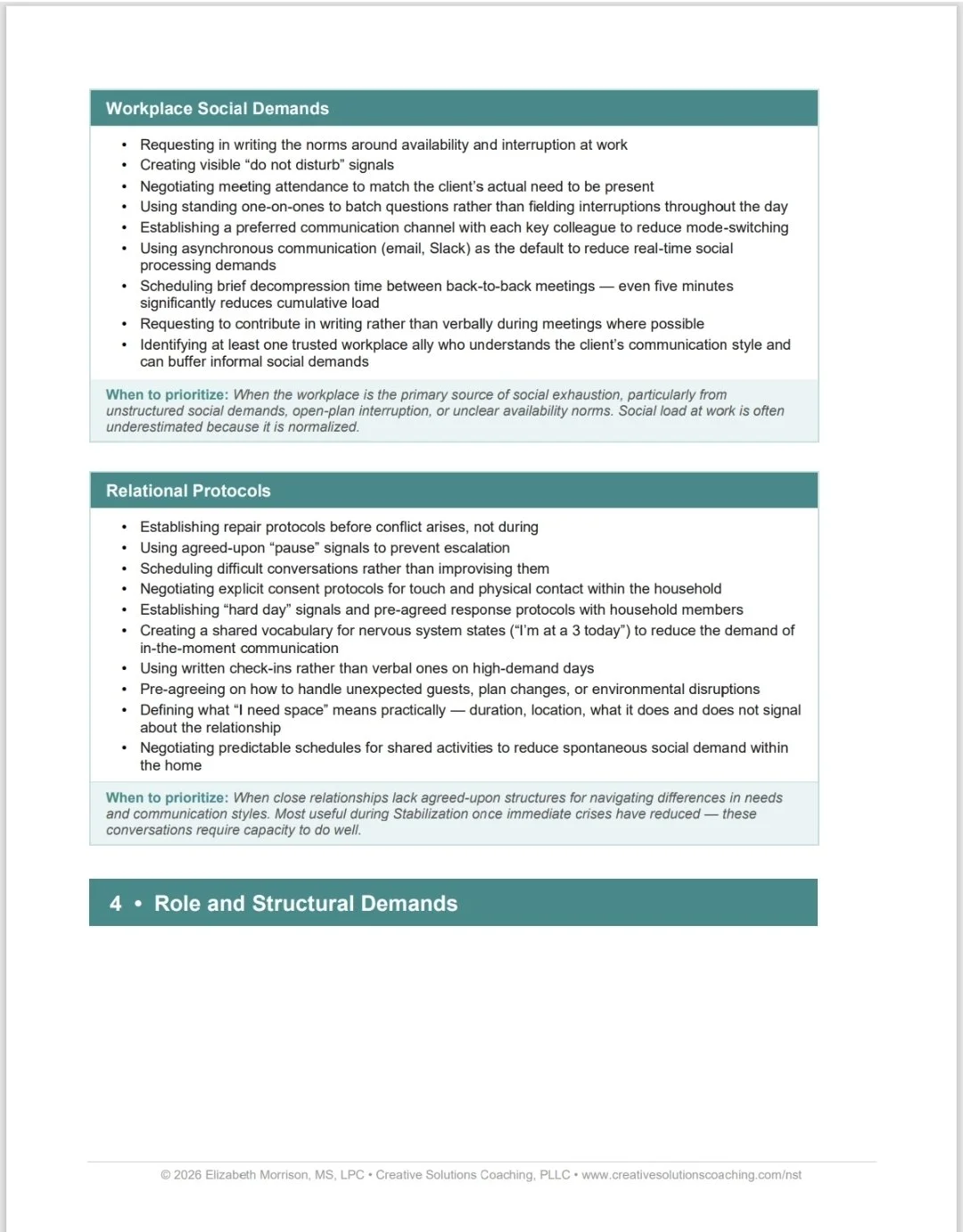
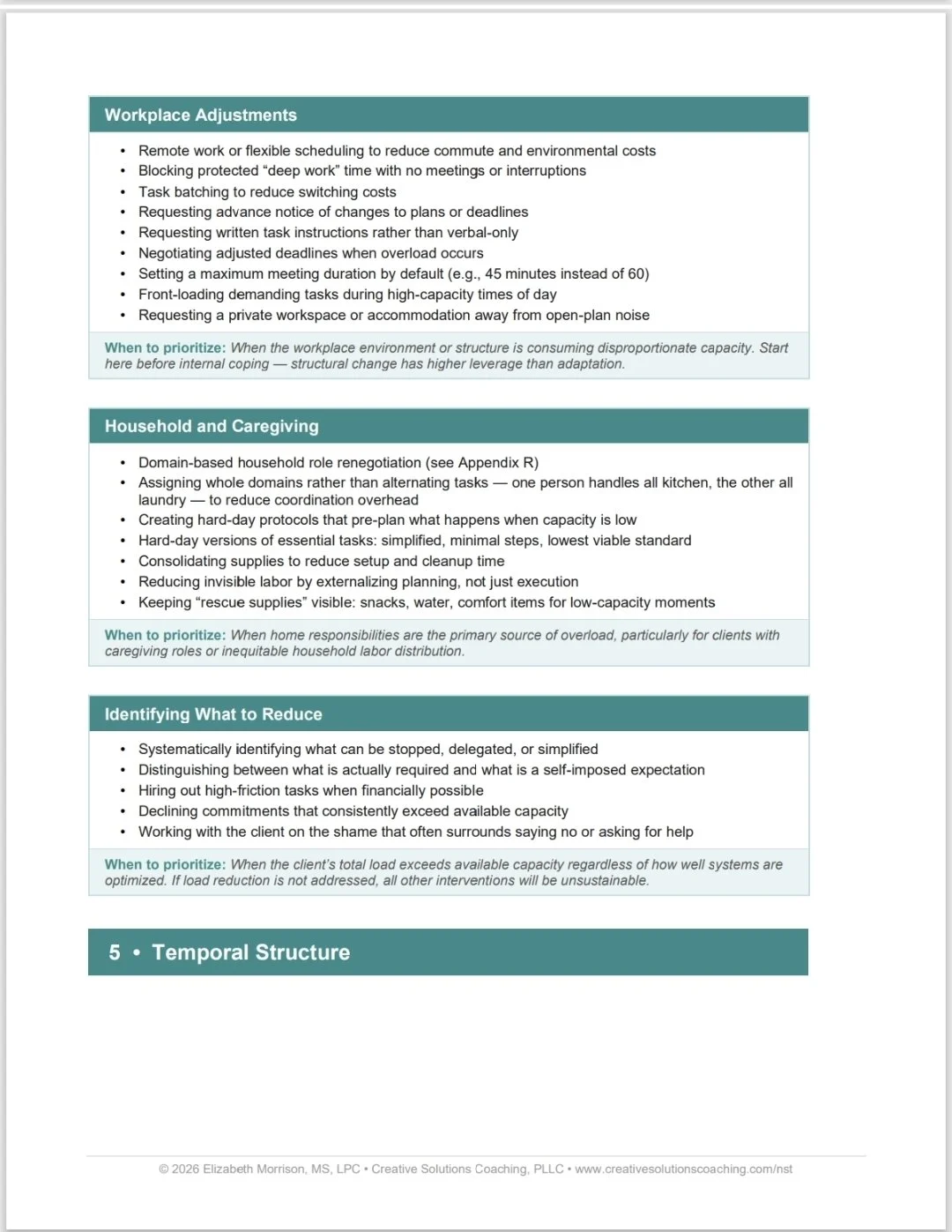
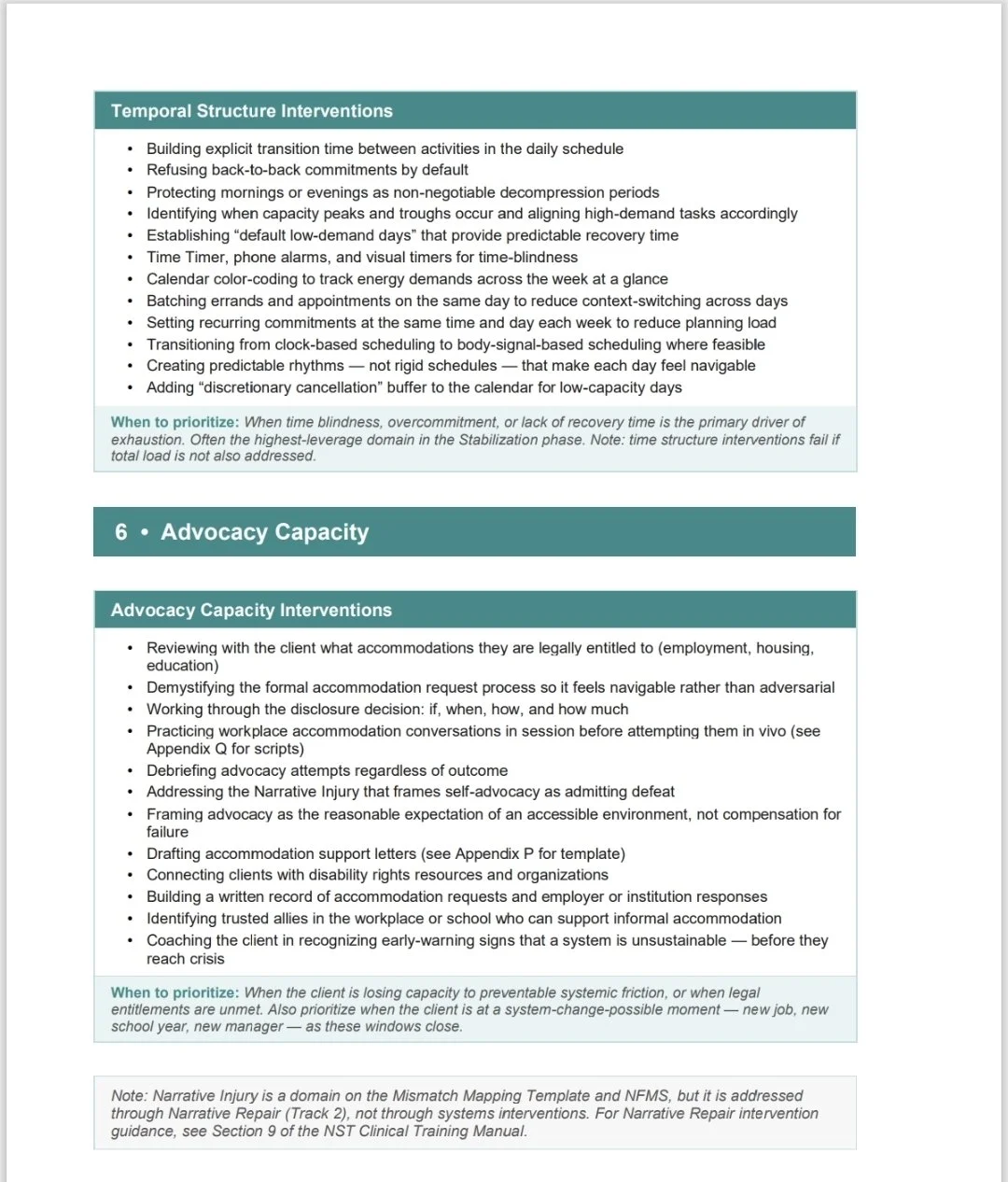
Neurocontextual Systems Therapy (NST) Intervention Ideas by Domain: A Clinician Reference Guide
$0.00

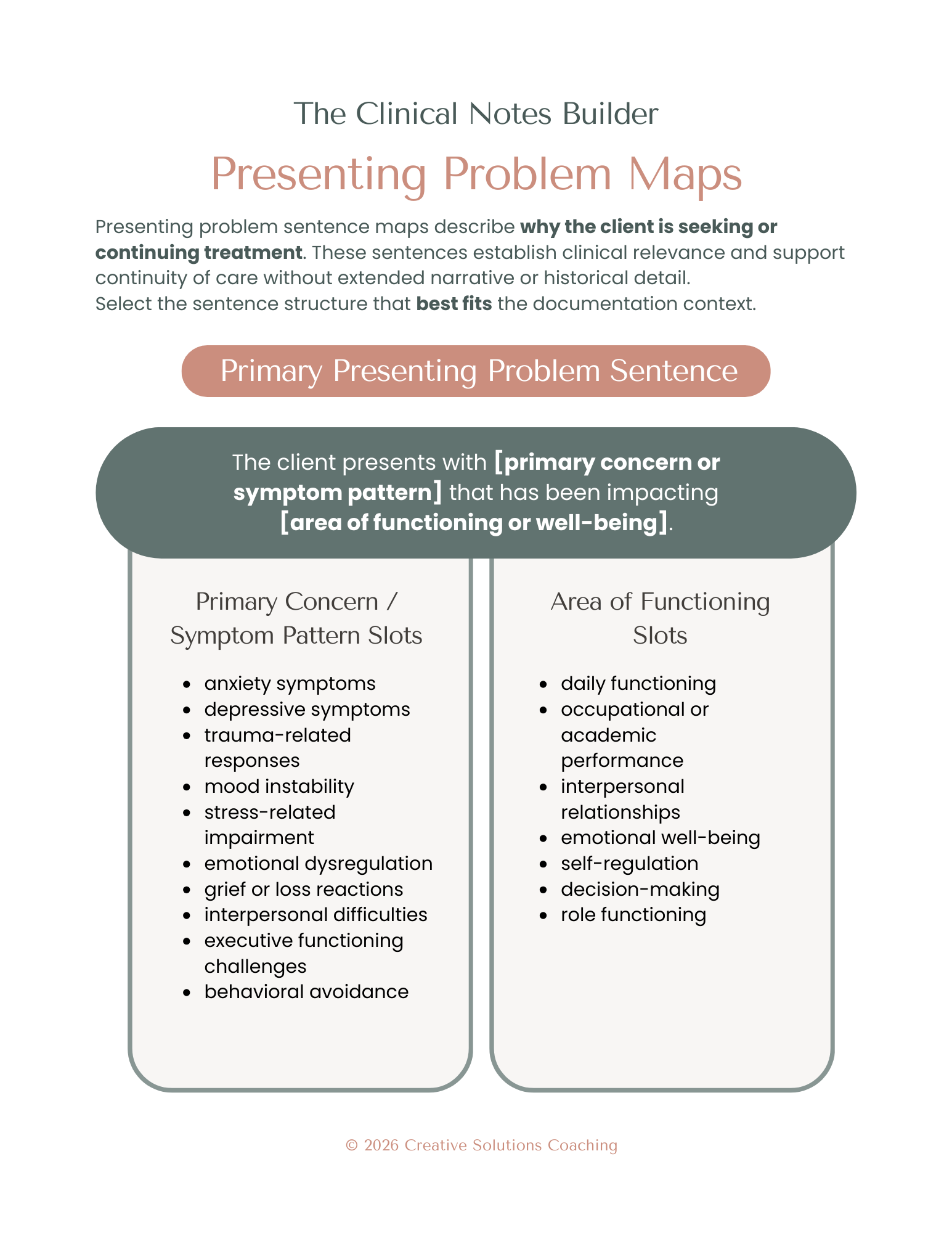
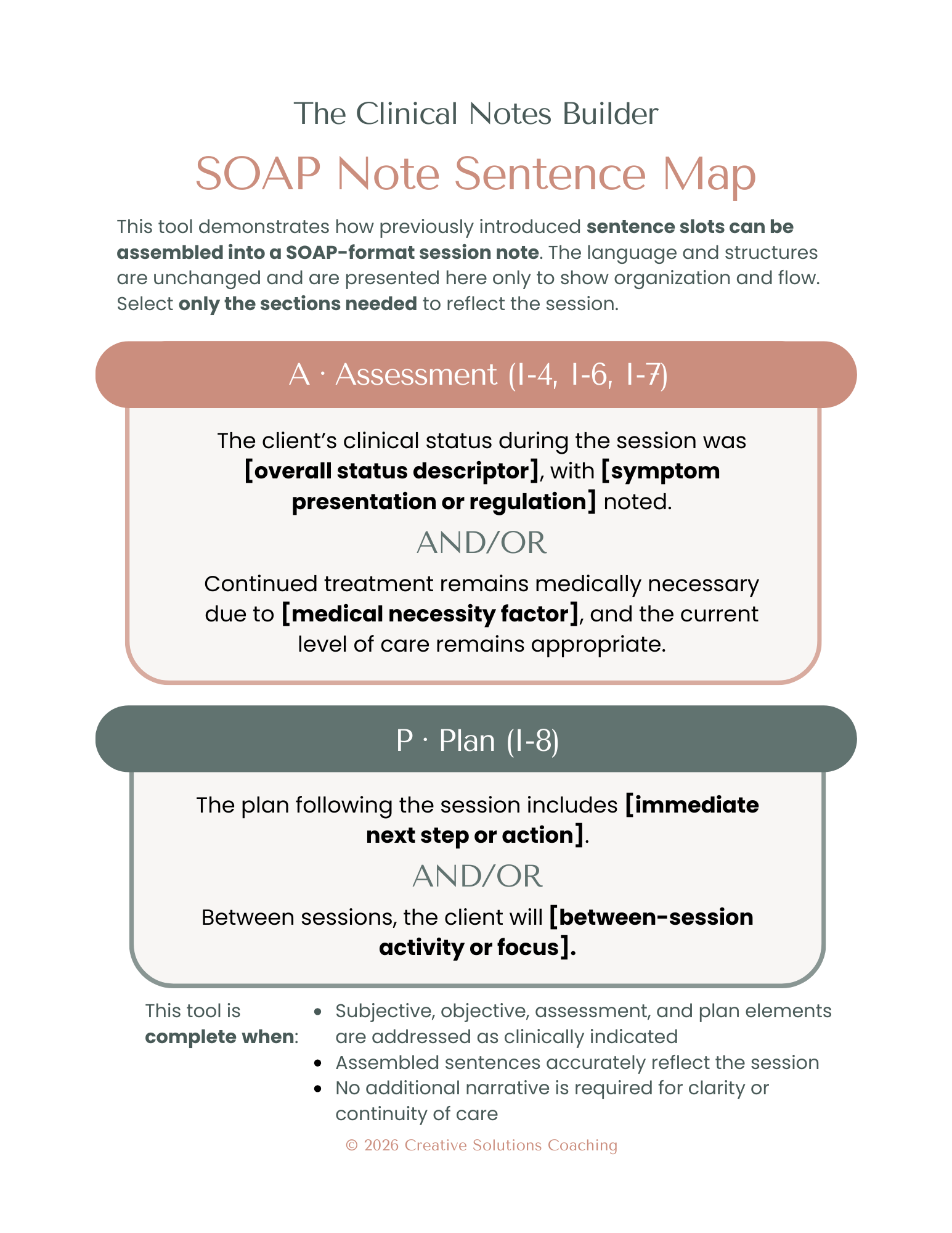
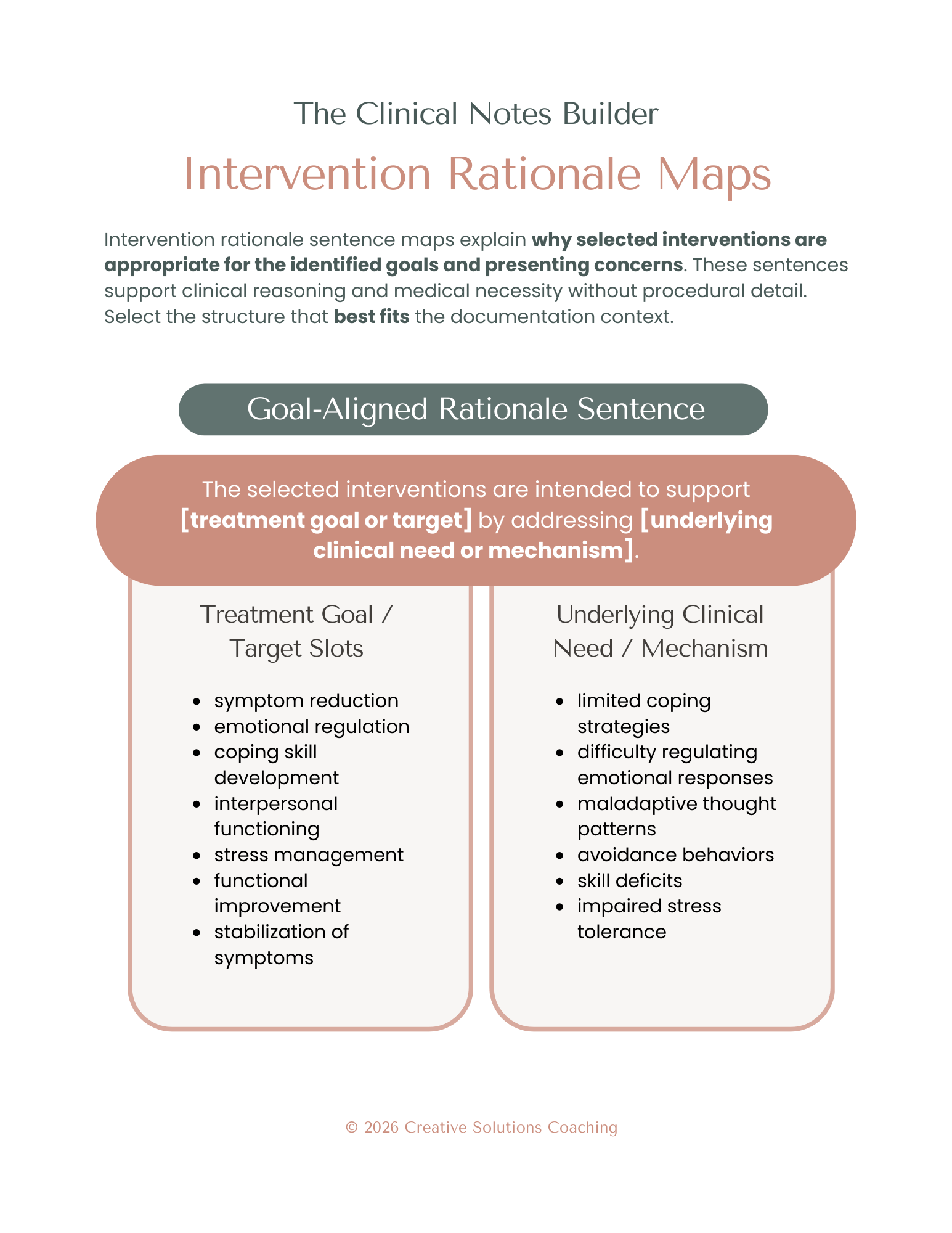
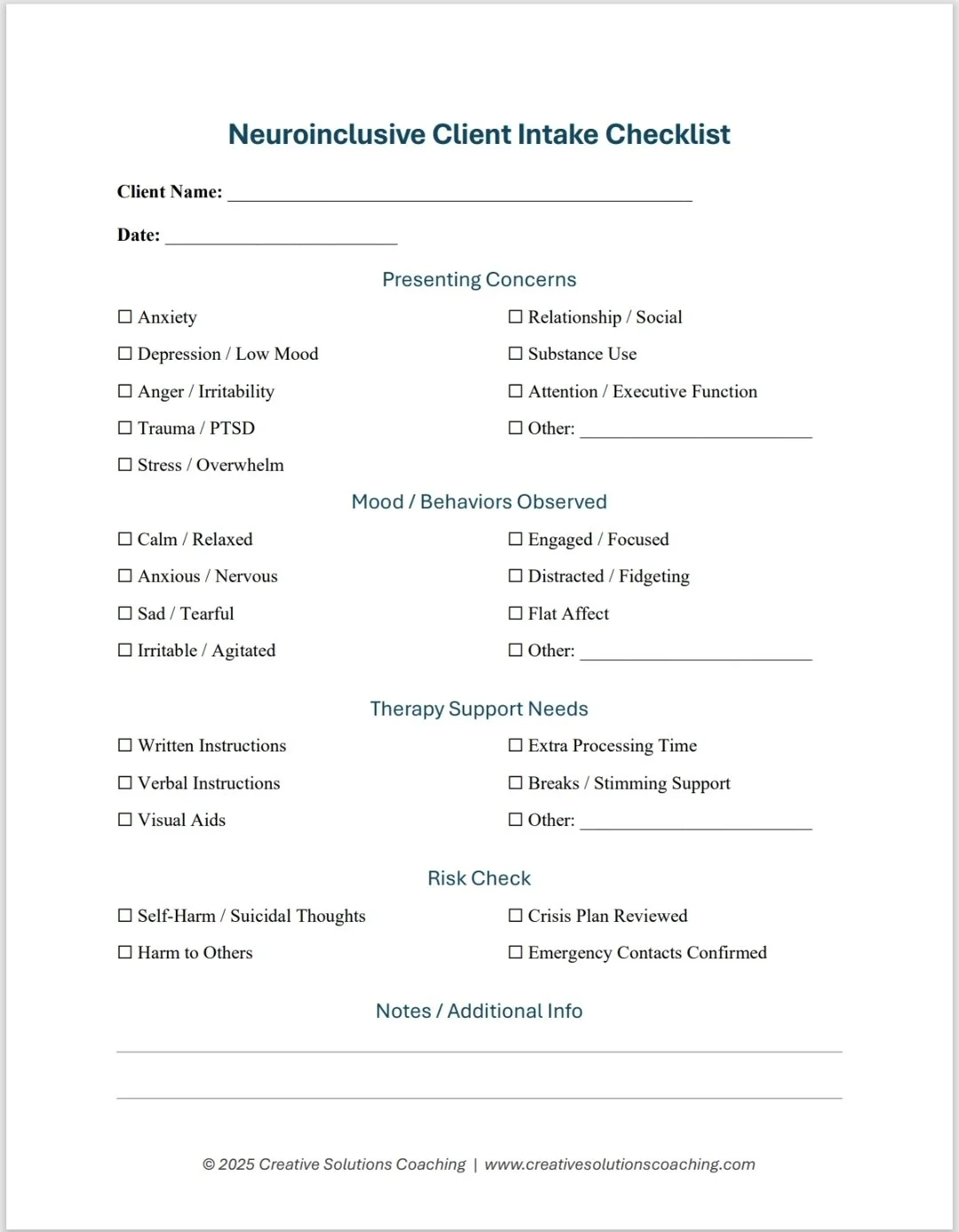
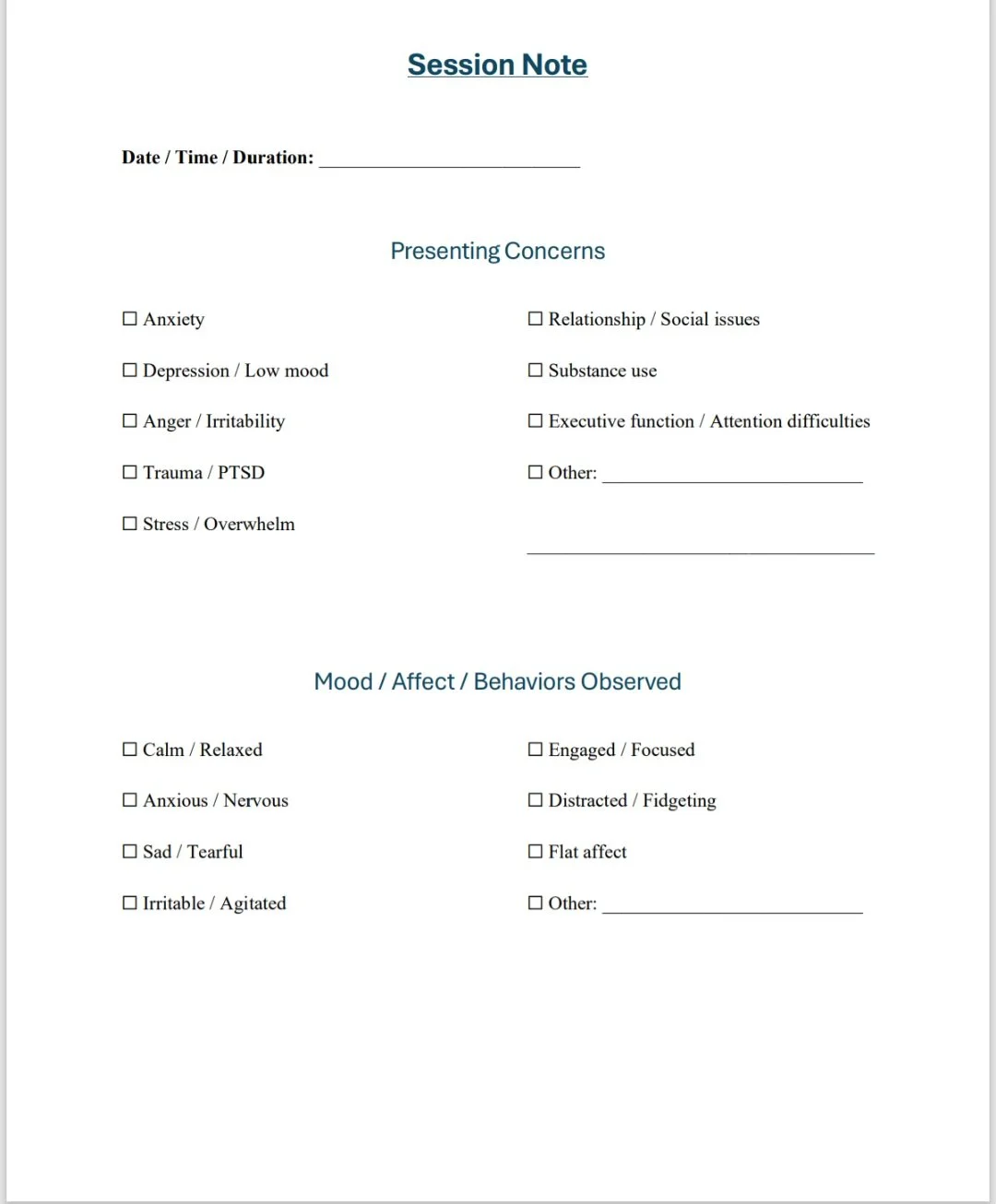
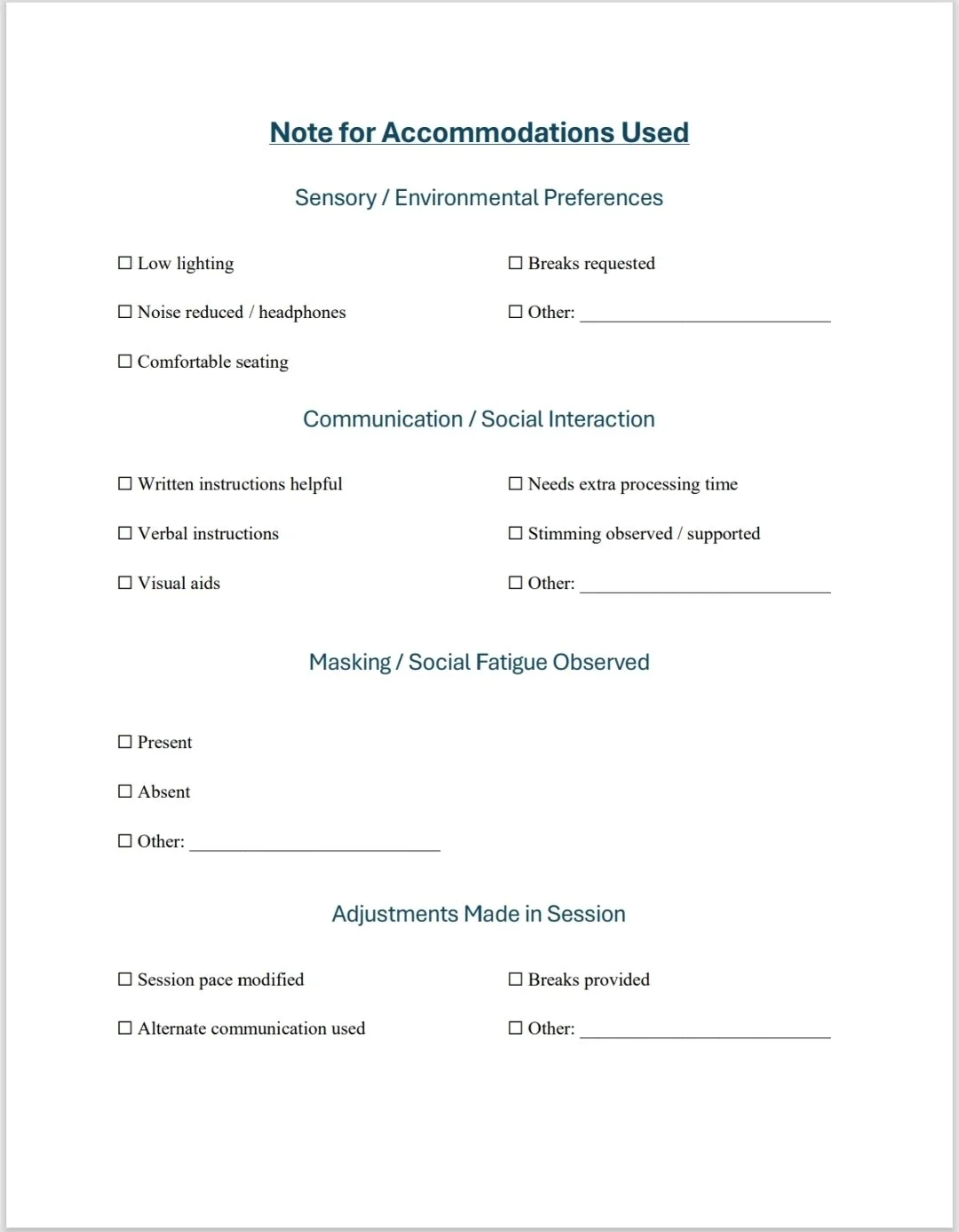
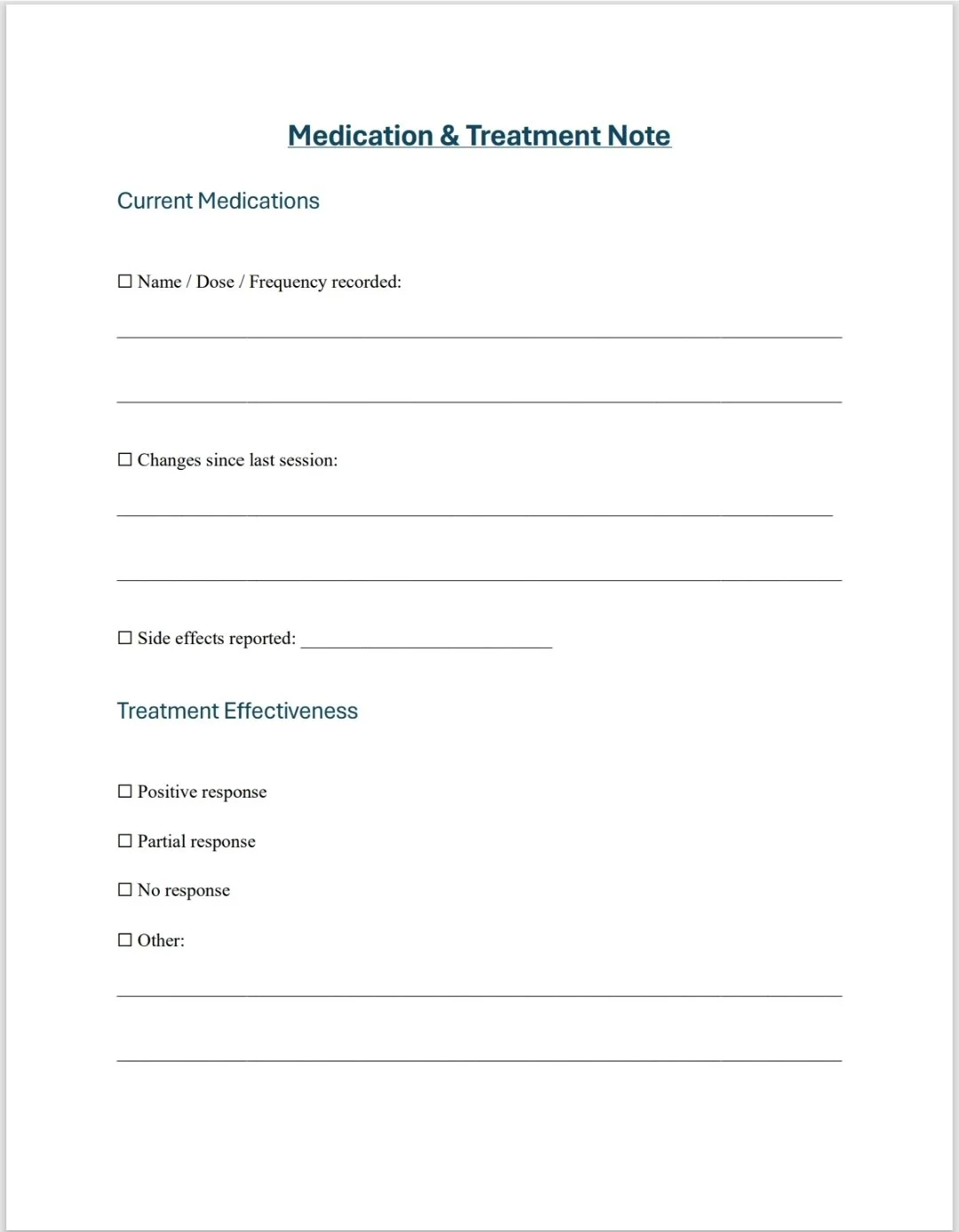
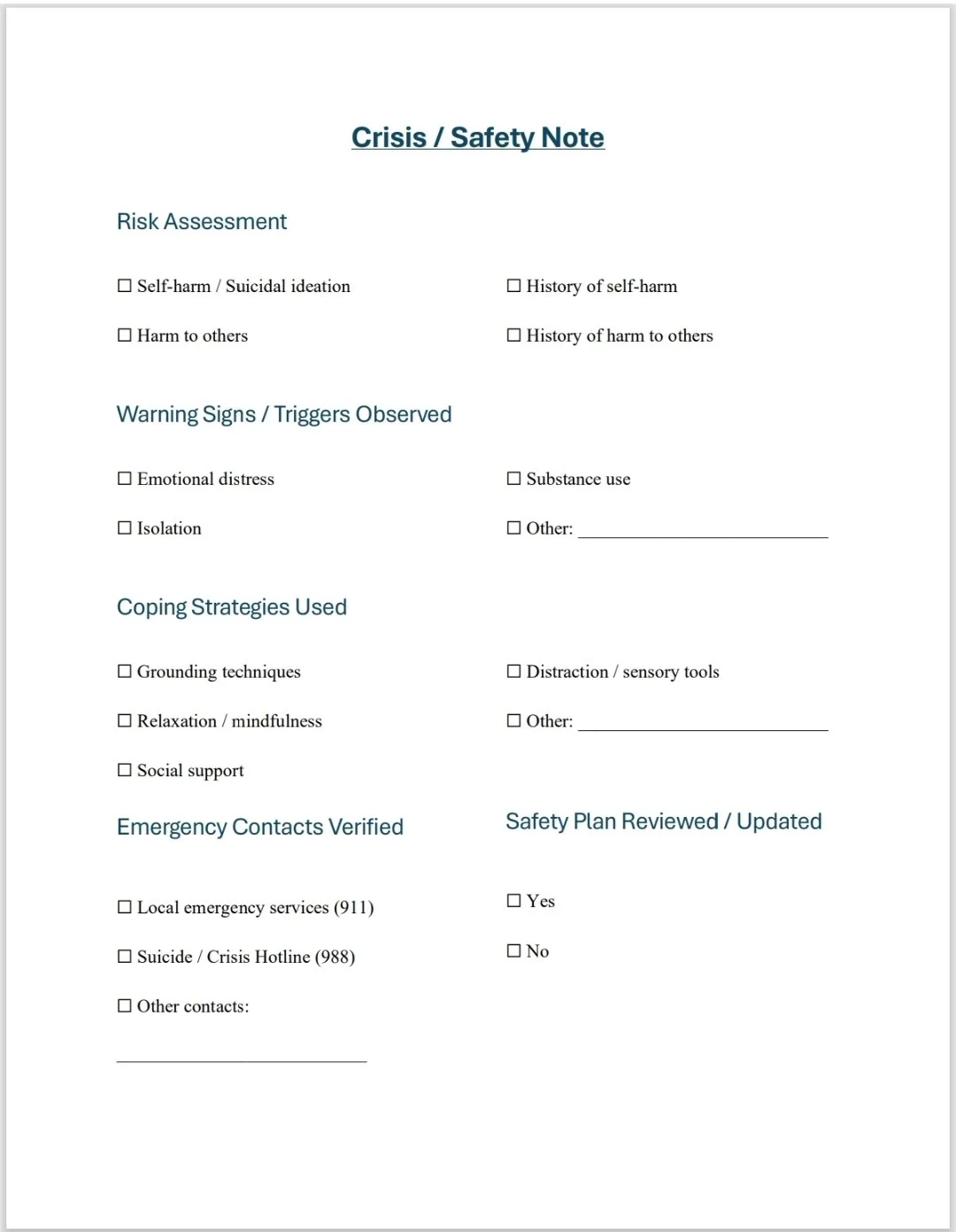
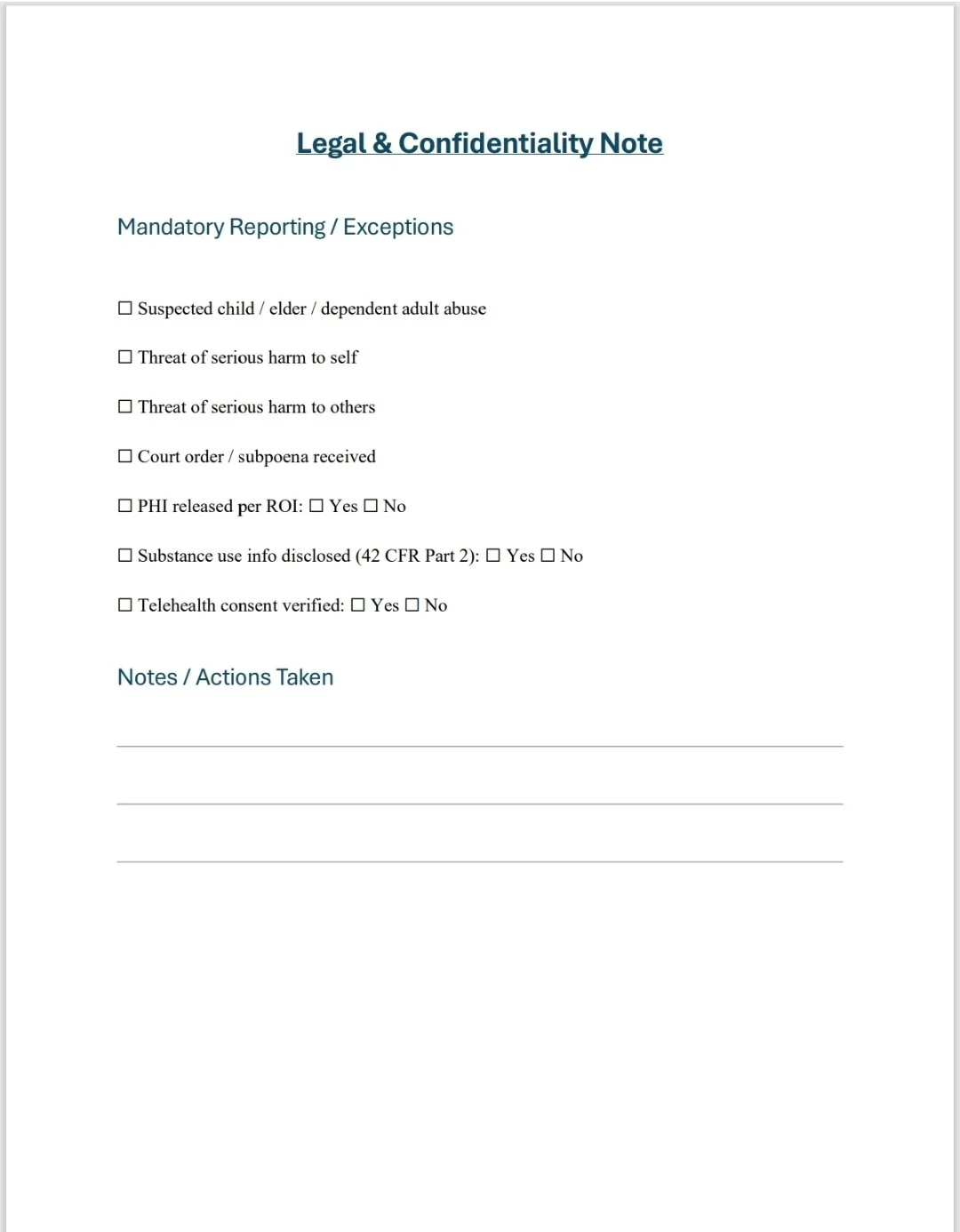
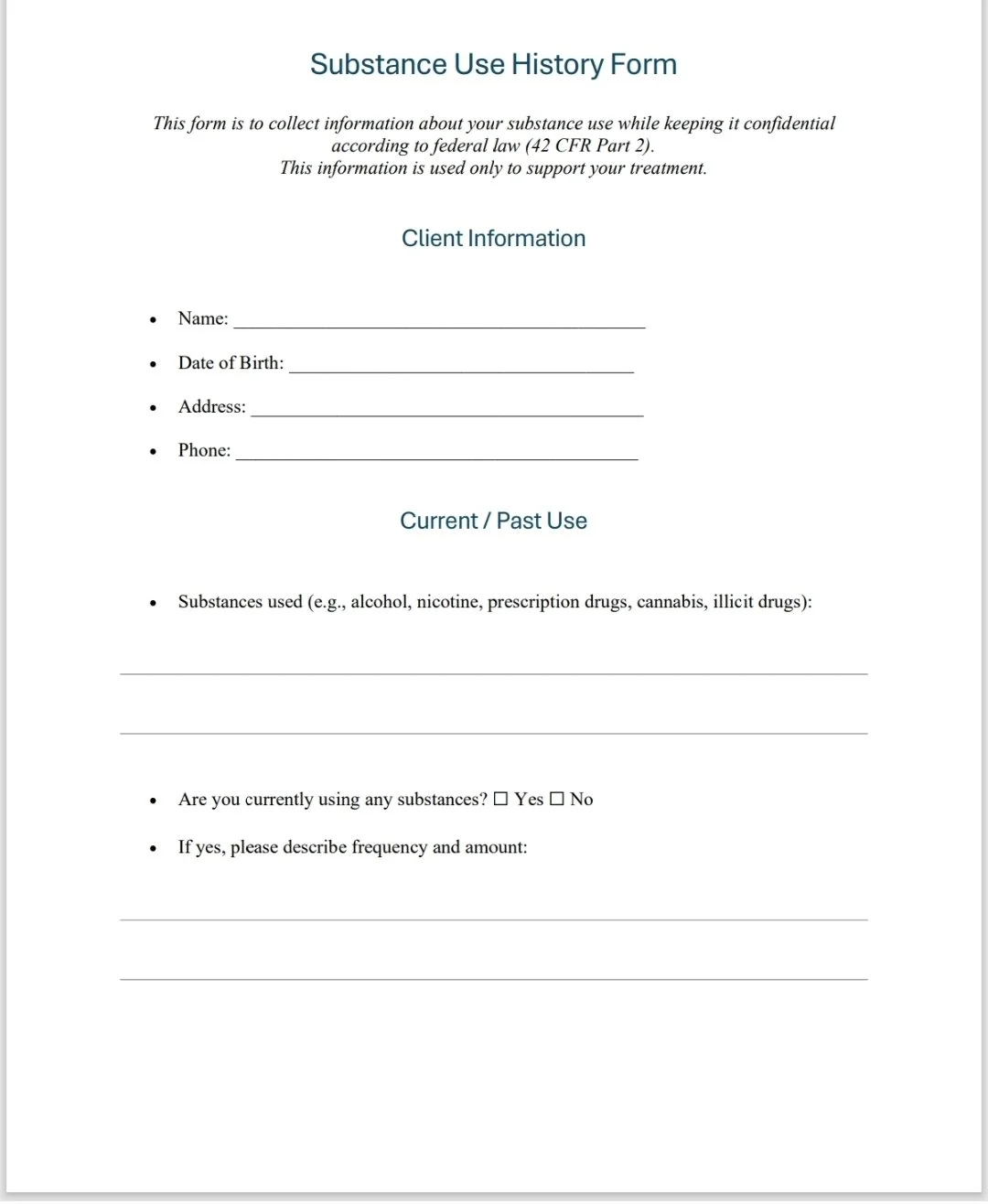
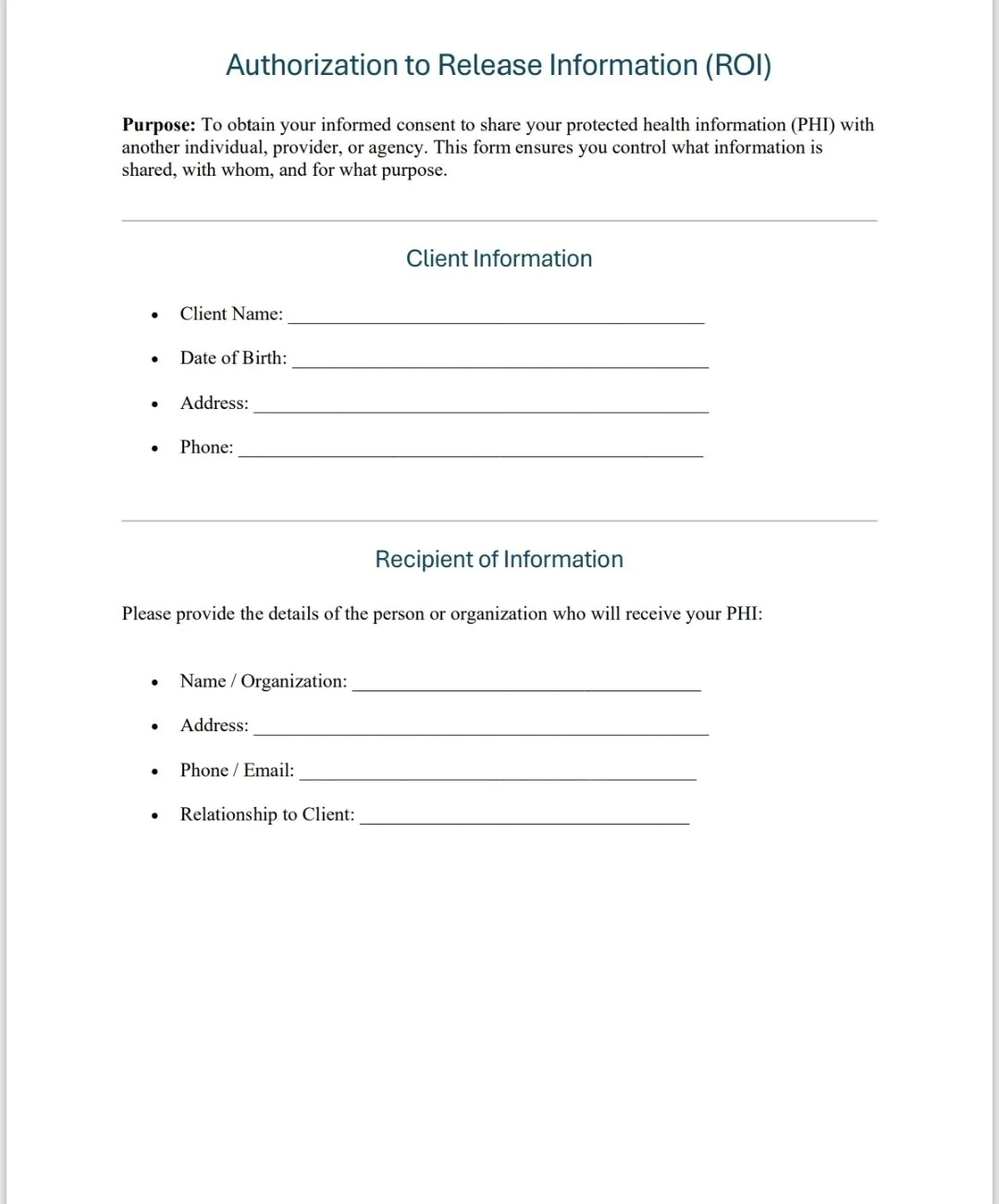
The Clinical Note Builder (Digital Edition)
$29.99

The Marketing Book for Therapists Who Want to Stay in Business (Digital Edition)
$24.99
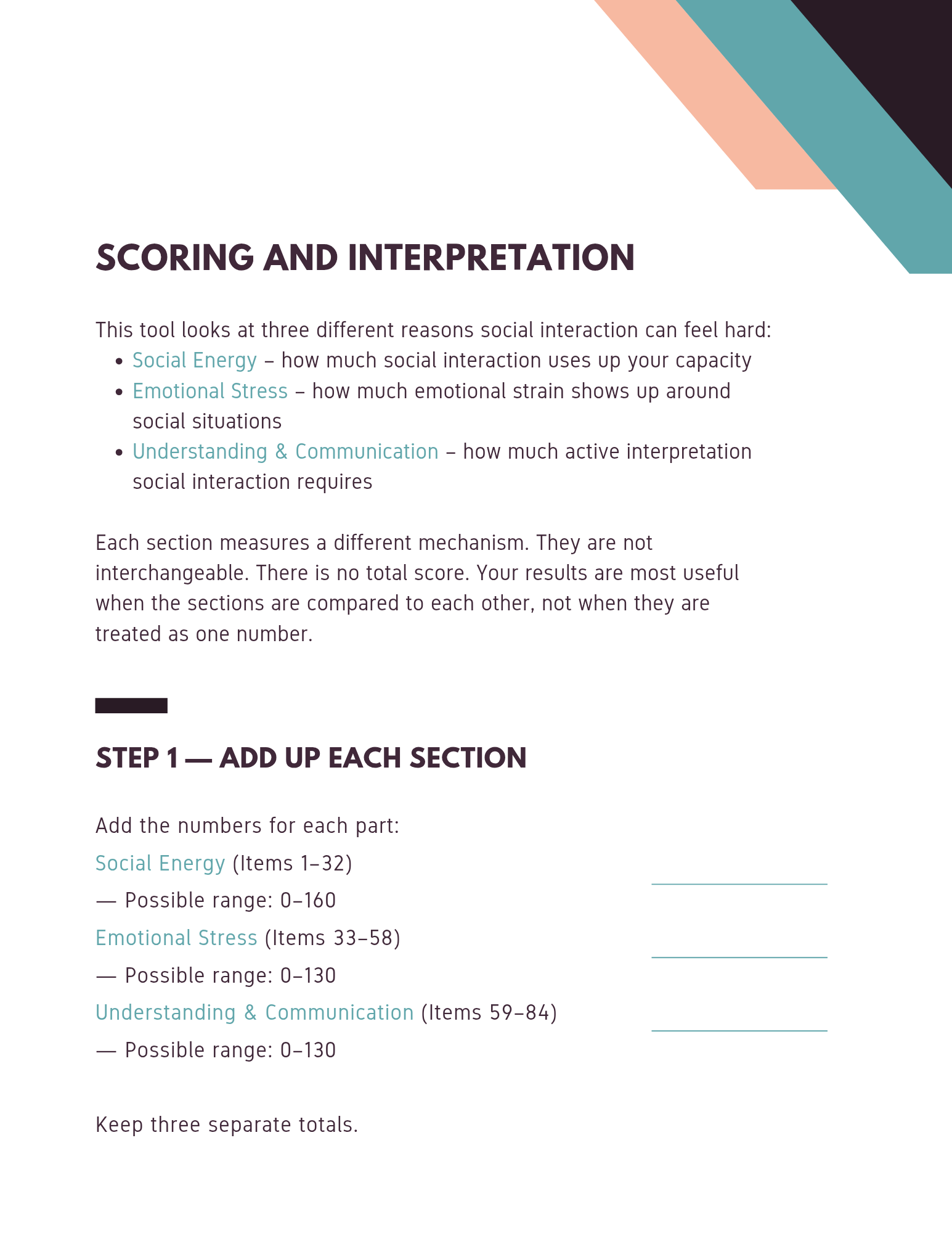
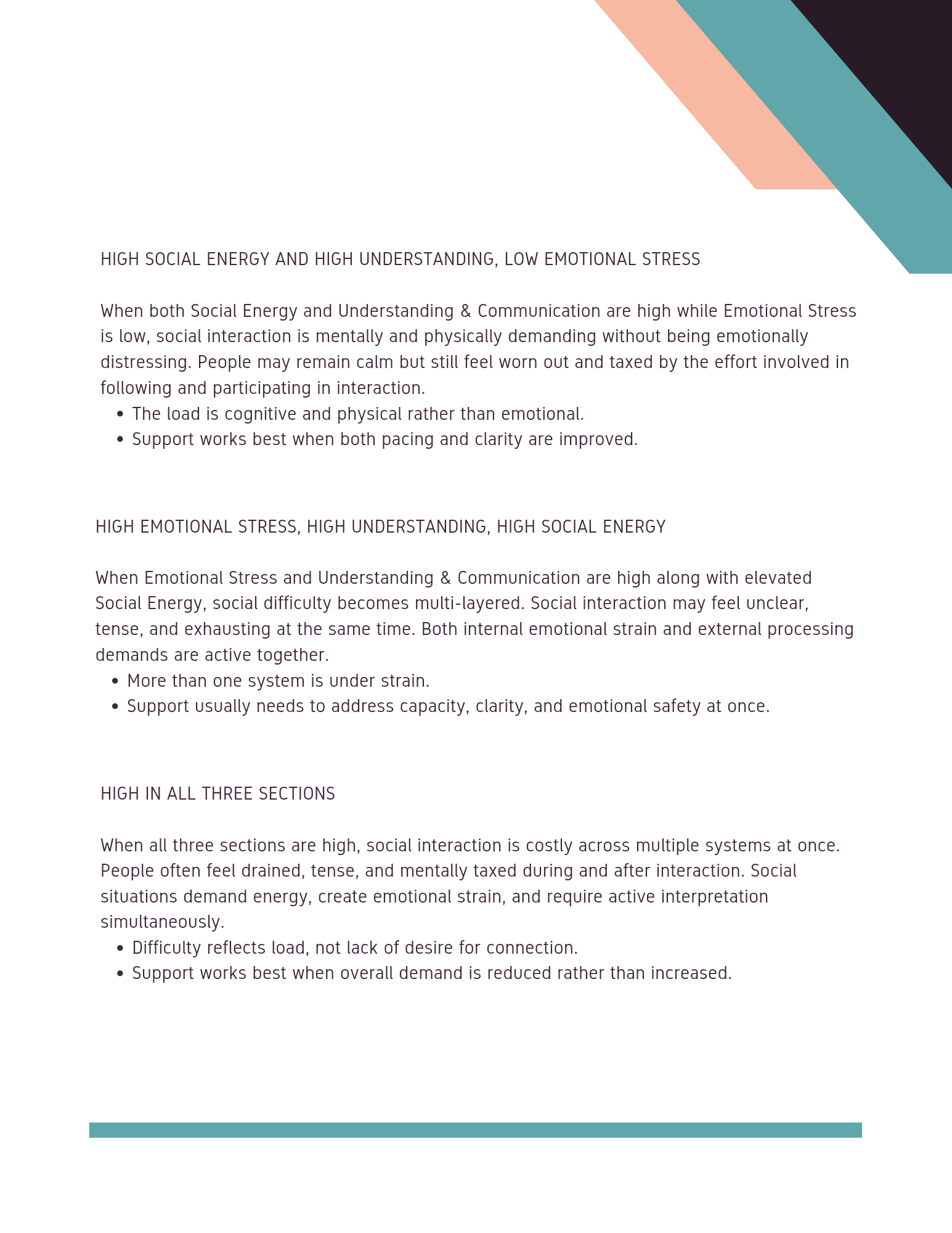
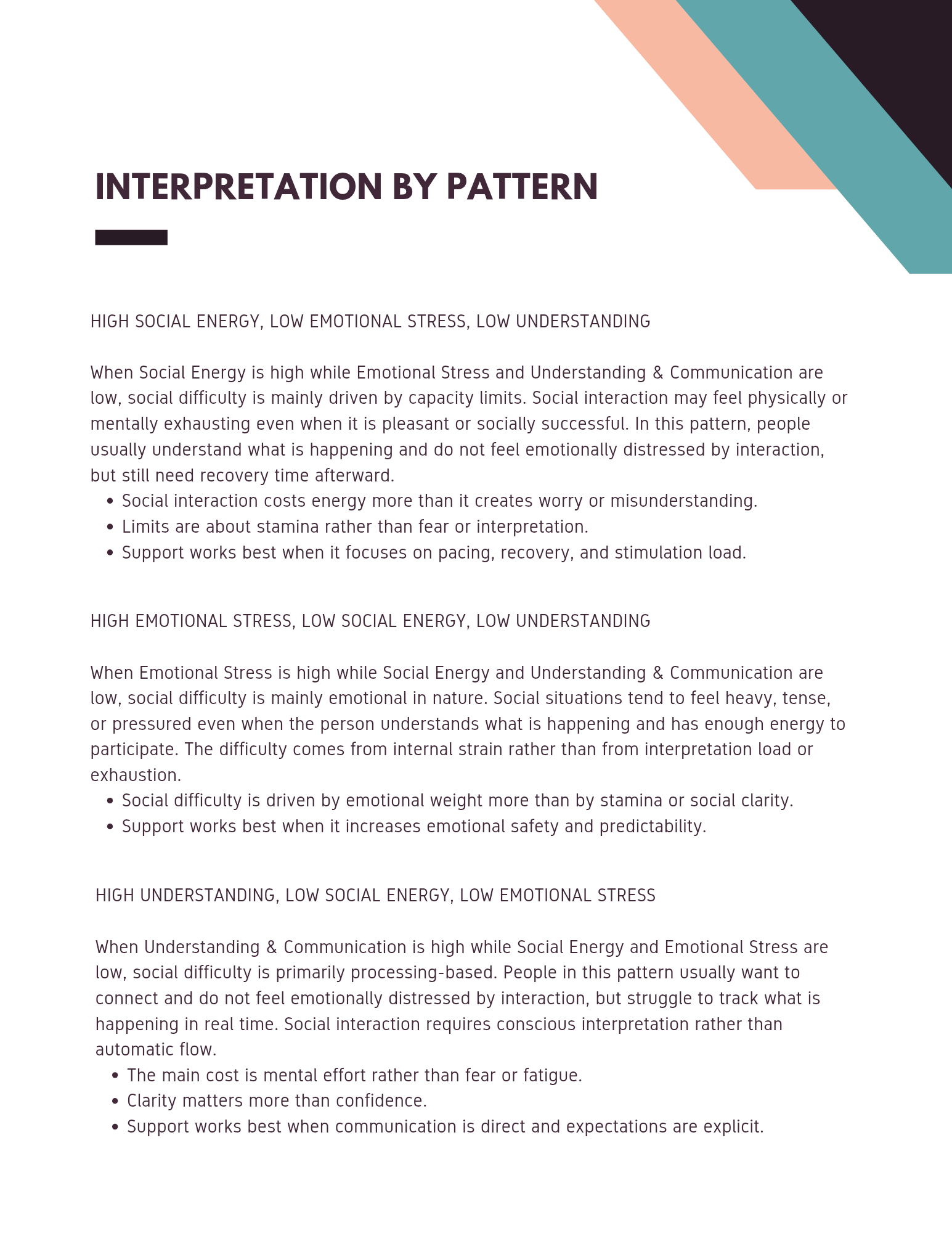
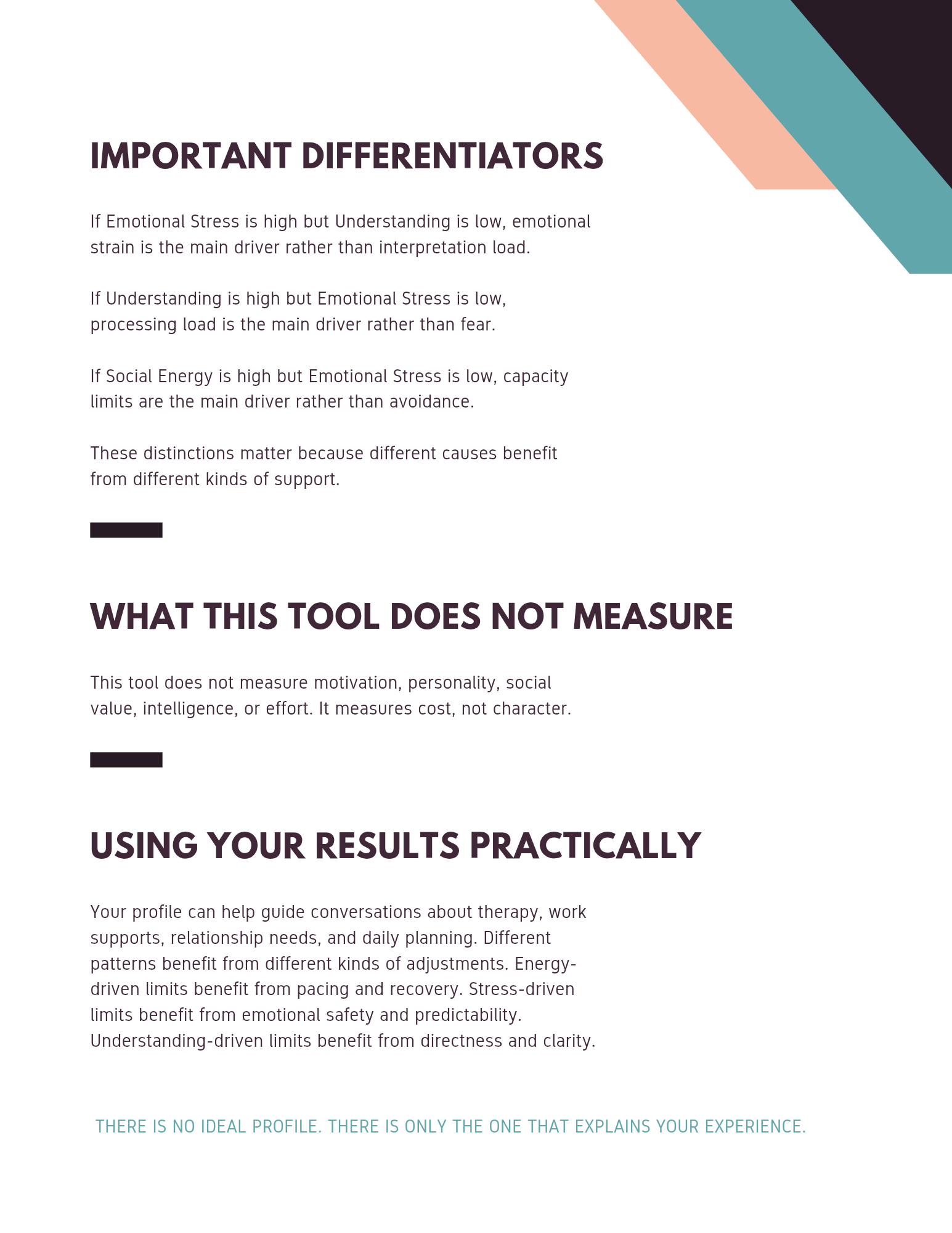
Social Interaction Profile – Assessment of Social Energy, Stress & Communication
$12.00

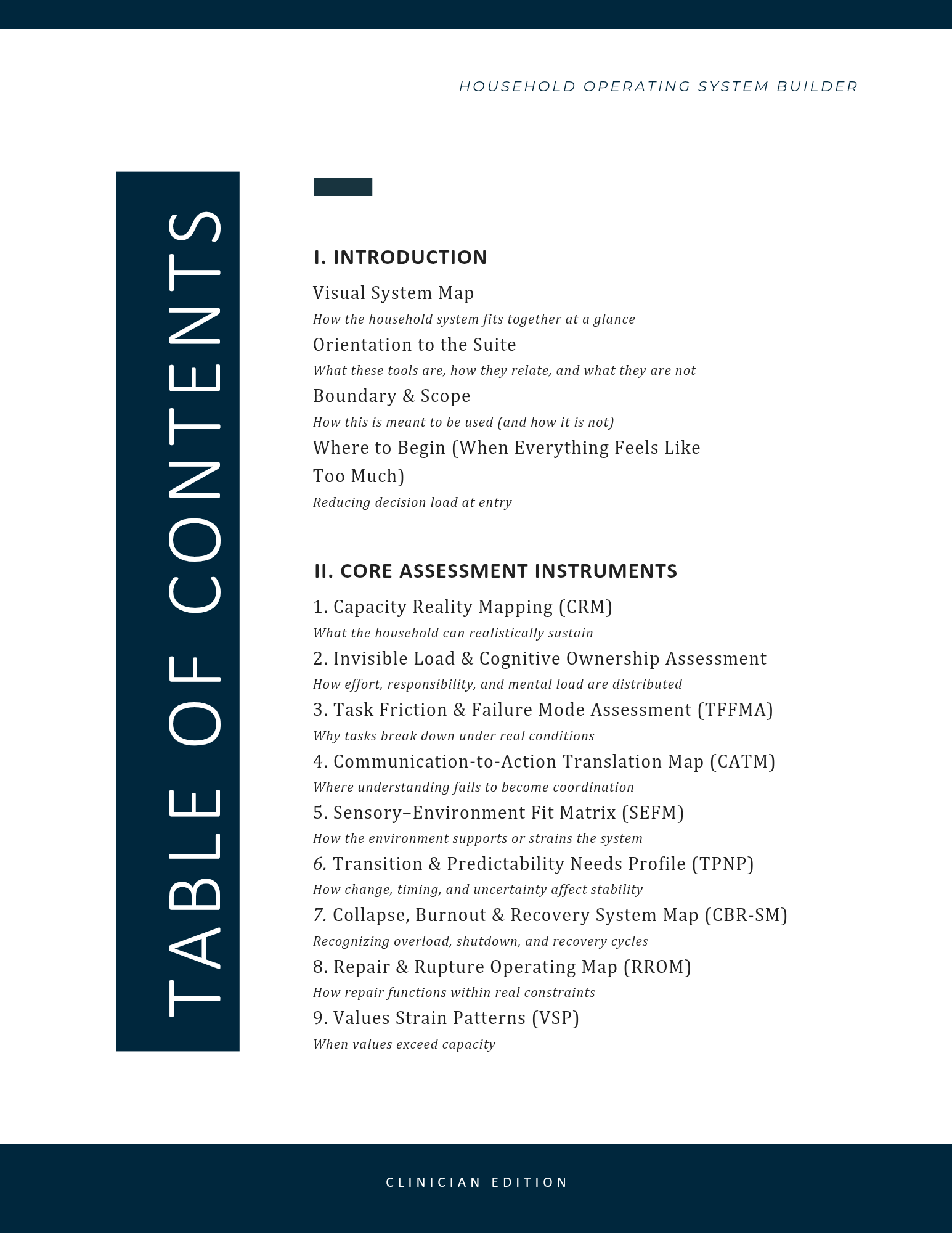
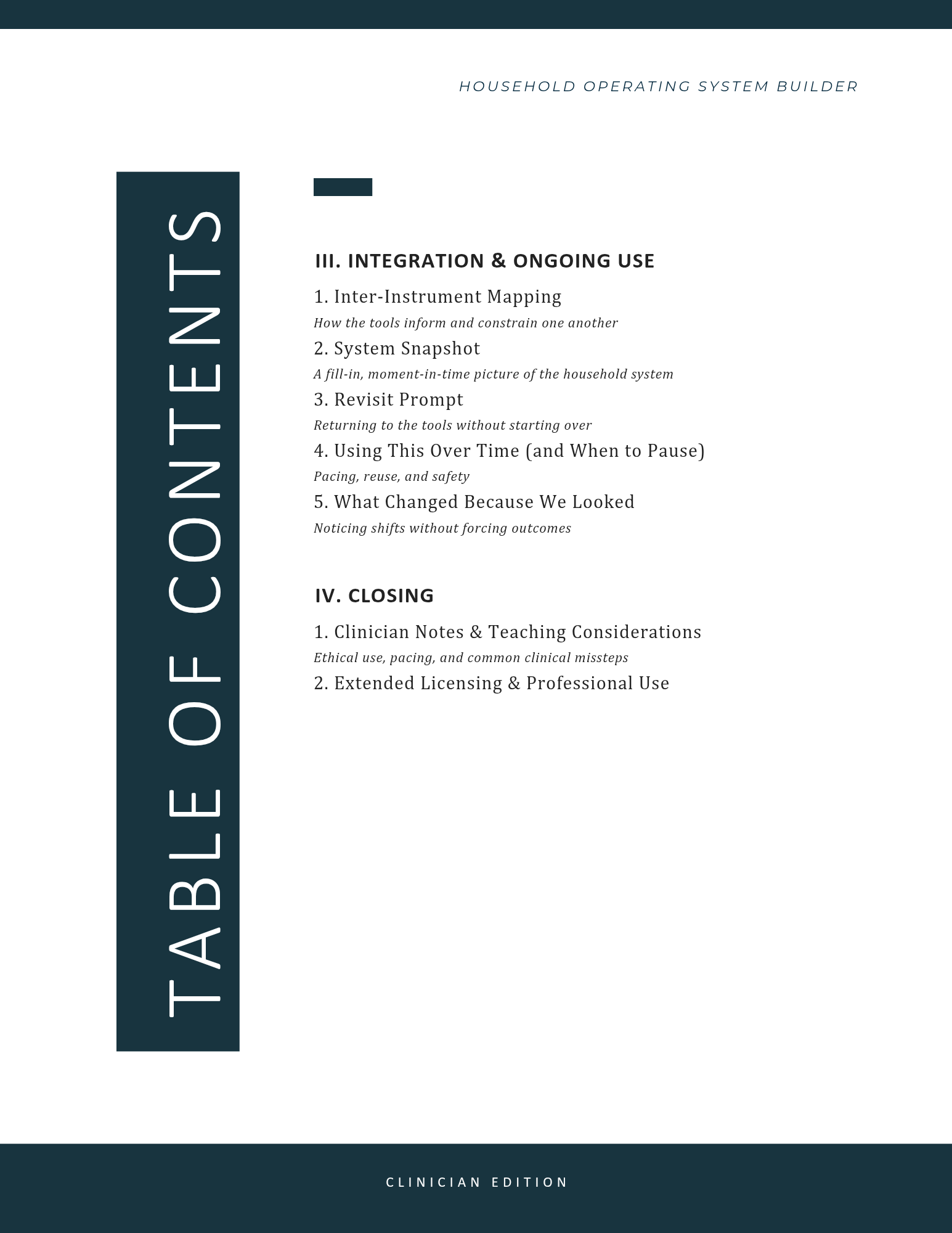
Household Operating System Builder (HOSB) — Clinician Edition (PDF Download) for Neurocontextual Systems Therapy (NST)
$59.00

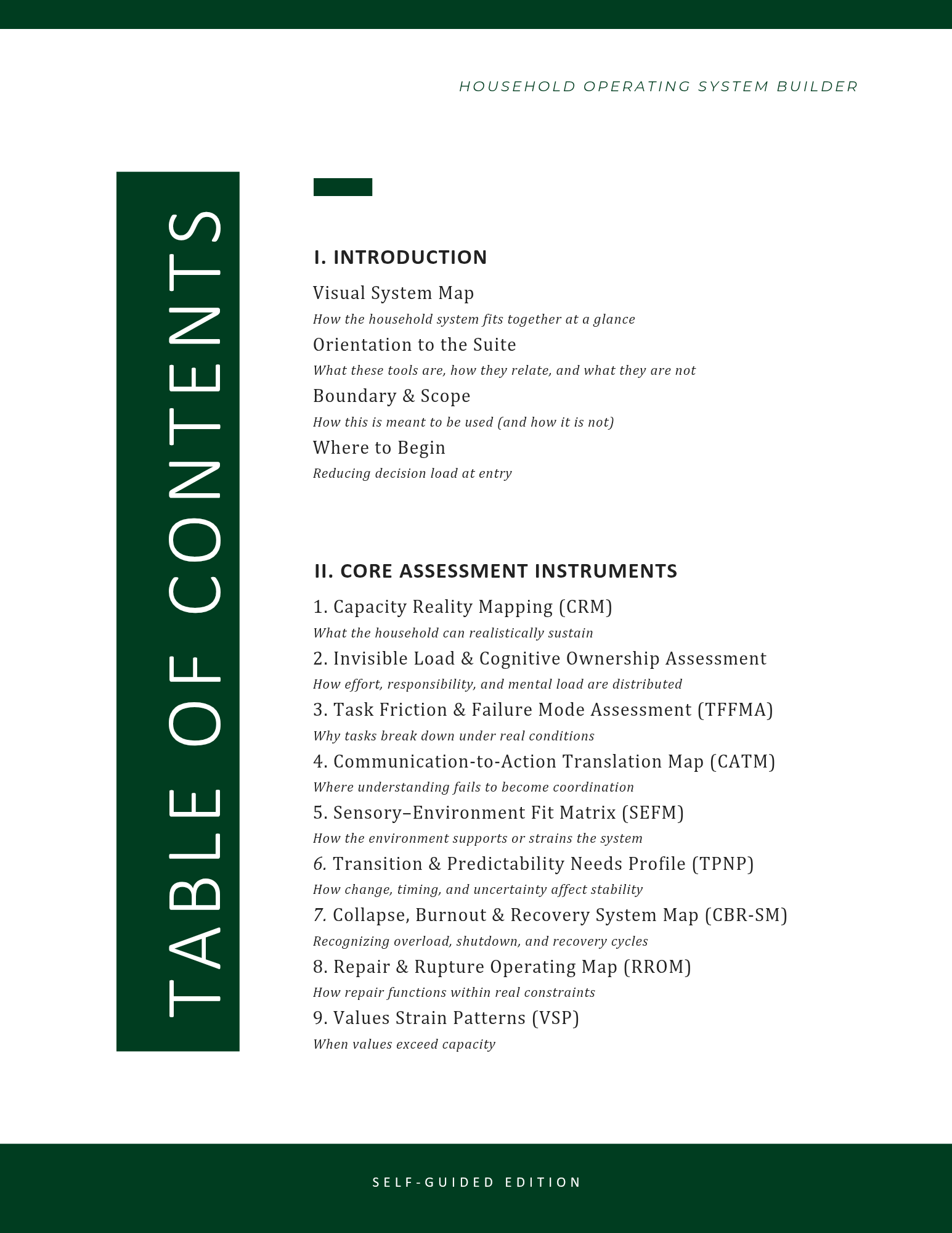
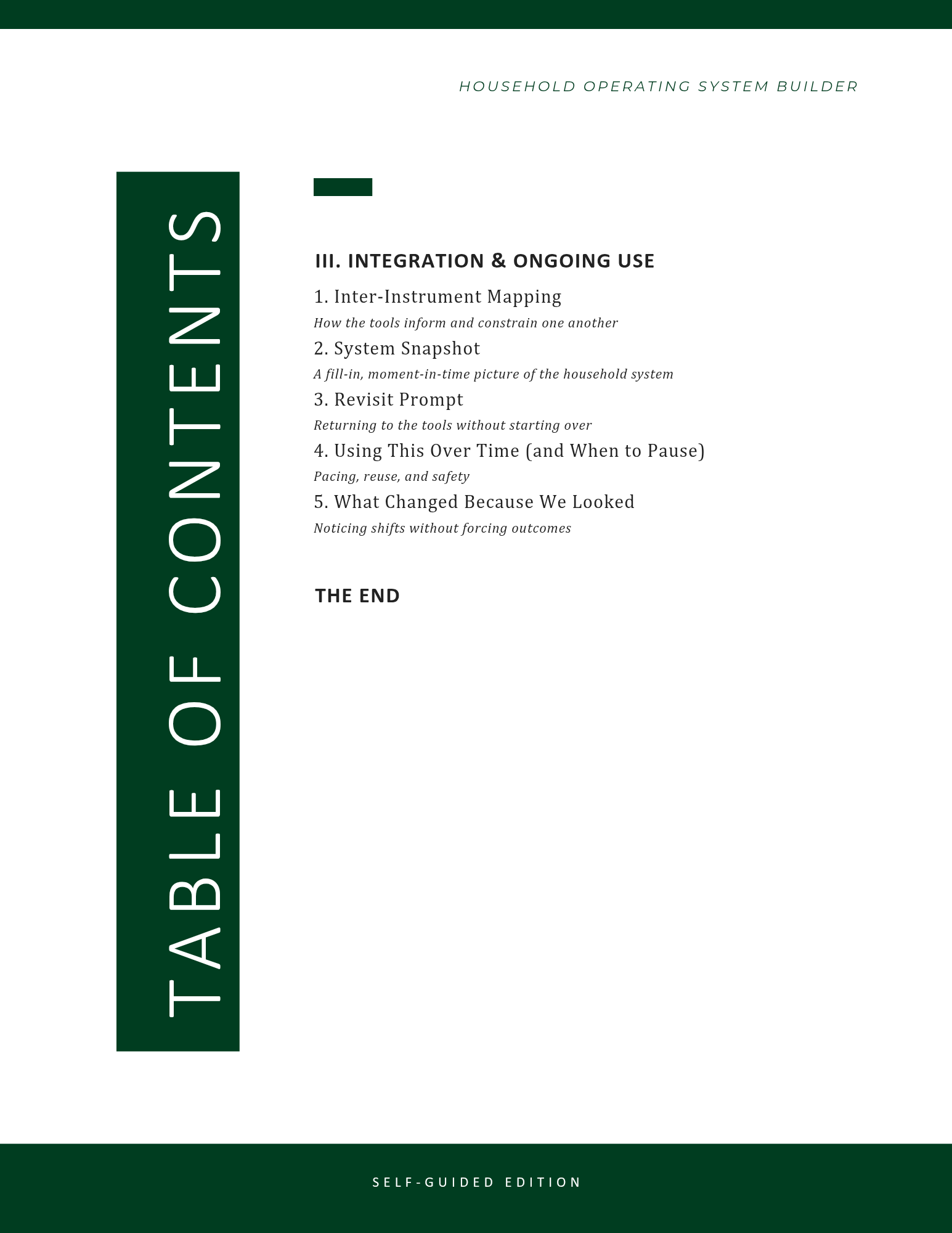
Household Operating System Builder (Self-Guided Edition) for Neurocontextual Systems Therapy (NST)
$39.00

Complete Mixed-Neurotype Couples Toolkit
$19.99
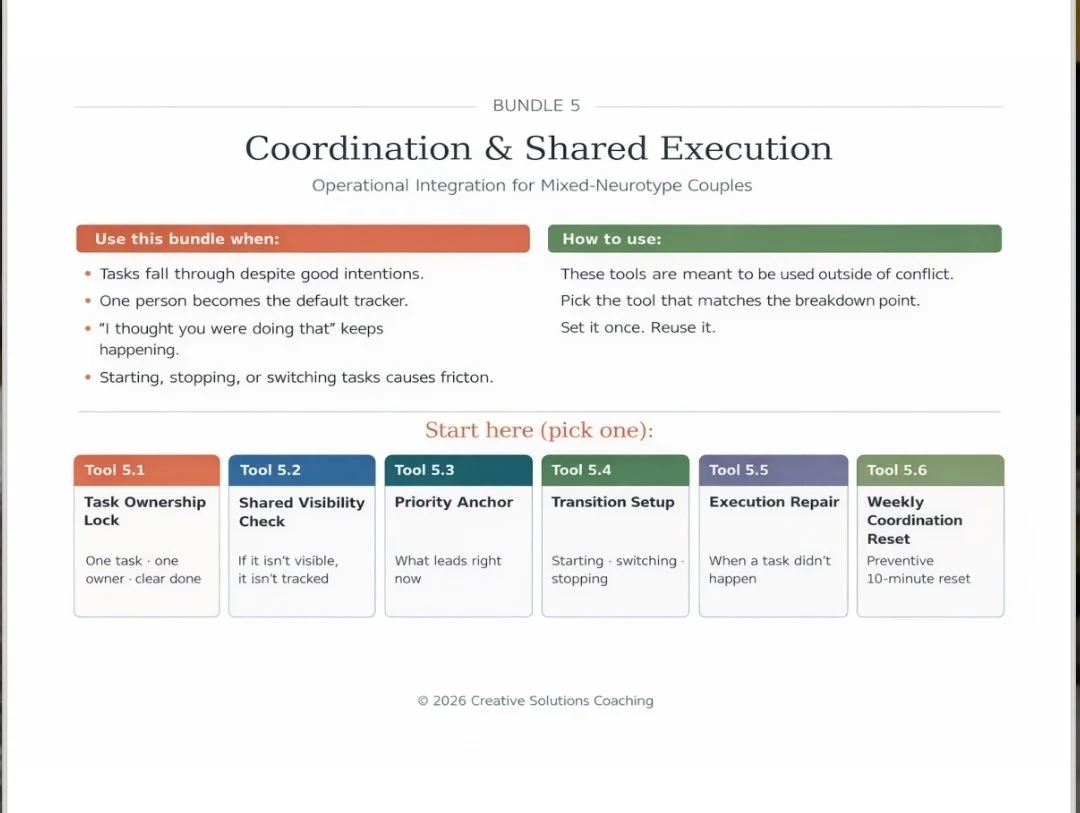
Coordination & Shared Execution Mixed-Neurotype Couples Toolkit
$2.99

Emotional Safety & Regulation Mixed-Neurotype Couples Toolkit
$2.99
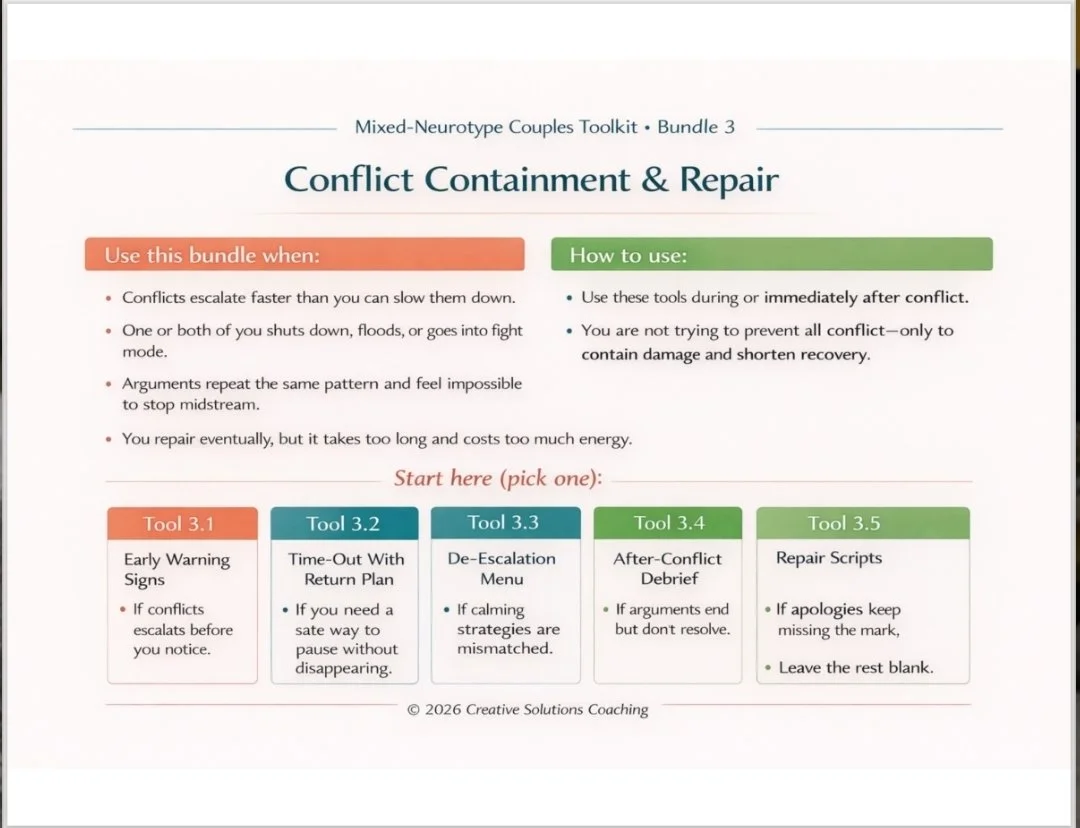
Needs, Boundaries & Capacity Mixed-Neurotype Couples Toolkit
$9.00

Communication & Repair Mixed-Neurotype Couples Toolkit
$0.00
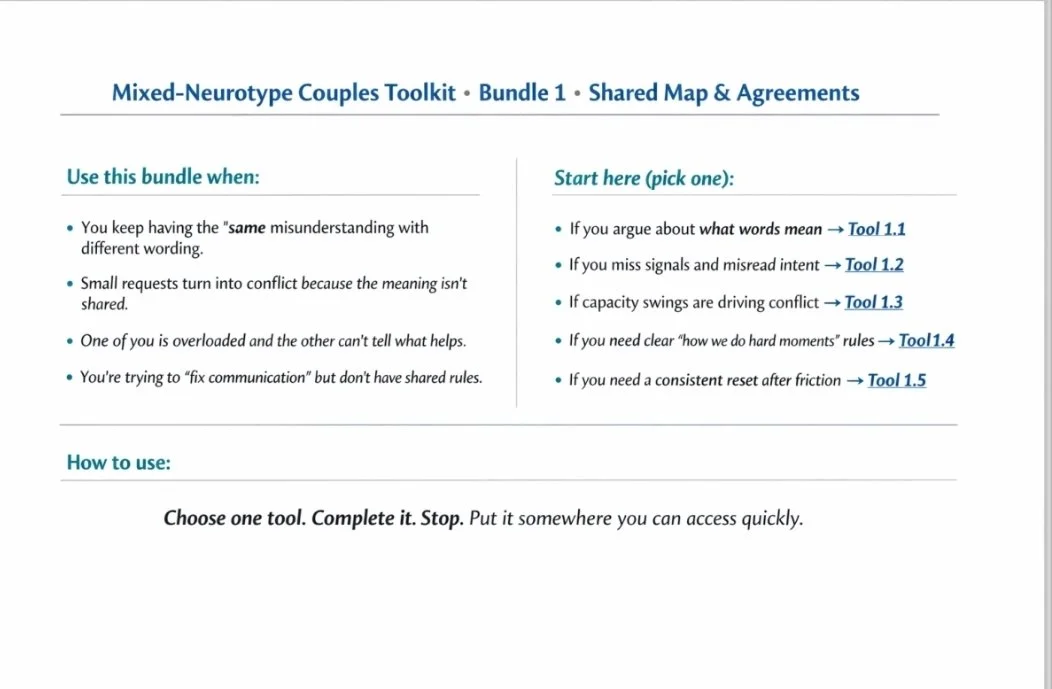
Translation & Shared Understanding Mixed-Neurotype Couples Toolkit
$8.00
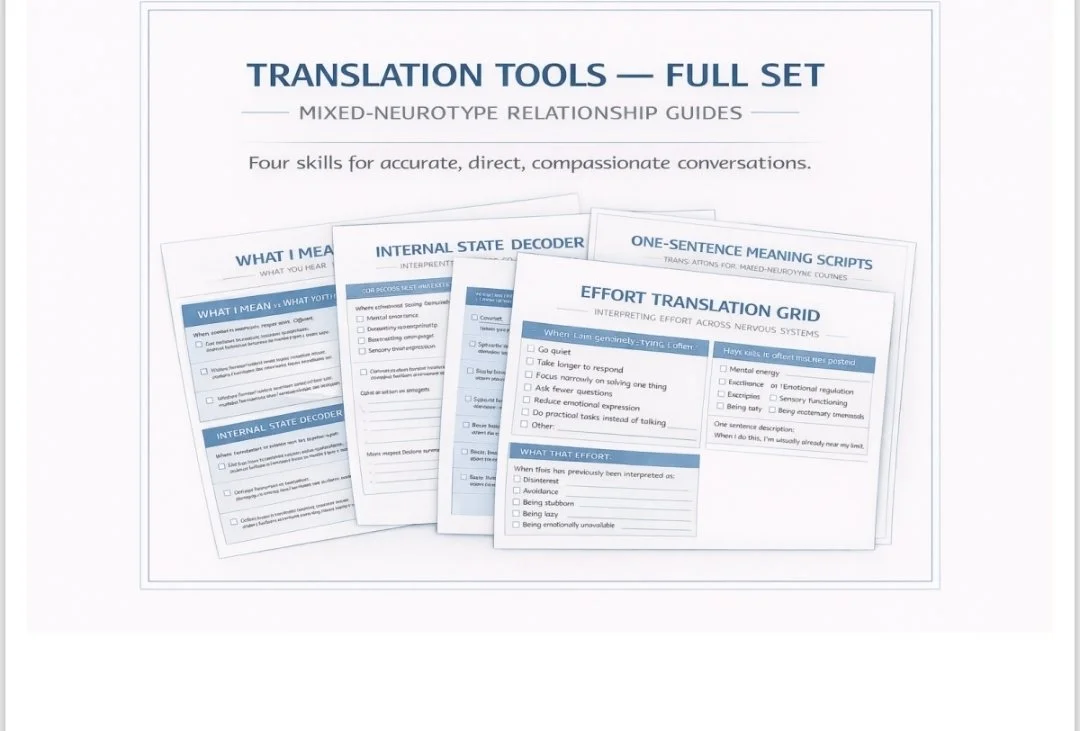
Translation Tools — Full Set
$15.00
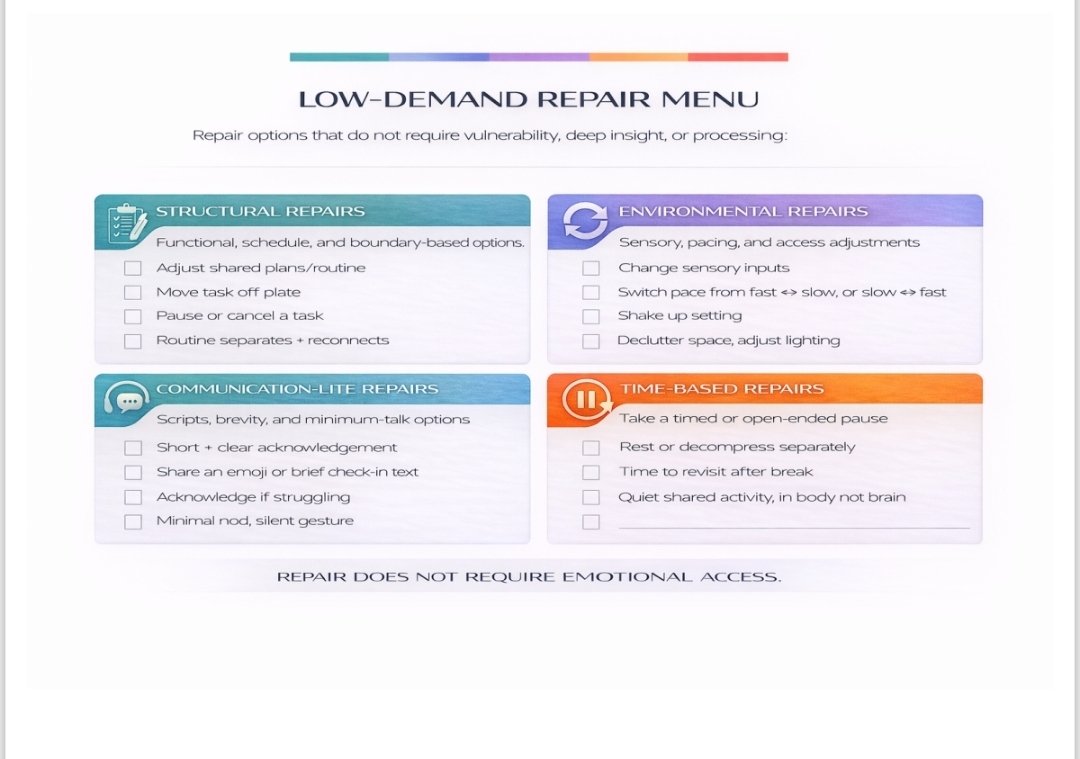
Low-Demand Repair Menu
$1.99
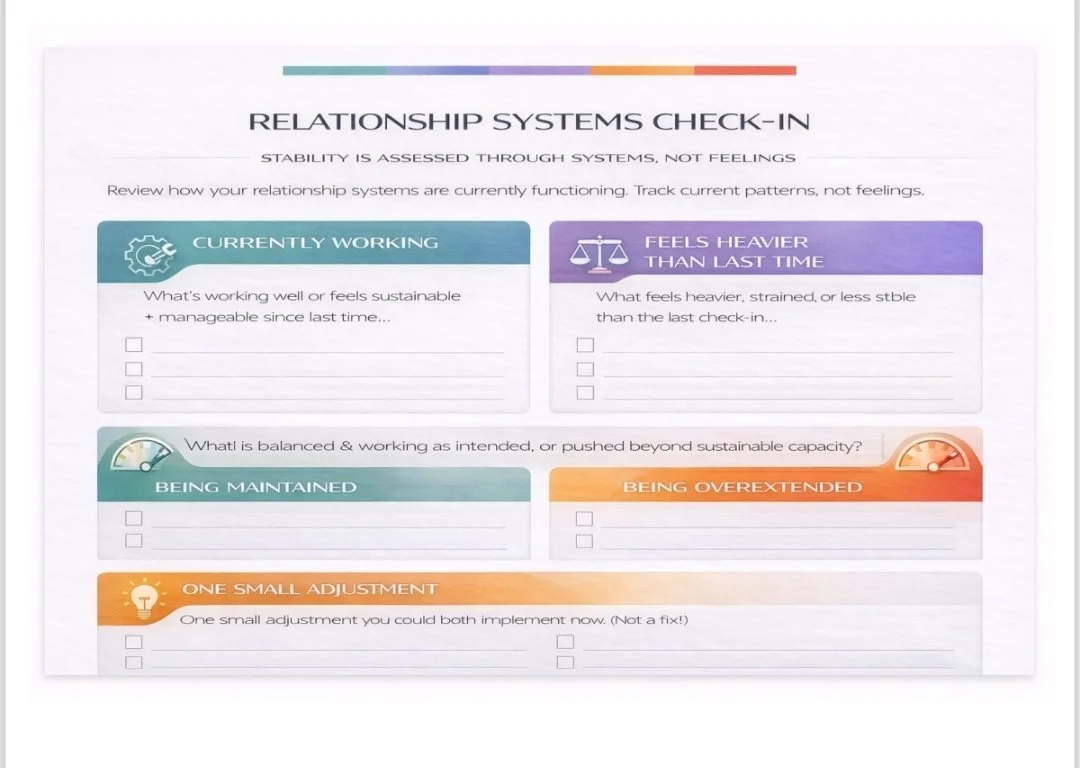
Relationship Systems Check-In
$0.00
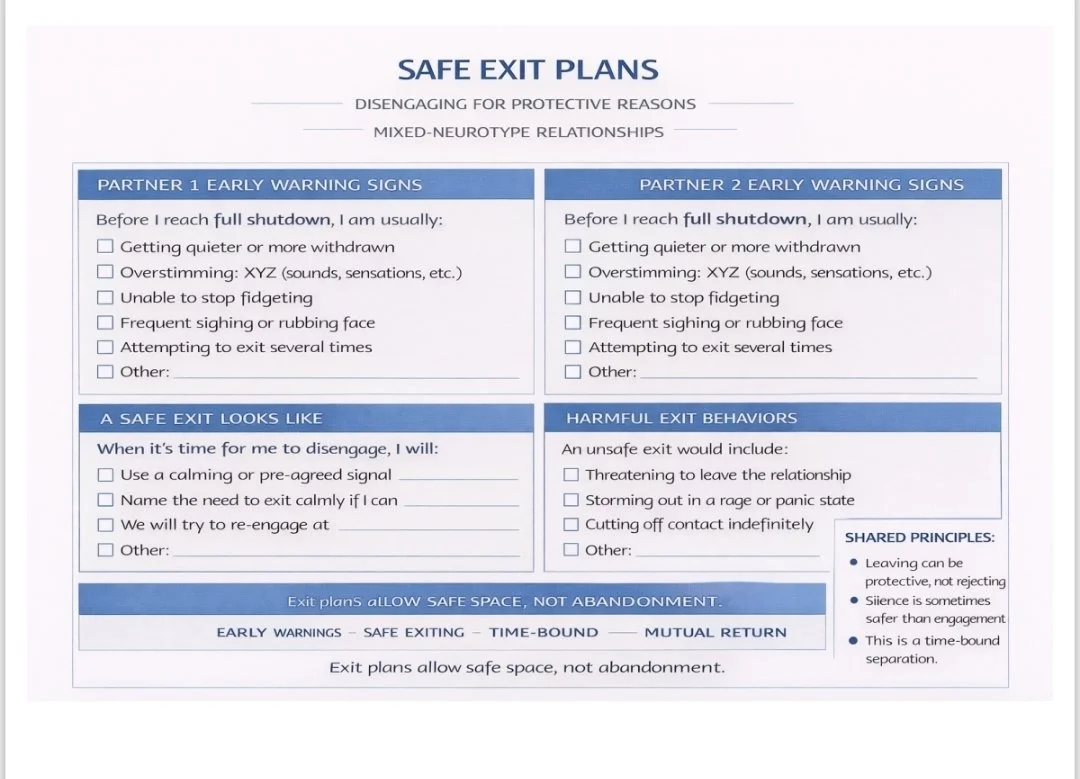
Safe Exit Plans
$0.00
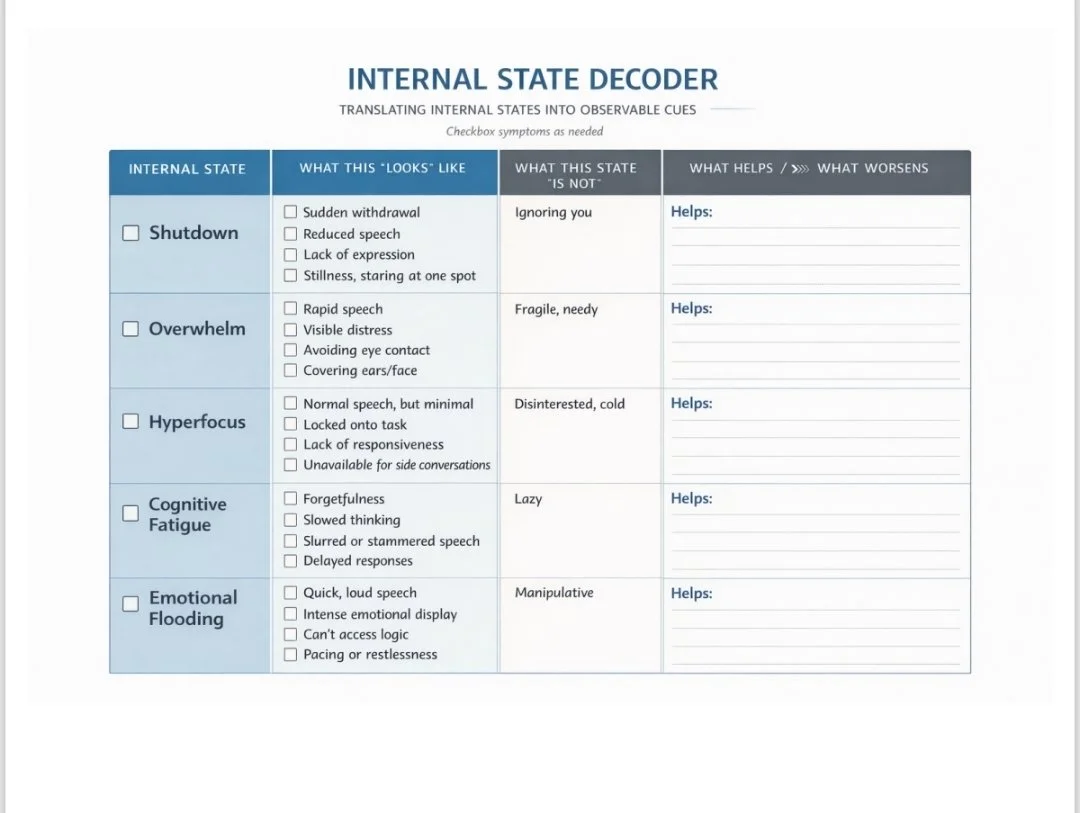
Internal State Decoder
$0.99
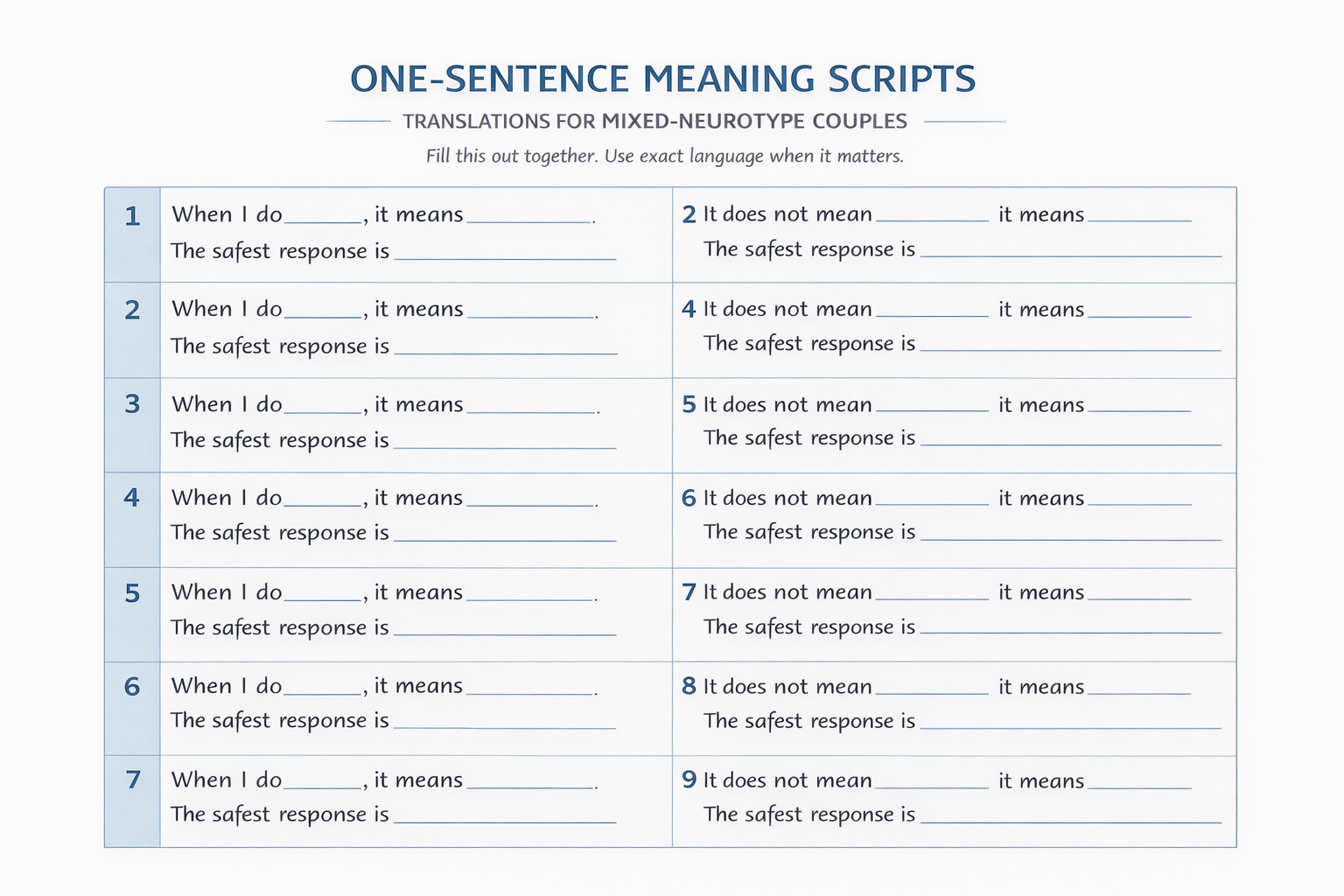
One-Sentence Meaning Scripts
$0.00
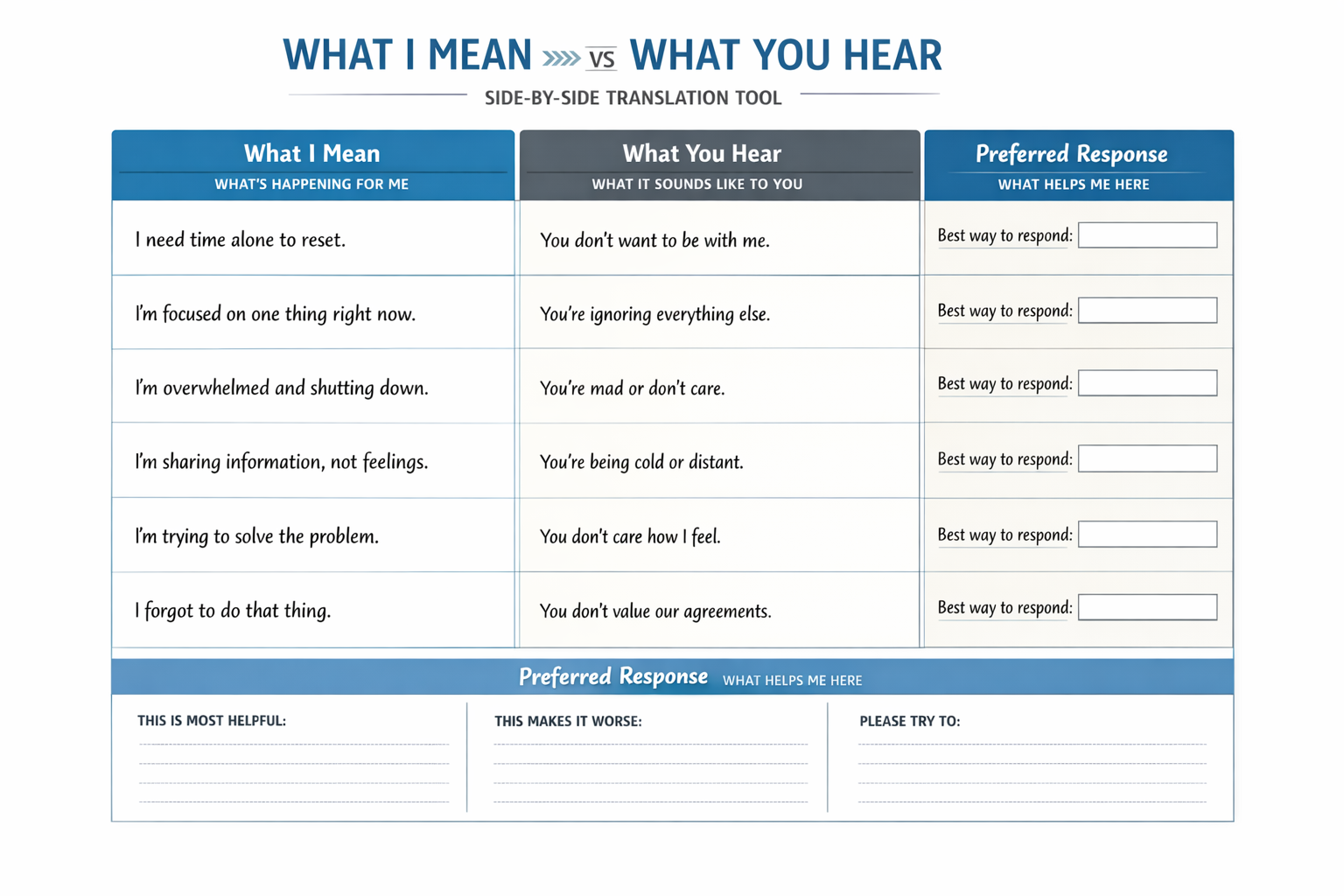
What I Mean vs What You Hear
$0.00

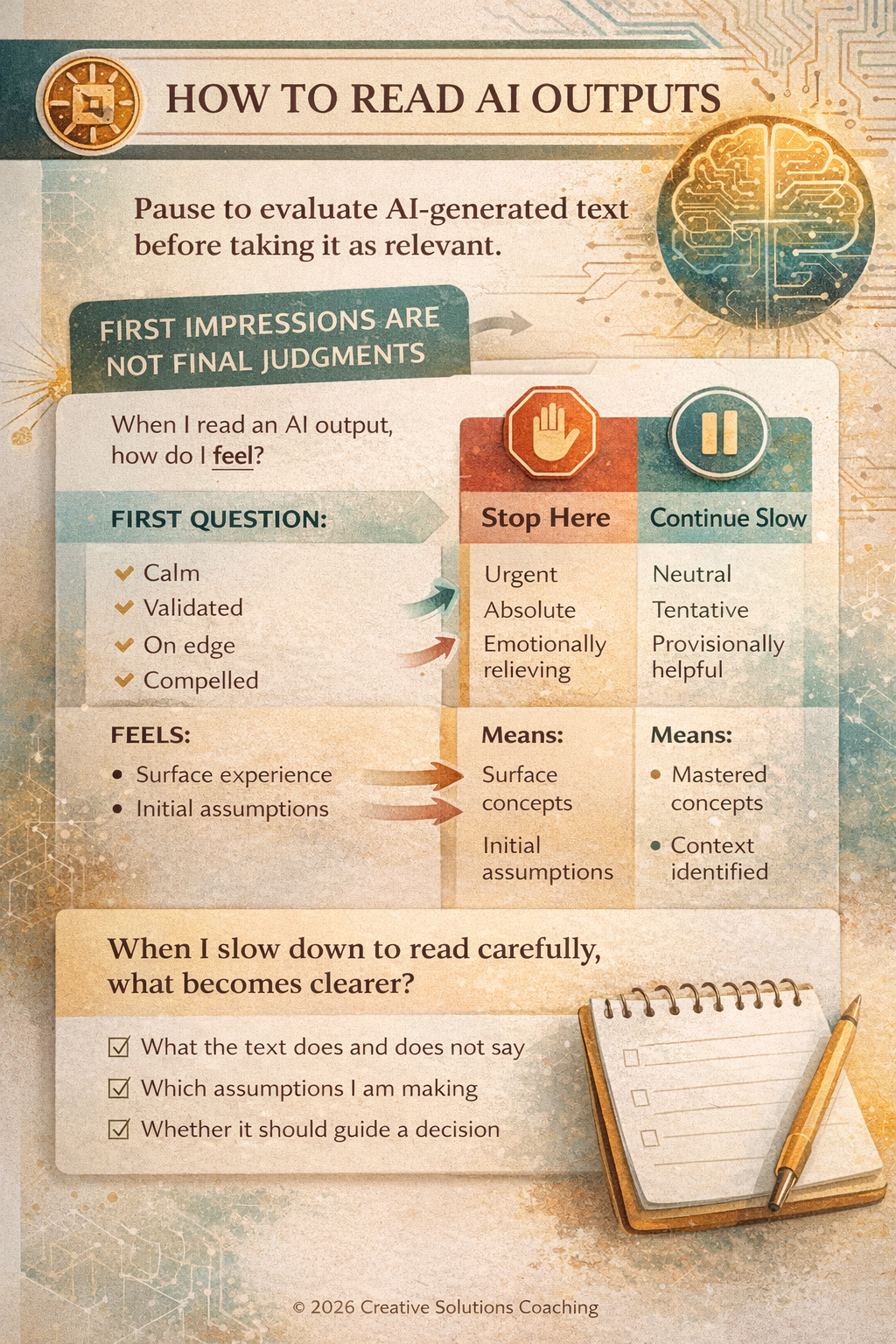
Using AI Without Losing the Human
$9.00
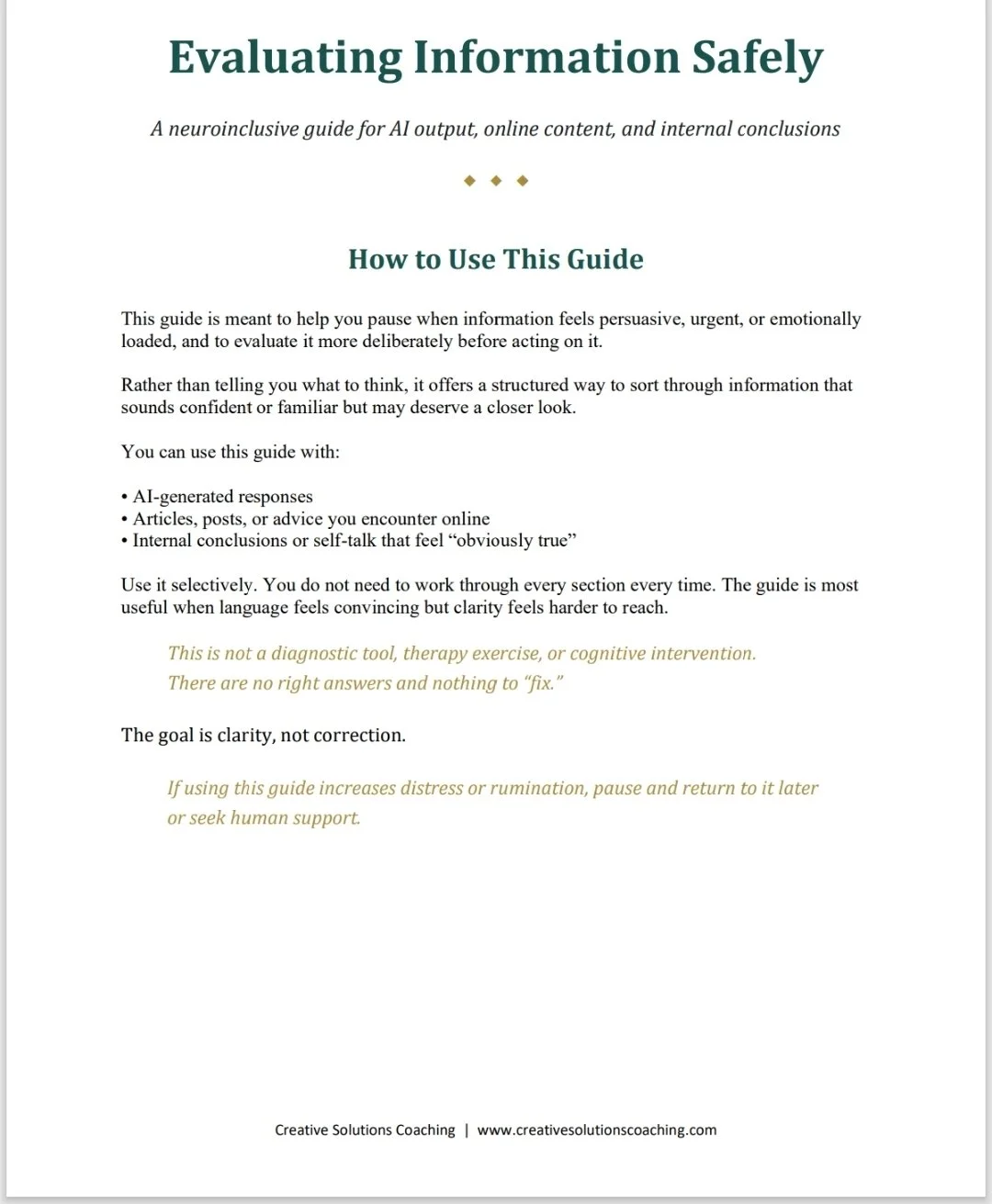
Evaluating Information Safely: A Neuroinclusive Guide for AI Output, Online Content, and Internal Conclusions
$0.00
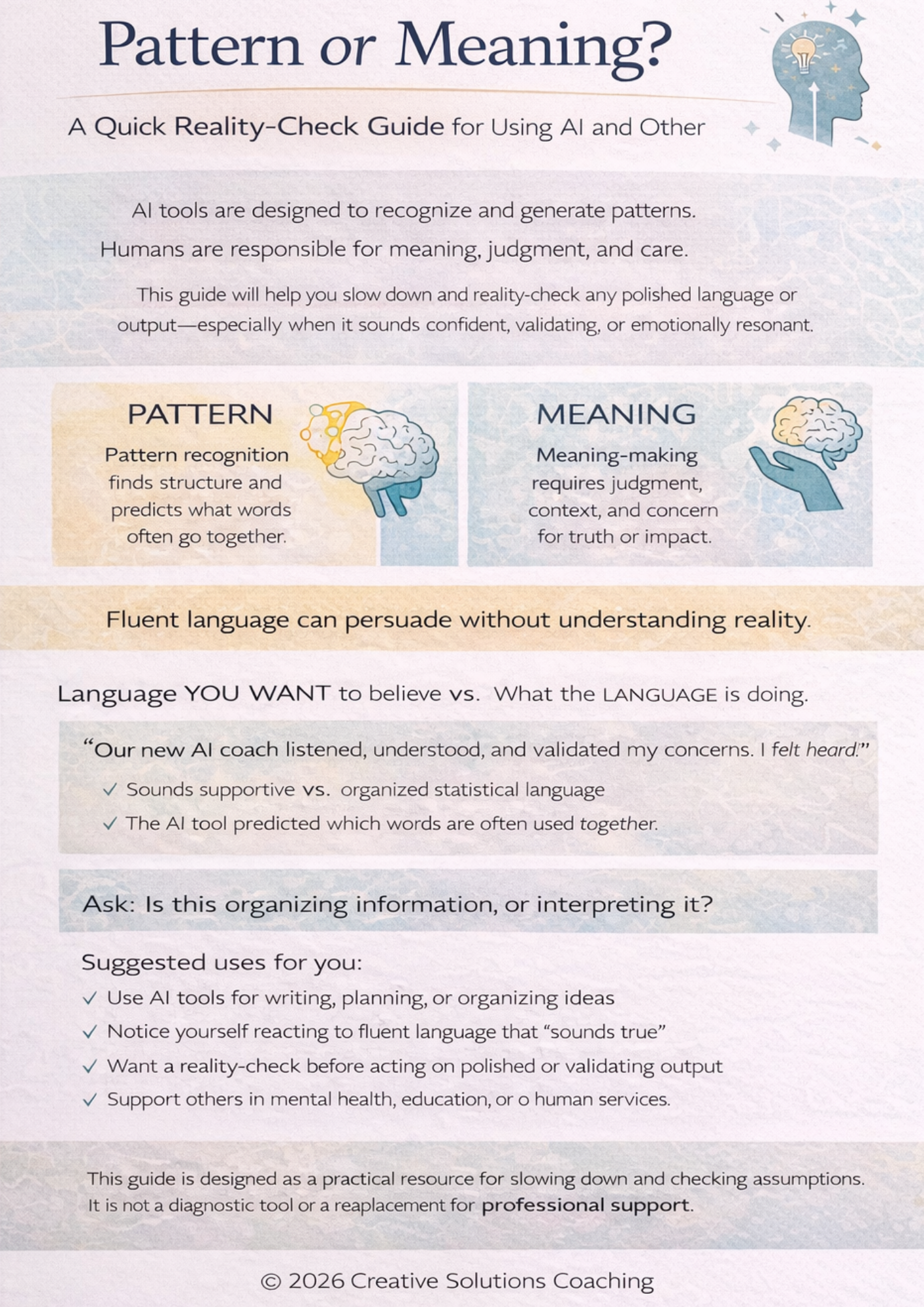
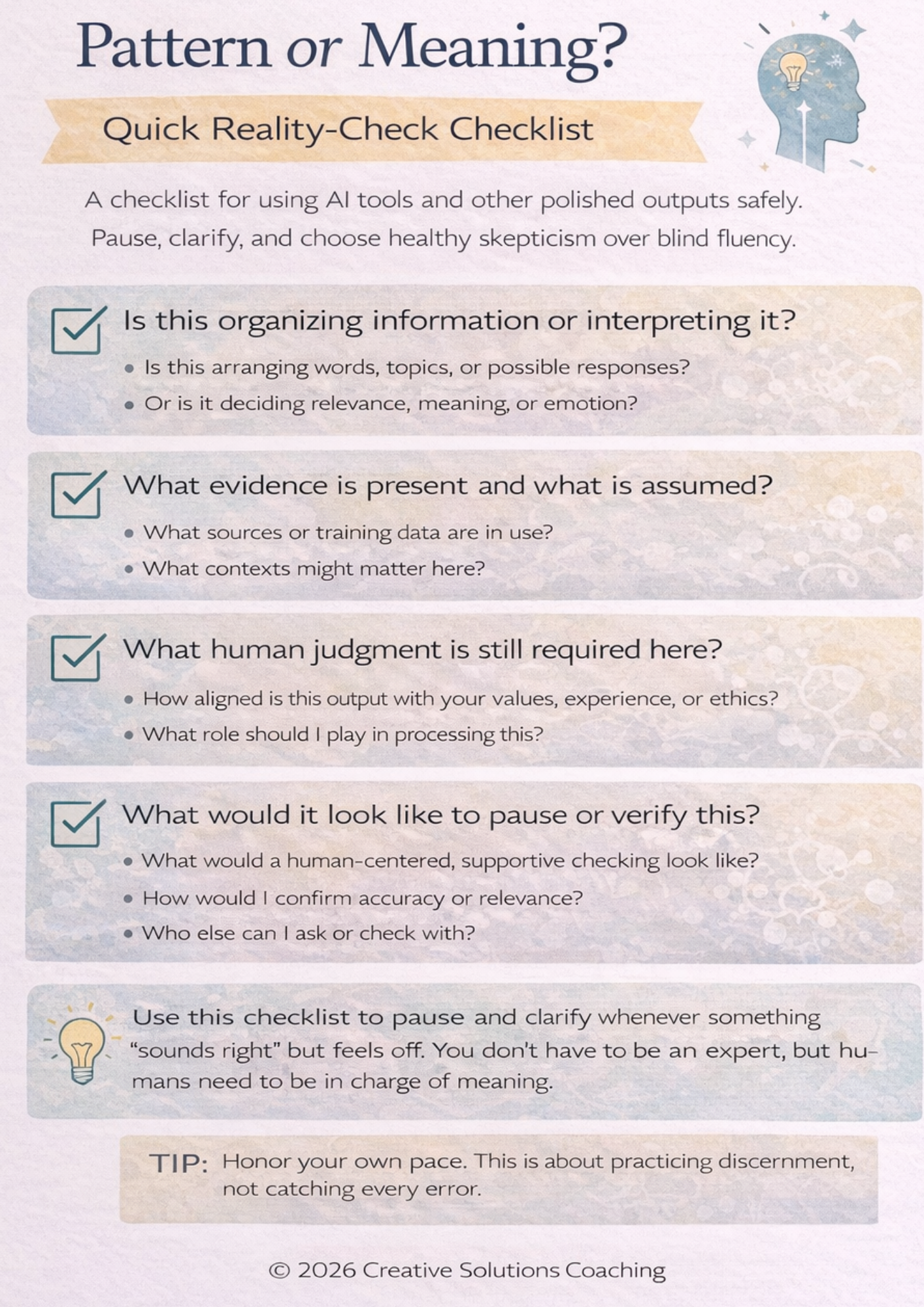
Pattern or Meaning? A Quick Reality-Check Guide for Using AI Without Losing Human Judgment
$0.99

The Self-Compassion Practice Packet: Journals, Trackers & Gentle Prompts for Everyday Growth
$11.00