
Creative Insights
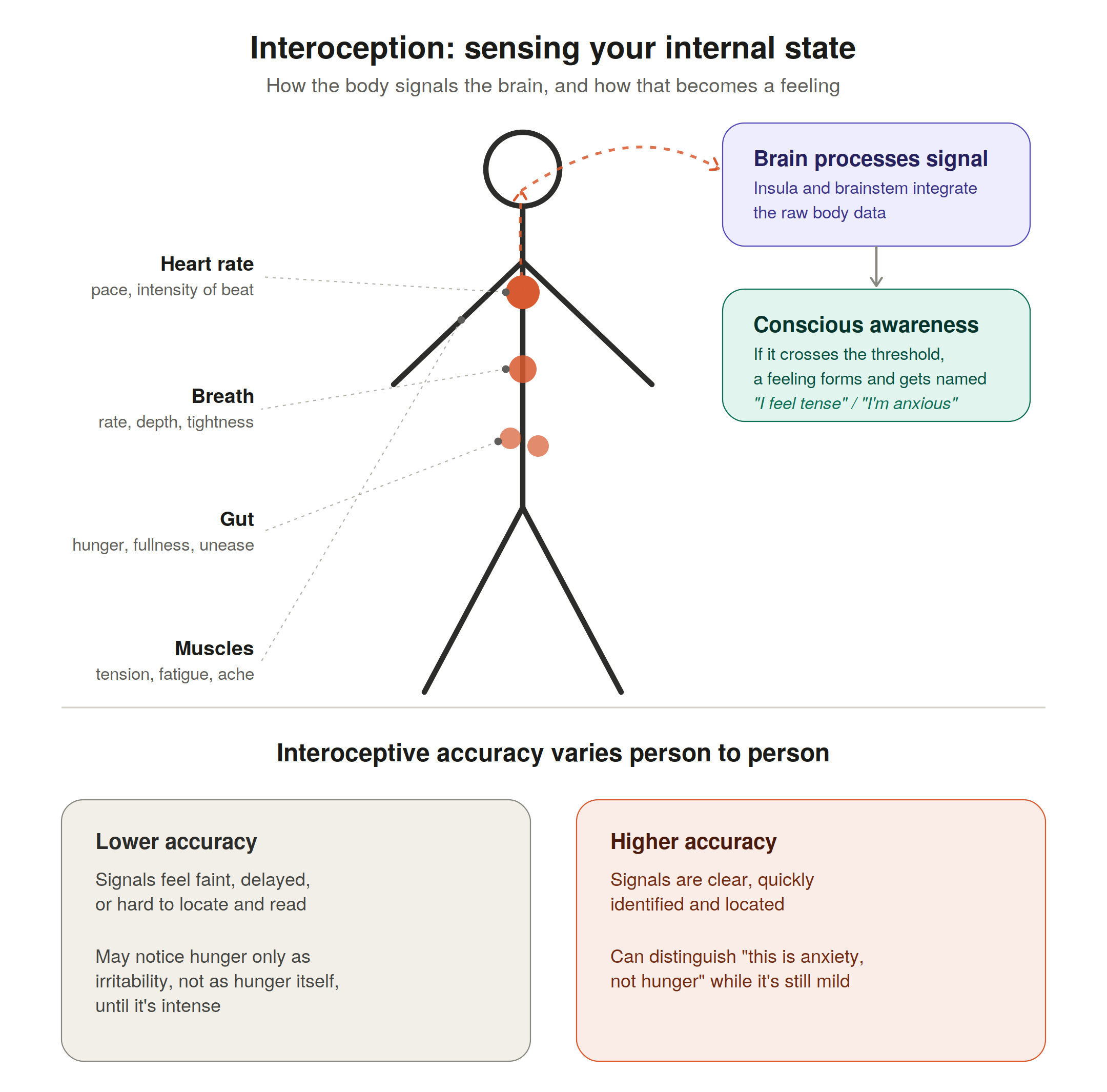
What Is Interoception?
You were taught about five senses in school. Sight, hearing, smell, taste, touch. Maybe you got a bonus lesson on proprioception, which is the sense of where your body is in space, like knowing your arm is raised even when your eyes are closed. And maybe, if you were lucky, someone mentioned vestibular sense, which is balance and movement through space. But interoception? Almost nobody learns about interoception in school. And it might be the most important one.
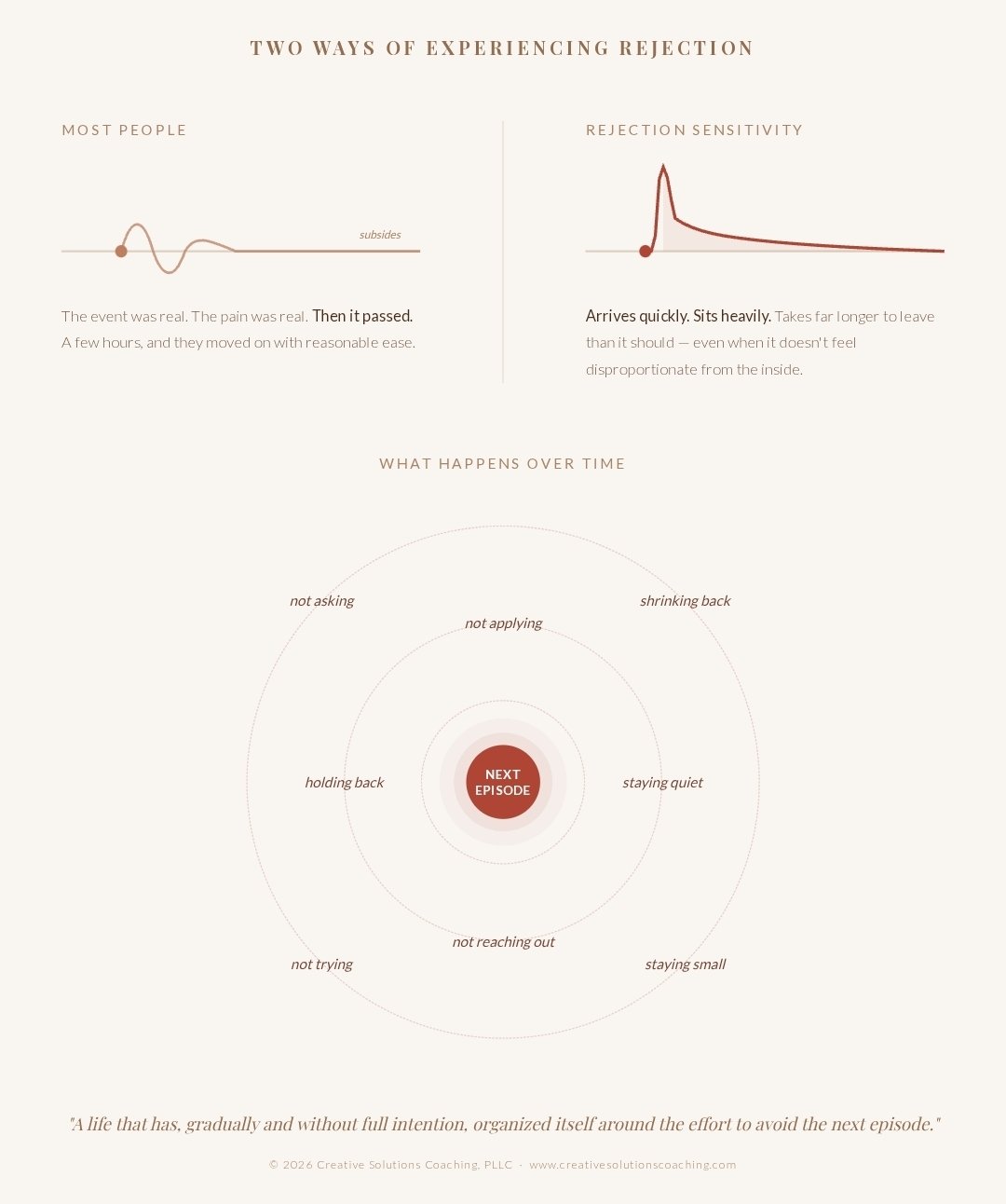
Rejection Sensitivity
The science of rejection sensitivity and why certain nervous systems register social pain with an intensity that can stop the day cold.
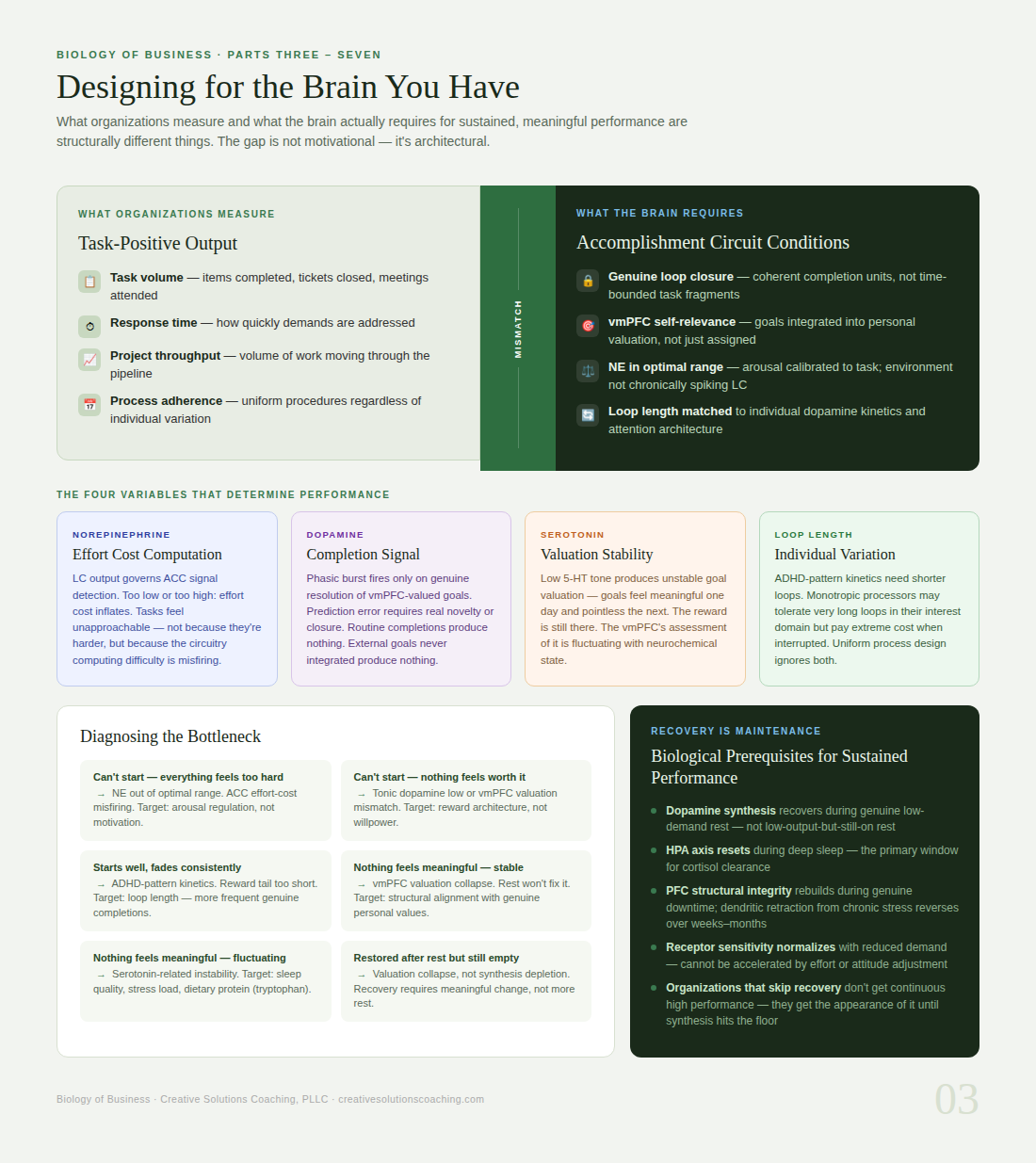
The Neuroscience of Accomplishment vs. Productivity
Why your brain tracks whether something mattered, not how much you did.
Most productivity frameworks get this wrong: the brain does not measure output. It does not tally tasks completed, hours logged, or items checked off a list. What the brain measures is whether something resolved -- whether a loop closed, whether the effort had a point.
That distinction is not semantic. It is neurological. And understanding it changes how you think about performance, motivation, burnout, and the design of work itself.
Two systems that most people treat as one -- productivity and accomplishment -- share some circuitry, but they are not the same thing, they do not produce the same neurochemical response, and optimizing for one can actively undermine the other.
What follows is how these systems work, what drives them, and what happens when the environment is built around the wrong one.
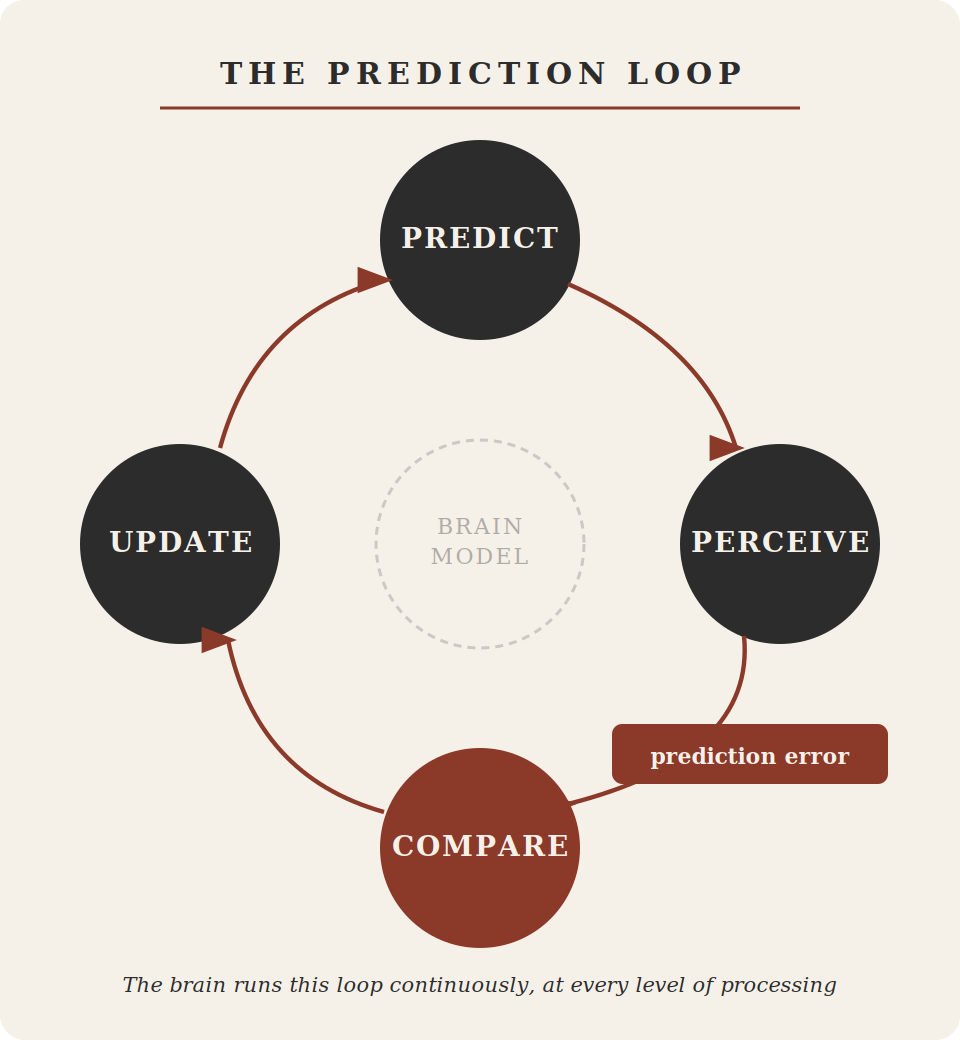
The Prediction Machine
Before a word reaches conscious awareness, before a face resolves into recognition, before a decision presents itself as a choice, the brain has already generated a prediction about what is coming. It does this continuously, automatically, and at every level of processing — from the raw assembly of sensory data into perception, all the way up to the high-level expectations that shape how a leader reads a room or how a team interprets a change in strategy.
Building a Life That Does Not Require Burnout to Function
After burnout, most people spend months or years in recovery. They rest. They reduce demands. They slowly rebuild capacity. And then they face a choice: do they return to the life that caused burnout, hoping they can manage it better this time? Or do they build something different?
Many people choose the first option because it feels easier. The systems were already in place. The routines were established. Going back seems simpler than starting over. But going back recreates the conditions that caused collapse. Within months — sometimes weeks — the cycle restarts.
The way to break this pattern is not managing the old life better. It is building a new life that fits the nervous system you actually have. This is not about lowering expectations or giving up on goals. This is about designing systems that work with your neurology instead of against it.
Workplace Survival for Autistic Adults
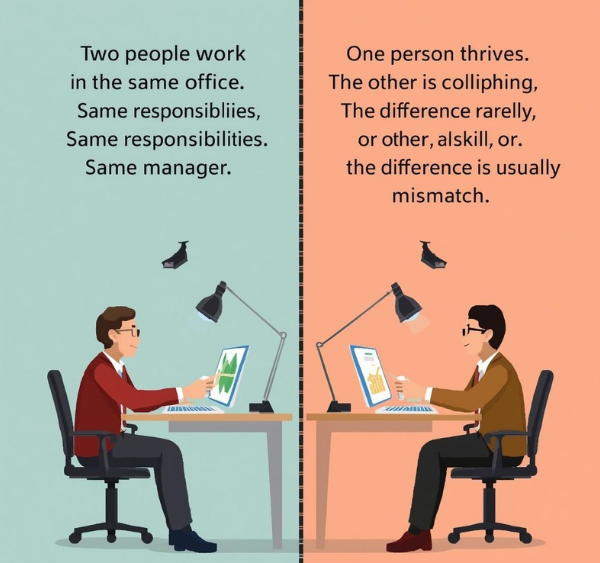
Two people work in the same office. Same role. Same responsibilities. Same manager. One person thrives. The other is collapsing. The difference is rarely effort, skill, or commitment. The difference is usually mismatch.
For autistic adults, workplaces are often designed in ways that create chronic overload. Open office plans. Constant interruptions. Unclear expectations. Rapid task-switching. Social demands layered on top of technical work. Fluorescent lighting. Background noise. Meetings that could have been emails. None of these are inherently problems. They become problems when they exceed what a nervous system can sustainably handle.
For neurotypical employees, these conditions may be annoying but manageable. For autistic employees, they can be the difference between functioning and burnout. This is not about being less capable. This is about environments that do not match neurological needs.
Burnout at work is not personal failure. It is environmental mismatch. When the environment changes, functioning can improve. When it cannot change, leaving is self-preservation — not defeat.
Recovering From Autistic Burnout: Structural Change, Not Just Rest
Recovery from autistic burnout is not about getting back to normal. It is about building a new normal that matches capacity rather than overriding it. This takes time. It takes support. It takes structural change. And it takes releasing the belief that struggling means failing.
First: Reduce & Rest
Lower demands to absolute minimum. This is triage, not failure.
Then: Grieve & Rebuild
Do both pathways simultaneously — environmental and narrative.
Always: Change the Conditions
Returning to what caused burnout recreates it. Structural change is permanent.

The Three Stages: How Burnout Happens and Where to Intervene
The hardest thing about burnout is that it's most treatable before it looks like burnout. Stage One — chronic mismatch — can persist for years while functioning appears intact. Stage Two strips away sleep, sensory tolerance, and executive function one layer at a time. By Stage Three, the nervous system enforces rest whether the person wants it or not. This article maps all three stages, what each one feels like from the inside, and where intervention is still possible.